
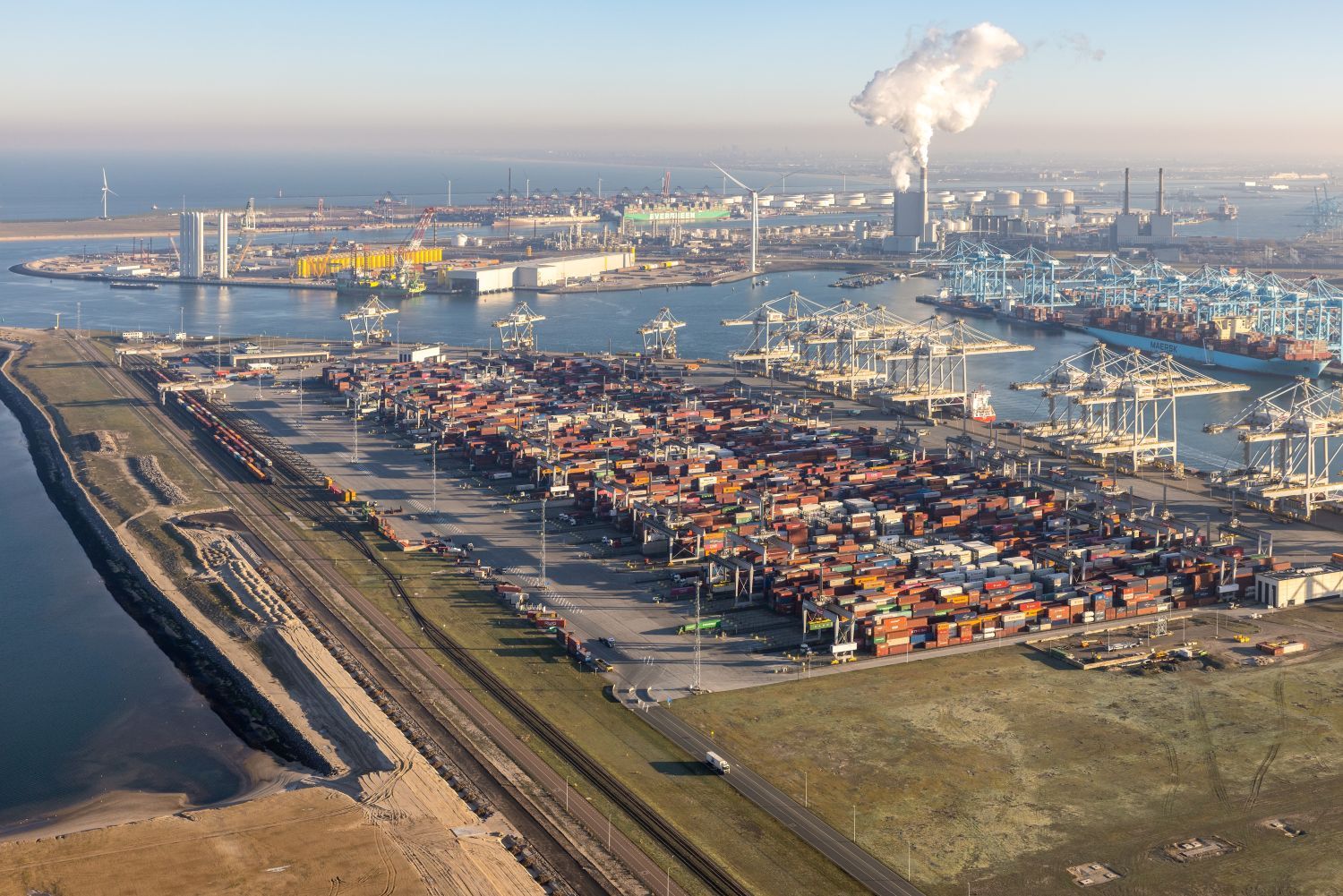
APM's Rotterdam Terminal Resumes Operations After Heat-Related Closure
APM Terminals' facility at the Port of Rotterdam has resumed normal operations following an unprecedented heat-related closure that sent shockwaves through European supply chains. While the restart marks a welcome relief for shippers and logistics operators who had been watching anxiously, the terminal's Chief Operating Officer has cautioned that the battle is far from over. With extreme temperatures forecast to persist over the coming days, landside operations are expected to remain under significant pressure — a reminder that climate-driven disruptions are rapidly becoming a permanent feature of modern port logistics.
What Happened at Rotterdam's APM Terminal?
The Port of Rotterdam is the largest container port in Europe and one of the busiest in the world, handling tens of millions of TEUs annually. Any disruption at its major terminals triggers immediate ripple effects across the global supply chain, affecting freight forwarders, importers, exporters, and carriers alike. The recent heat-related closure at APM Terminals Rotterdam was exactly that kind of event — sudden, operationally complex, and with consequences that extended well beyond its gates.
Extreme heat forced the terminal to suspend operations temporarily, a decision driven primarily by worker safety concerns. High ambient temperatures make outdoor and semi-outdoor port work genuinely dangerous, raising risks of heat exhaustion, heat stroke, and equipment malfunction. Cranes, conveyor systems, and automated stacking equipment all have thermal operating limits that, when exceeded, can lead to costly breakdowns or, more critically, unsafe working conditions for ground staff.
The terminal's COO confirmed the resumption of operations but was measured in his optimism, noting that continued extreme temperatures forecast for the coming days would keep landside operations under pressure. This means that while vessels can once again be loaded and discharged, the movement of cargo by road, rail, and barge to and from the terminal may face ongoing bottlenecks.
The Difference Between Terminal and Landside Operations
To understand why the situation remains challenging even after reopening, it helps to draw a clear distinction between terminal operations and landside operations.
Terminal operations refer to the activities that take place within the port facility itself — the loading and unloading of vessels, the movement of containers within the terminal yard, and the stacking and retrieval of boxes by cranes and automated systems. These activities are largely infrastructure-driven and can often be managed, to a degree, with heat mitigation strategies such as adjusted shift patterns or equipment cooling protocols.
Landside operations, on the other hand, encompass everything that happens at the interface between the port and the wider logistics network. This includes truck gate-in and gate-out processes, barge operations on inland waterways, rail connections, and container depot activities. These operations are far more labor-intensive and dependent on the health and availability of drivers, dockworkers, and logistics personnel — all of whom are directly exposed to outdoor heat conditions.
When temperatures remain extreme, landside throughput slows. Truck drivers may face regulated rest requirements in high-heat conditions. Barge schedules can be disrupted. The cumulative effect is a congestion build-up that persists long after the terminal itself has technically reopened — and that is precisely the scenario Rotterdam is managing right now.
Broader Implications for European Port Logistics
The Rotterdam incident is not an isolated event. Across Europe, port operators and logistics providers are grappling with a new operational reality in which extreme weather — whether heat waves, severe storms, or flooding — is no longer a rare exception but an increasingly regular occurrence. The question for the industry is no longer whether climate will affect operations, but how comprehensively companies are prepared to respond.
- Heat wave protocols: Ports are beginning to formalize procedures for high-temperature events, including adjusted working hours, mandatory hydration stations, cooling shelters, and pre-defined thresholds at which outdoor work is suspended.
- Equipment resilience: Terminal operators are investing in equipment that can function reliably at higher ambient temperatures, and in digital monitoring systems that provide early warning of thermal stress across machinery.
- Cargo prioritization: During periods of reduced capacity, terminals must develop transparent frameworks for prioritizing which cargo moves first — a process that, if mismanaged, can lead to disputes and reputational damage.
- Customer communication: Proactive, real-time communication with shippers and freight forwarders is essential during disruptions, allowing downstream logistics partners to adjust their own operations accordingly.
What Shippers and Freight Forwarders Should Do Now
For businesses with cargo currently at or destined for APM Terminals Rotterdam, the immediate priority is to stay in close contact with their freight forwarders and shipping lines for real-time updates on gate availability and vessel scheduling. Given that landside operations remain under pressure, collection and delivery windows may continue to be compressed or unpredictable.
Shippers with time-sensitive cargo should consider whether alternative routing through nearby ports such as Antwerp-Bruges, Hamburg, or Felixstowe offers a viable short-term solution. However, it is worth noting that heat events of this scale often affect multiple locations simultaneously, meaning alternative ports may face their own capacity constraints.
For longer-term supply chain resilience, this episode reinforces the value of diversified port strategies, flexible carrier contracts, and buffer inventory policies that provide breathing room when infrastructure disruptions occur.
Looking Ahead: Climate Adaptation in Port Operations
The resumption of operations at APM Terminals Rotterdam is good news, but the COO's warning about continued extreme heat signals that the industry must treat this as an ongoing challenge rather than a closed chapter. As global average temperatures continue to rise, European ports — including the world's gateway at Rotterdam — will need to embed climate resilience into their operational DNA. The terminals that do so earliest and most effectively will be the ones that maintain the trust of shippers and sustain their competitive advantage in an increasingly weather-volatile world.