
Biofuels Emerge as a Lifeline for American Farmland Profitability
American agriculture is at a crossroads. Decades of fluctuating commodity prices, rising input costs, and shifting global trade dynamics have placed enormous pressure on farm income. But a new study from S&P Global offers a compelling reason for optimism: expanding biofuel demand could be the single most powerful force capable of reversing a looming decline in farmland values and restoring long-term profitability to U.S. farms.
The report identifies growing biofuel consumption as a "powerful catalyst" for the agricultural sector, arriving at a moment when bumper harvests are pushing grain supplies higher and lawmakers are actively debating how to broaden the market for corn-based ethanol. For farmers, agricultural investors, and rural communities alike, the implications are far-reaching.
Why Farmland Values Are Under Pressure
To understand why biofuels matter so much right now, it helps to examine the forces weighing on farmland. Over the past several years, U.S. crop production has surged thanks to improved seed technologies, better farming practices, and favorable growing seasons. While higher yields sound like good news, they have also contributed to an oversupply of key commodities like corn and soybeans, putting downward pressure on prices.
When crop prices fall, farm revenue drops, and the profitability that has historically underpinned high farmland valuations begins to erode. Farmland in the Corn Belt and other major agricultural regions has long been considered a stable, appreciating asset. But sustained periods of low commodity prices threaten that stability, raising the prospect of significant valuation declines that could ripple through rural economies and the broader financial system.
S&P's analysis frames biofuel expansion not just as an agricultural policy issue, but as a critical mechanism for absorbing excess supply and keeping crop prices at levels that sustain viable farm operations.
The Role of Corn-Based Ethanol
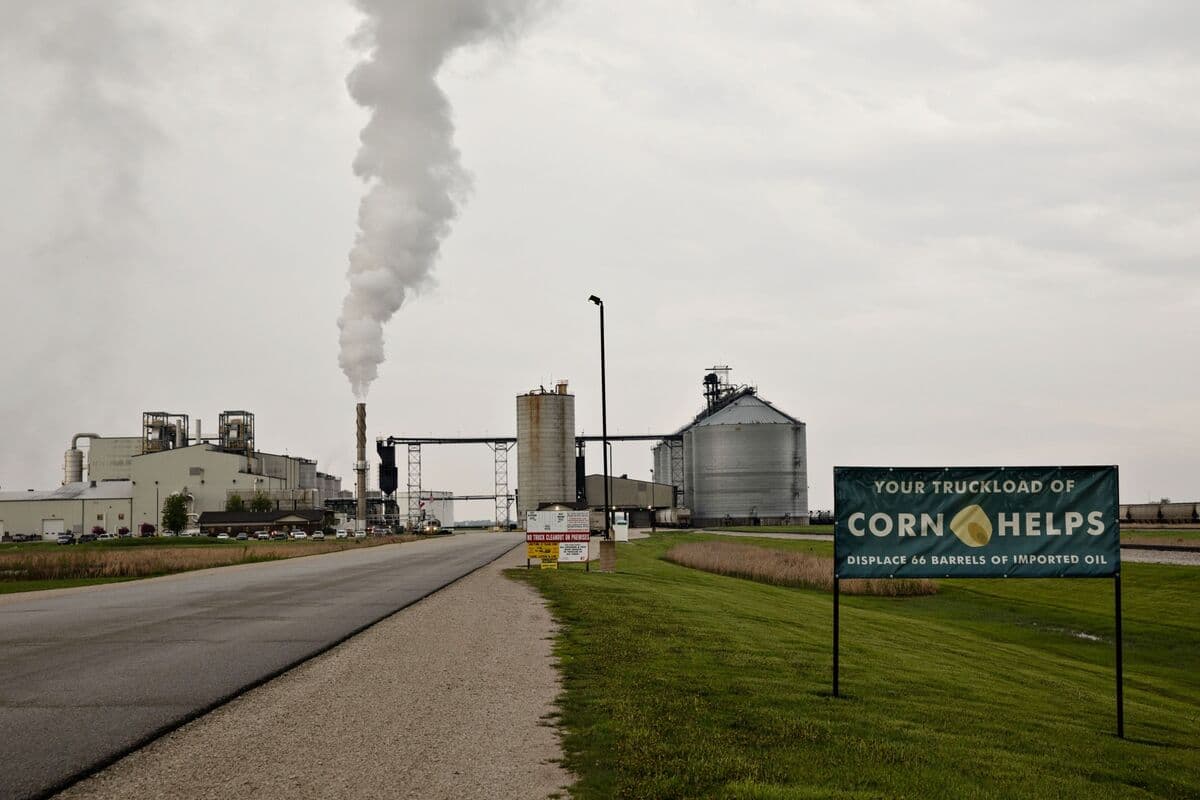
Corn-based ethanol sits at the center of this conversation. The United States is already the world's largest ethanol producer, with the fuel blended into the vast majority of gasoline sold domestically under the Renewable Fuel Standard (RFS). Ethanol production consumes roughly 40 percent of the U.S. corn crop each year, making it an enormous demand driver that directly supports corn prices.
According to the S&P study, broadening the market for corn ethanol — whether through higher blend mandates, expanded export markets, or new end-use applications — could provide the additional demand needed to offset rising corn supplies. Lawmakers are reportedly considering several policy mechanisms to achieve exactly that, including pushing for wider adoption of E15, a fuel blend containing 15 percent ethanol, year-round rather than only during cooler months.
If successful, these efforts could meaningfully tighten corn supply-demand balances, providing a floor for prices and, by extension, supporting the farm income that underlies farmland values.
Beyond Corn: The Broader Biofuel Opportunity
While corn ethanol commands the most immediate attention, the biofuel opportunity extends well beyond a single crop. The rapid growth of sustainable aviation fuel (SAF) and renewable diesel markets is creating new demand channels for a range of agricultural feedstocks, including soybean oil, animal fats, and purpose-grown energy crops.
Soybean oil, in particular, has seen remarkable demand growth as refiners scale up renewable diesel and SAF production capacity. This has provided a meaningful boost to soybean crush margins and, ultimately, to soybean prices — benefiting farmers who grow the crop and landowners who lease their fields for production.
The convergence of policy support, corporate sustainability commitments, and consumer demand for lower-carbon fuels suggests that this broader biofuel expansion is not a short-term phenomenon. It represents a structural shift in how agricultural commodities are used, with implications that could support farm economics for years to come.
Policy Support Is Critical to Realizing the Potential
The S&P findings underline a point that agricultural economists and farm advocates have long emphasized: the biofuel sector's ability to support farmland values is not automatic. It depends heavily on sustained and predictable policy frameworks that guarantee demand for biofuel feedstocks.
The Renewable Fuel Standard has been the cornerstone of U.S. biofuel policy for nearly two decades, but it has also been a source of uncertainty, with annual volume obligations subject to political negotiation and waiver requests from oil refiners. Strengthening and expanding the RFS — or complementing it with new incentives tied to the Inflation Reduction Act's clean energy tax credits — would give agricultural producers and investors the confidence they need to make long-term decisions.
Lawmakers who represent farm states have strong political incentives to push for biofuel-friendly policies, and the S&P report adds an important economic dimension to that advocacy: the stakes extend well beyond individual farm income to the broader question of whether farmland can continue to function as the reliable asset class it has historically been.
What This Means for Farmers and Agricultural Investors
For farmers navigating an uncertain commodity price environment, the expansion of biofuel demand offers a tangible reason for optimism. Greater ethanol blending mandates and growing SAF markets mean more outlets for the crops they grow, which translates into more stable and potentially higher prices at the farm gate.
For investors in farmland — a market that has attracted significant institutional capital in recent years — the S&P analysis provides important context. Farmland valuations are not insulated from commodity economics, and policies that sustain crop demand are directly relevant to the long-term performance of agricultural assets. Biofuel expansion, in this light, is not merely an environmental or energy story; it is a fundamental part of the agricultural investment thesis.
Looking Ahead
The message from S&P Global is clear: without strong and growing biofuel demand, American agriculture faces the real prospect of a sharp decline in farmland values as surging harvests weigh on crop prices. But with the right policy environment and continued expansion of biofuel markets, the sector has a credible path to restored profitability and sustained asset values.
As lawmakers weigh their options and the energy transition accelerates, the case for positioning biofuels as a cornerstone of U.S. agricultural and energy policy has rarely been stronger. For farmers, rural communities, and investors alike, the outcome of these policy debates will shape the financial landscape of American agriculture for a generation.