
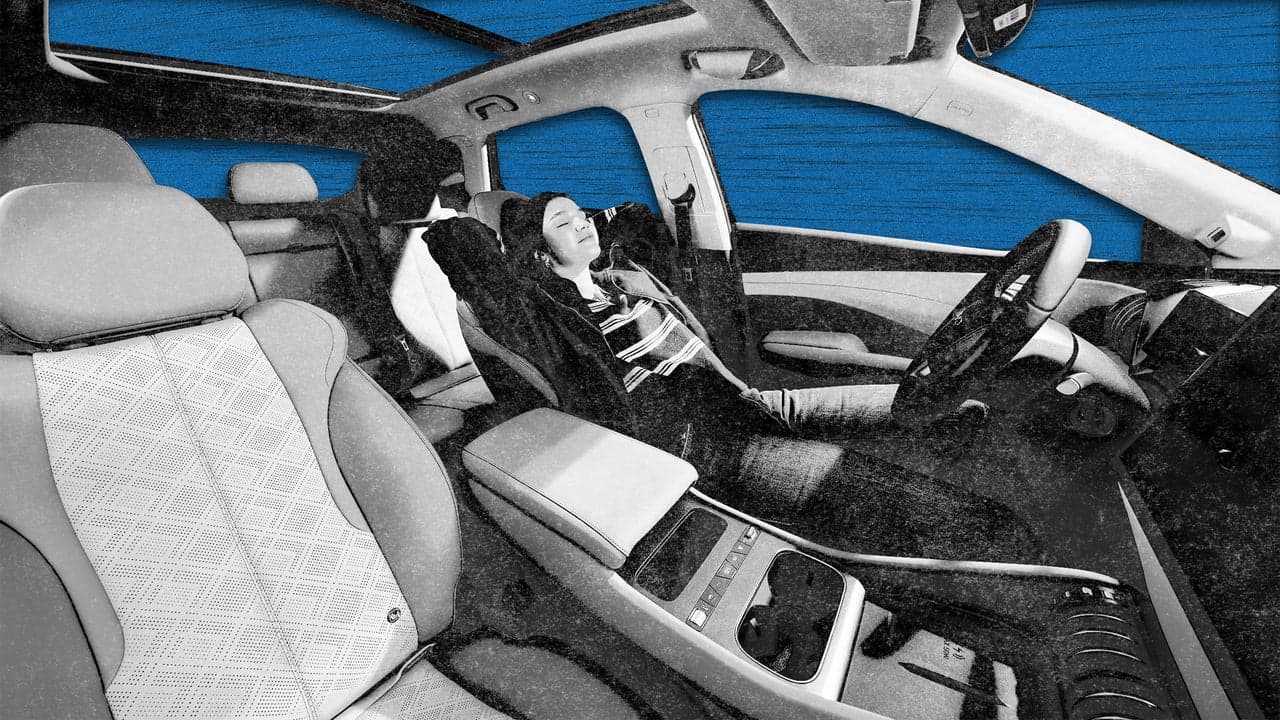
BYD Makes History With a Bold Promise No Automaker Has Ever Made
In a move that has sent shockwaves through the global automotive industry, BYD — the Chinese electric vehicle giant — has officially pledged to cover every single expense resulting from an accident caused by its autonomous driving technology. We are talking about repair bills, property damage, medical costs, and everything in between. No dollar cap. No buried fine print. No pointing the finger at the driver. Just a full commitment to financial responsibility when the machine is at fault.
This is not a marketing gimmick or a carefully worded press release designed to sound generous without delivering anything of substance. BYD is putting real money on the line, backing its God's Eye autonomous driving system with a damage guarantee that the automotive world has never seen before. For anyone who has ever worried about what happens when a self-driving car gets it wrong, this announcement deserves serious attention.
What Exactly Is BYD's God's Eye System?
Before unpacking the implications of this pledge, it helps to understand what God's Eye actually is. God's Eye is BYD's advanced driver assistance and autonomous driving platform, designed to handle complex real-world driving scenarios with minimal human input. The system covers a wide range of capabilities, including intelligent parking, urban navigation on autopilot (often referred to as Urban NOA), and highway driving assistance.
BYD has invested heavily in developing this technology as part of its broader strategy to compete not just on battery range or vehicle price, but on the intelligence and safety of its vehicles. God's Eye is positioned as the Chinese EV maker's answer to systems like Tesla's Full Self-Driving, and the company clearly believes in it enough to back it with an unprecedented financial guarantee.
How the Damage Coverage Program Actually Works
The mechanics of BYD's coverage program are straightforward. When an accident occurs while God's Eye is active, the vehicle's system logs are reviewed to determine whether the autonomous system was in control and responsible for the incident. If the data confirms that the system caused the accident, BYD will cover the full cost of all resulting damages — no upper limit on the payout, no excess fees, and no requirement for the driver to file an insurance claim that could raise their premiums for years to come.
This log-based verification process is key. Modern vehicles equipped with advanced driver assistance systems generate enormous volumes of data at every moment. Sensors, cameras, and onboard computers continuously record speed, steering inputs, system status, and environmental conditions. This data trail makes it relatively straightforward to establish whether a human or a machine was responsible for a given collision. BYD is essentially using its own technology as the proof of its accountability.
Currently, the program runs for one year and is available only to customers in China. Those are real limitations worth acknowledging. But even within those boundaries, the symbolism and the practical impact of the pledge are enormous.
Why This Is a Landmark Moment for the Autonomous Driving Industry
The autonomous driving industry has long struggled with a fundamental question: who is liable when a self-driving car causes harm? Traditional auto insurance was built around the assumption of a human driver. Regulators, courts, and insurers have spent years trying to adapt their frameworks to a world where software increasingly makes the decisions. In the meantime, automakers have been very careful to avoid saying anything that sounds like an admission that their technology can make mistakes.
BYD just stepped cleanly over all of that complexity. By promising full coverage without conditions, the company is effectively saying: our system is responsible for its own actions, and we stand behind it. That is a level of corporate accountability that is almost unheard of in an industry that typically offloads risk onto drivers, insurers, and regulators as quickly as possible.
For consumers, the implications are significant. One of the biggest psychological barriers to trusting autonomous driving technology is the fear of being left alone to deal with the consequences when something goes wrong. BYD's pledge directly addresses that fear. If you are driving a BYD vehicle with God's Eye engaged, you are not alone. The company has your back, financially and legally.
What This Means for Competitors Like Tesla and Waymo
BYD's announcement puts pressure on every other company working on autonomous driving technology. Tesla, Waymo, GM's Cruise, and a host of other players are all developing self-driving systems, yet none of them have made a comparable promise to their customers. Tesla, in particular, has faced significant scrutiny over accidents involving its Full Self-Driving software, and the company has consistently placed responsibility on drivers to remain attentive at all times.
Whether competitors will follow BYD's lead remains to be seen. The legal and financial risks of making such a promise in markets with complex liability frameworks — like the United States or the European Union — are substantially higher than in China. Regulatory environments, litigation cultures, and insurance systems all vary dramatically across regions. Still, BYD has raised the bar, and the industry will have to respond.
The Bigger Picture: Trust Is the Final Frontier of Autonomous Driving
Technology has never been the only obstacle standing between today's driver assistance features and tomorrow's fully autonomous vehicles. Trust is equally critical. Consumers need to believe that autonomous systems are reliable, and they need to know that someone with real resources will be accountable when things go wrong. Regulation helps build that trust. Transparency helps. And financial accountability — real, unconditional, no-excuses financial accountability — helps most of all.
BYD's God's Eye damage coverage pledge will not solve every challenge facing autonomous driving. The program is limited in duration and geography for now. But it represents a meaningful shift in how automakers think about their relationship with the technology they deploy and the customers who depend on it. In an industry that often talks boldly about the future while quietly hedging its bets, BYD just put its money where its mouth is — and that matters.