
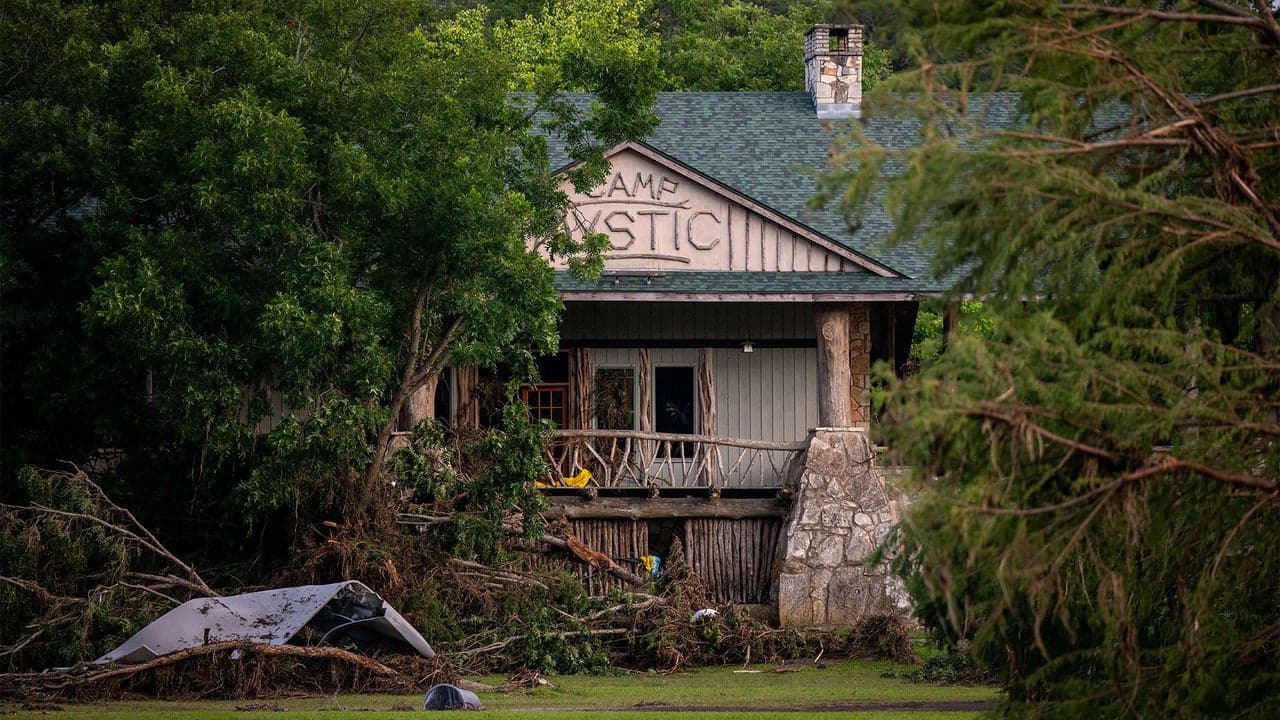
Camp Mystic Files for Bankruptcy Following Catastrophic Texas Flood That Killed 28
In one of the deadliest summer camp tragedies in American history, Camp Mystic — an all-girls Christian summer camp nestled along the Guadalupe River in Texas — became the center of a catastrophic flood disaster on July 4, 2025. Twenty-eight people lost their lives when floodwaters rose with terrifying speed, and now, nearly a year later, the camp's operators have filed for Chapter 11 bankruptcy protection. The filing marks the end of an agonizing chapter for a community still deep in grief, and raises urgent questions about safety standards, legal accountability, and the future of outdoor youth programs across the country.
What Happened at Camp Mystic on July 4, 2025?
The tragedy unfolded with shocking speed. On the morning of July 4, 2025, the Guadalupe River — which runs near the Camp Mystic property in the Texas Hill Country — rose to a staggering height of 37 feet in under an hour. The sudden surge left little time for evacuation or emergency response, and 28 people were swept away in the raging current before rescuers could reach them.
Among those who perished were 25 young campers, two teenage counselors, and the camp's own co-executive director. The loss rippled far beyond the campground itself, sending shockwaves through families, communities, and the broader network of summer camps that serve thousands of children across Texas and the rest of the United States every year.
The Guadalupe River, while known for its beauty and recreational appeal, has a documented history of flash flooding — a factor that would later become central to legal proceedings against the camp's operators. Investigators and families alike questioned whether adequate flood monitoring systems, emergency protocols, and evacuation plans had been in place before and during the disaster.
The Bankruptcy Filing: What the Numbers Reveal
Nearly a year after the flood, Camp Mystic's operators made the significant legal step of filing for Chapter 11 bankruptcy protection. The court documents paint a stark financial picture. According to the filing, the camp's total debts are estimated to be between $10 million and $50 million, while its assets are valued at only between $1 million and $10 million — a gap that underscores just how financially untenable the camp's position had become.
Chapter 11 bankruptcy allows an organization to restructure its debts rather than liquidate entirely, meaning Camp Mystic's owners are seeking a path that might allow them to manage their obligations over time. However, given the weight of ongoing lawsuits, public scrutiny, and a failed attempt to reopen the camp, the road ahead remains deeply uncertain.
Families Sue Camp Mystic for Over $1 Million in Damages
The bankruptcy filing does not exist in isolation. In November 2025, families of the flood victims filed a civil lawsuit against Camp Mystic, seeking more than $1 million in damages. The lawsuit alleges that the camp's leadership failed to take necessary precautions to protect campers and staff as the flood threat became apparent.
Key allegations in the lawsuit include:
- A failure to monitor river levels and weather warnings in real time before and during the flooding event.
- An absence of adequate emergency evacuation procedures tailored to flash flood risks specific to the camp's riverside location.
- Insufficient training for counselors and staff on how to respond to rapidly developing natural disasters.
- A general disregard for the documented flood history of the Guadalupe River corridor in which the camp operates.
These allegations, if proven in court, could have lasting implications not only for Camp Mystic but for the broader summer camp industry, prompting regulators and camp operators nationwide to reassess their own safety frameworks.
The Failed Attempt to Reopen and the State Investigation
In the months following the disaster, Camp Mystic's owners initially signaled their intention to reopen for the summer of 2026. As recently as April, the camp was actively pursuing an operating permit. But the effort collapsed following a deeply emotional legislative hearing in Texas, during which parents of children killed in the flood spoke publicly about their loss and their opposition to the camp resuming operations.
The testimony proved decisive. Shortly after the hearing, Camp Mystic issued a formal statement announcing that it had withdrawn its application to operate for the upcoming summer season. The statement acknowledged the immensity of the tragedy, noting that "twenty-eight precious lives were lost." The decision to abandon reopening plans, combined with an ongoing state investigation into the circumstances of the flood, created a climate in which continued operation was no longer a realistic option.
Broader Implications for Summer Camp Safety in Texas and Beyond
The Camp Mystic disaster has forced a long-overdue national conversation about safety standards at residential summer camps, particularly those situated near bodies of water with flood potential. Parents, legislators, and child safety advocates are now calling for stronger regulations that would require camps to maintain real-time weather and river monitoring systems, conduct regular emergency drills, and develop and share detailed evacuation plans with families before the season begins.
Texas lawmakers have reportedly begun examining existing oversight frameworks for summer camps, many of which critics argue have been insufficiently rigorous given the state's well-documented vulnerability to flash floods. The Hill Country region in particular, where Camp Mystic is located, is considered one of the most flood-prone landscapes in the entire United States.
What Comes Next for Camp Mystic and the Victims' Families
The Chapter 11 bankruptcy process will likely take months or even years to resolve, with creditors, litigants, and the court working through the camp's complex financial obligations. For the families of the 28 people who died on July 4, 2025, the legal proceedings represent one of the few remaining avenues for accountability and, potentially, some measure of closure.
The story of Camp Mystic is a sobering reminder of the responsibility that institutions bear when they take charge of children's lives — and of the devastating consequences when safety is treated as secondary to tradition or operational continuity. As courts, investigators, and lawmakers work through the aftermath, the hope is that the lessons learned from this tragedy will translate into real, lasting protections for the young people who attend summer camps each year.