
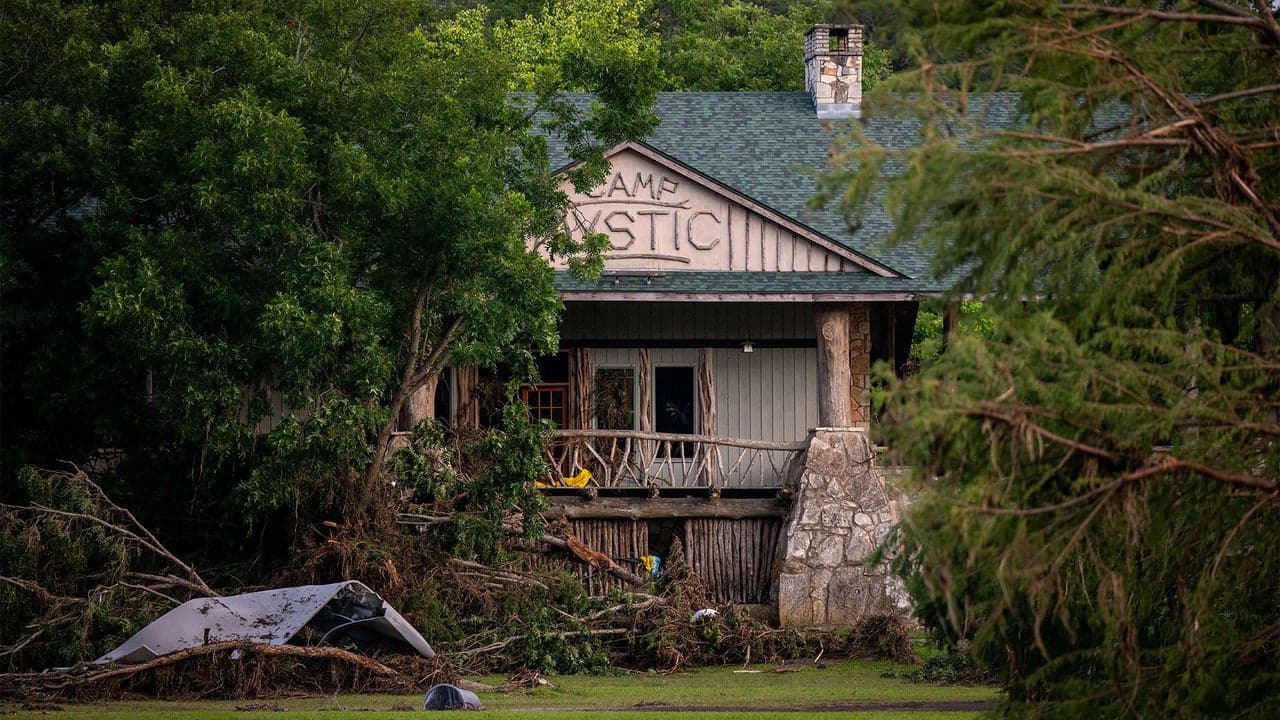
Camp Mystic Files for Bankruptcy Following Catastrophic Texas Flood
On July 4, 2025, a tragedy unfolded in the Texas Hill Country that would shake the nation and permanently alter the future of one of the state's most storied summer camps. Twenty-eight people — 25 campers, two teenage counselors, and the camp's own co-executive director — lost their lives when the Guadalupe River surged to a staggering height of 37 feet in the span of just one hour, engulfing Camp Mystic in a catastrophic flood. Now, nearly a year later, the all-girls Christian summer camp has filed for Chapter 11 bankruptcy protection, marking a grim and likely final chapter for an institution that once represented joy, faith, and sisterhood for thousands of Texas families.
What Happened on July 4, 2025?
Camp Mystic, located along the banks of the Guadalupe River in the Texas Hill Country, had been operating for decades as a beloved destination for young girls seeking a summer of faith, friendship, and outdoor adventure. But Independence Day 2025 brought devastation instead of celebration. An extreme rainfall event caused the Guadalupe River to rise with terrifying speed, and campers, counselors, and staff found themselves trapped in a raging current with little to no warning.
The final death toll of 28 lives — including children, teenagers who had taken on leadership roles as counselors, and a senior camp administrator — made it one of the deadliest flash flood disasters in recent Texas history. Families across the state and beyond were left mourning, and questions about safety protocols, warning systems, and emergency preparedness began to surface almost immediately.
The Bankruptcy Filing: What the Numbers Reveal
In their Chapter 11 court filing, Camp Mystic's operators disclosed a deeply troubling financial picture. The camp's total debts were listed at between $10 million and $50 million, while its total assets were estimated at only $1 million to $10 million. That significant gap between what the camp owes and what it actually holds underscores the financial impossibility facing its owners as they attempt to navigate the aftermath of the disaster.
Chapter 11 bankruptcy allows a business to reorganize its debts and attempt to develop a repayment plan under court supervision, rather than simply liquidating all assets. However, given the scale of the liabilities — especially in the context of active civil litigation — the road ahead for Camp Mystic's legal and financial future remains deeply uncertain.
Lawsuits and Legal Accountability
The bankruptcy filing did not occur in a vacuum. In November 2025, families of the flood victims filed a civil lawsuit against Camp Mystic, seeking more than $1 million in damages. The lawsuit alleges that camp operators failed to take necessary precautions to protect campers and counselors as the flood approached, raising serious questions about what the camp knew, when it knew it, and what actions — if any — were taken to evacuate or shelter those in its care.
These allegations strike at the heart of the duty of care that summer camps owe to the children and young adults entrusted to them. Parents send their children to summer camps with an expectation of supervision, safety planning, and emergency preparedness. If the claims in the lawsuit are proven accurate, they suggest a catastrophic failure on multiple levels — one that cost dozens of people their lives.
A state investigation also followed in the wake of the disaster, adding a layer of governmental scrutiny to the already mounting legal pressure on the camp's leadership.
"Precious Lives Were Lost": The Decision to Abandon Reopening
For months after the July 4 flood, Camp Mystic's owners publicly maintained their intention to reopen the camp for the summer of 2026. As recently as April, plans to resume operations were still reportedly on the table. But an emotional legislative hearing — one in which parents of the children who perished delivered gut-wrenching testimony — appeared to be the turning point.
Shortly after that hearing, Camp Mystic issued a formal statement announcing it had withdrawn its application to operate this summer. The statement acknowledged the weight of what had occurred: "Twenty-eight precious lives were lost," the camp said, signaling that those words of grief were among the last public communications tied to a camp that will almost certainly never reopen its gates.
The decision to withdraw the application, followed swiftly by the bankruptcy filing, signals that the camp's leadership has accepted what many observers had long suspected: Camp Mystic, as it once existed, is finished.
A Community Left Grieving — and Demanding Answers
Beyond the courtrooms and financial filings, the human cost of the Camp Mystic flood continues to reverberate. For the families who lost daughters, sisters, and young friends on that Independence Day, no bankruptcy proceeding or legal settlement will ever fully restore what was taken from them. The grief is communal, deep, and ongoing.
Child psychologists and grief counselors have noted the particular difficulty of processing collective trauma of this nature — especially when the victims were children attending what should have been a safe, nurturing environment. Communities throughout Texas have been grappling with that grief for nearly a year, and the bankruptcy filing only reopens wounds that have barely begun to heal.
What Comes Next for Camp Mystic?
With Chapter 11 proceedings underway, a bankruptcy court will now oversee how Camp Mystic's remaining assets are managed and how its debts — including any eventual civil judgments — are addressed. The families who filed suit will likely become creditors in the bankruptcy process, potentially competing with other claimants for whatever resources the camp still holds.
- The bankruptcy filing lists debts of between $10 million and $50 million against assets of only $1 million to $10 million, suggesting creditors may recover only a fraction of what they are owed.
- Civil litigation filed by victims' families will continue to work through the courts, though the bankruptcy filing may temporarily pause or complicate some aspects of those proceedings.
- State regulators and legislators are expected to continue examining what safety standards should be required of summer camps operating near flood-prone waterways in Texas.
- Broader conversations about flash flood warning systems, camp emergency protocols, and regulatory oversight of youth programs in Texas are likely to persist for years to come.
The story of Camp Mystic is ultimately not a story about bankruptcy filings or legal maneuvers — it is a story about 28 lives cut short on a holiday morning, and about the families, communities, and a state still searching for accountability, meaning, and a path toward ensuring that no other summer camp ever faces a tragedy of this magnitude again.