
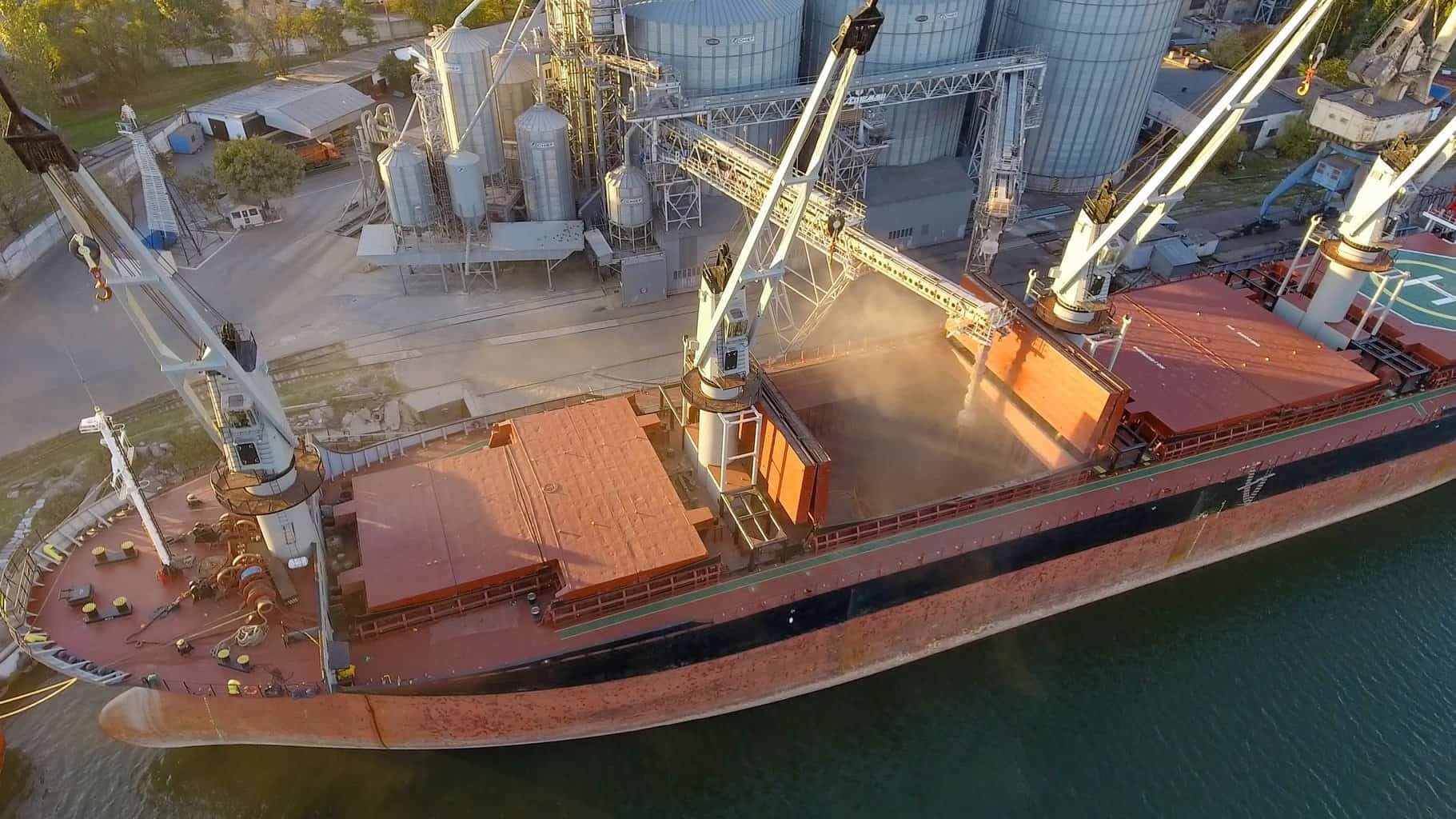
Chinese Ship Port Taxes Could Devastate U.S. Agricultural Exporters, Industry Warns
A renewed political push to reinstate port fees on Chinese cargo vessels docking at American ports is raising serious alarm bells across the U.S. agricultural sector. Industry groups representing grain, soybean, and other commodity shippers say the proposed charges could dramatically increase export costs — and potentially push some crop producers entirely out of business. As debate intensifies in Washington, farmers and exporters are watching closely, fearing that a policy designed to protect American shipbuilding could end up crippling one of the country's most critical export industries.
What Are the Proposed Port Fees on Chinese Ships?
The port fees at the center of this controversy were originally developed during the Biden administration following an investigation by the United States Trade Representative (USTR). That investigation concluded that China had used unfair competitive advantages — including centralized government control and massive state subsidies — to build a dominant and outsized position in the global maritime shipping sector.
In response, the USTR proposed a series of remedies, including the imposition of fees on Chinese-built or Chinese-operated cargo vessels calling at U.S. ports. The intent was to level the playing field and incentivize a revival of U.S.-flag shipping and domestic shipbuilding capacity, industries that have declined significantly over decades.
President Donald Trump's administration embraced the proposal and initially implemented the charges earlier this year. However, following swift and vigorous opposition from virtually every corner of the U.S. international trade community — and after China responded with reciprocal fees targeting U.S. shipping lines — the White House suspended the fees until November 2026. Before the full suspension, the administration had also moved to exempt empty vessels arriving at U.S. ports to load farm and other bulk commodity shipments, a partial concession responding to loud protests from agricultural exporters.
Why Are Democrats Pushing to Reinstate the Fees Now?
Despite the suspension and the widespread opposition it reflected, Democratic Senators Mark Kelly of Arizona and Elizabeth Warren of Massachusetts are now pressing the Trump administration to reinstate the port fees on Chinese cargo vessels. Their argument centers on the original intent of the policy: using economic pressure to counter China's state-subsidized dominance of global maritime shipping and to stimulate investment in American shipbuilding.
Both senators have separately authored competing legislative plans aimed at revitalizing the U.S. maritime industry, and they view the port fees as a critical mechanism for achieving that goal. From their perspective, suspending the fees undermines the broader strategic objective of reducing American dependence on Chinese-controlled shipping infrastructure.
Agriculture Transportation Coalition Pushes Back Hard
The Agriculture Transportation Coalition (AgTC), a trade group that represents U.S. shippers of grain, soybeans, cotton, and other agricultural commodities, has come out forcefully against reinstating the fees. In a statement issued this week, the coalition described the USTR's original proposals as "ill-conceived" and warned that bringing them back would have catastrophic consequences for American farm exporters.
"Two Senators are now pressing to reinstate USTR's ill-conceived proposed remedies to resuscitate the U.S. shipbuilding — by dramatically increasing shipping costs for U.S. exporters and importers," the AgTC stated. "Agriculture exporters are particularly vulnerable."
The coalition pointed out that the fees were suspended in the first place precisely because of the "vigorous outpouring of opposition by all U.S. international trade interests," and warned that reinstating them under renewed political pressure ignores the very real economic damage they would cause.
Two Key Threats to American Agriculture
The AgTC outlined two primary ways in which the proposed port fees pose an existential threat to large segments of the U.S. agricultural export industry.
- Denial of export viability: The coalition argues that the USTR's proposals "threaten the very existence of large segments of U.S. agriculture, by denying them the ability to continue to export." Many American crop producers operate on thin margins and depend heavily on global markets to sell their output. A dramatic increase in shipping costs could make U.S. grain and soybeans uncompetitive on world markets, effectively locking producers out of export channels they rely on for survival.
- Unrealistic compliance burdens: The proposals, according to the AgTC, "single out U.S. exports for the most draconian measures, for which compliance is unrealistic if not impossible." Unlike manufactured goods that might be rerouted or absorbed into domestic markets, bulk agricultural commodities like corn, wheat, and soybeans have limited domestic price support and must move through specific export infrastructure. Forcing those exports to bear the brunt of the fees creates a burden that many producers simply cannot absorb or work around.
The Broader Stakes for U.S. Farm Country
The debate over Chinese ship port fees is unfolding against an already difficult backdrop for American agriculture. Farmers have been squeezed by volatile commodity prices, rising input costs, and ongoing trade tensions with major export markets including China itself. Adding a significant new cost burden at the export stage — where U.S. producers are already competing against subsidized rivals from Brazil, Argentina, and elsewhere — could be the tipping point for operations already running on the financial edge.
The United States is one of the world's largest exporters of soybeans, corn, wheat, and cotton. A substantial portion of that trade flows through bulk shipping routes where Chinese-built or Chinese-operated vessels are dominant. With relatively few alternatives in the short term, U.S. agricultural shippers have limited ability to simply switch carriers if fees make Chinese vessels prohibitively expensive.
What Happens Next?
The fees are currently suspended until November 2026, giving stakeholders a window to influence the policy outcome. The AgTC and allied industry groups are expected to continue lobbying against reinstatement, while Senators Kelly and Warren push for the opposite. The Trump administration's final position will likely reflect the tension between its trade-hawkish instincts on China and its political interest in not being seen as damaging American farmers.
For now, agricultural producers across the country are watching Washington carefully — knowing that a decision made in a Senate hearing room or a White House policy meeting could determine whether their operations remain viable in an increasingly competitive global market.