
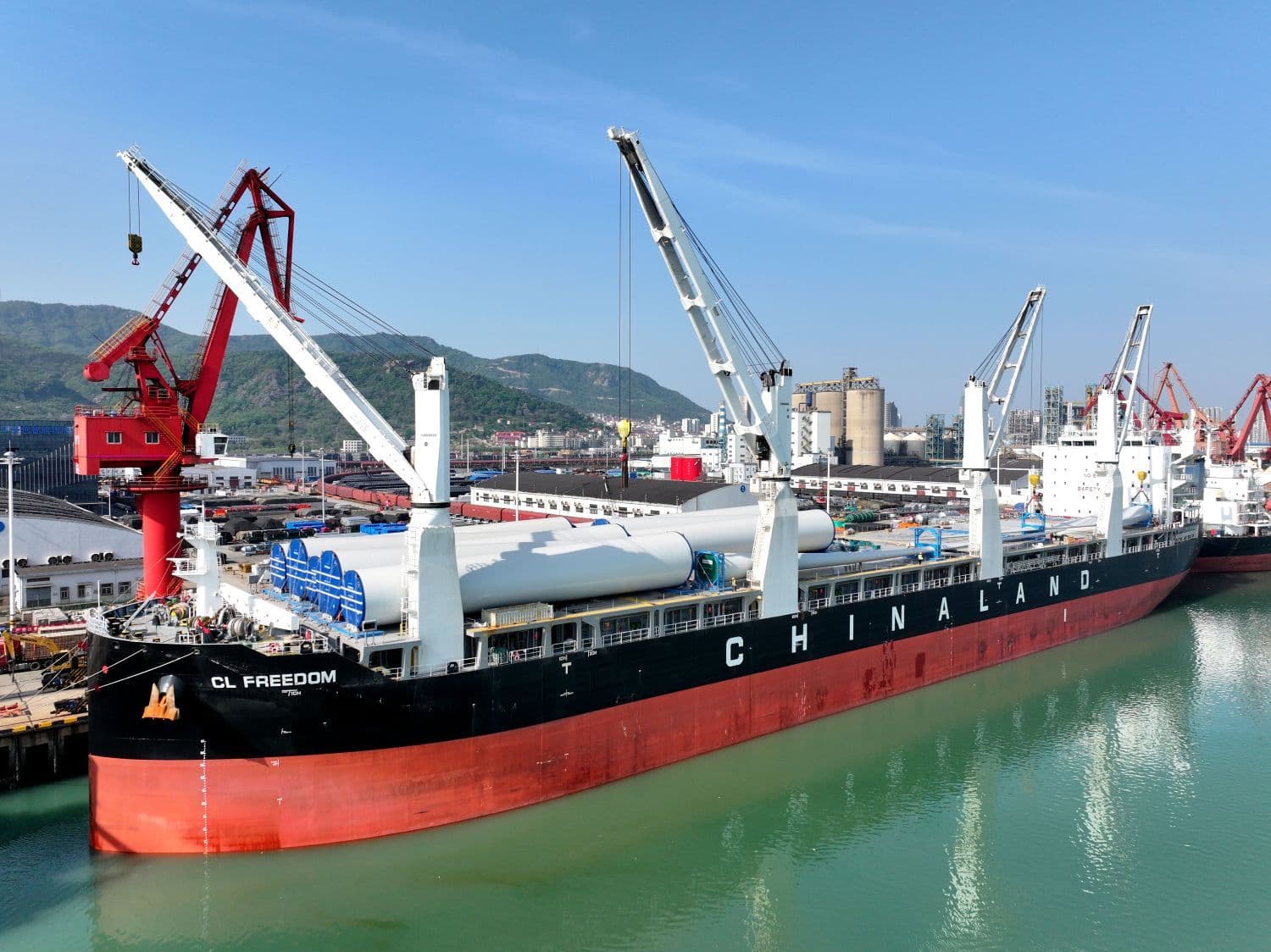
Declining MPV Capacity Trend Shows No Signs of a Fast Turnaround
The multi-purpose vessel (MPV) and breakbulk shipping market is facing mounting headwinds, and the latest data suggests that relief is not coming anytime soon. The Journal of Commerce Breakbulk Shipper Index dropped to 97 in May, representing a two-point decline from April and a significant fall of 26 points since March. For shippers, freight forwarders, and logistics professionals who rely on MPV capacity, this sustained downward trajectory is more than a statistical footnote — it is a signal that structural challenges are deepening across the sector.
Understanding the JoC Breakbulk Shipper Index
The Journal of Commerce Breakbulk Shipper Index is one of the most closely watched indicators in the project cargo and breakbulk freight industry. It measures shipper sentiment and market conditions across key variables, including equipment availability, booking lead times, freight rates, and overall capacity access. When the index reads above 100, conditions are generally considered favorable for shippers. When it falls below that threshold, it reflects tightening conditions, reduced capacity availability, or deteriorating market dynamics from the shipper's perspective.
A reading of 97 in May is not catastrophic in isolation, but the velocity of the decline tells a more concerning story. Losing 26 points in just two months — from March to May — points to a rapid deterioration in market conditions rather than a gradual softening. This kind of sharp movement rarely corrects itself quickly, and industry analysts are warning stakeholders not to expect a fast turnaround.
What Is Driving the Decline in MPV Capacity?
Several converging factors are contributing to the downward pressure on MPV capacity, and understanding them is essential for shippers looking to navigate the current environment effectively.
An Aging Global MPV Fleet
The global fleet of multi-purpose vessels has been aging for years without sufficient new tonnage entering service to replace retiring ships. Unlike container shipping, which saw a wave of new-build orders during the pandemic era, the MPV and heavy-lift segment did not attract the same level of investment. The result is a fleet that is gradually shrinking in effective capacity, particularly for specialized heavy-lift and project cargo operations. Older vessels require more maintenance downtime, face stricter port state control inspections, and are increasingly subject to environmental compliance pressure under International Maritime Organization (IMO) regulations.
Limited New-Build Activity
New MPV orders have remained constrained for several years, driven by high shipbuilding costs, uncertainty around future fuel technologies, and cautious freight rate forecasts. Shipowners have been reluctant to commit capital to new tonnage when the return on investment horizon remains unclear. This lack of fleet replenishment is compounding the capacity crunch that shippers are now experiencing in real time.
Competing Demand from Other Cargo Segments
MPVs are versatile assets capable of carrying a wide range of cargo, including project equipment, wind energy components, steel products, forest products, and breakbulk goods. When demand surges in any one of these sectors — such as the ongoing global push for renewable energy infrastructure — it can pull vessel availability away from other shipper segments, tightening the overall market. The energy transition, while positive for the world, is creating significant logistical pressure on the MPV sector.
Geopolitical and Trade Route Disruptions
Ongoing geopolitical tensions and trade route disruptions continue to affect vessel positioning and scheduling efficiency. When vessels are diverted around conflict zones or rerouted due to port congestion, the effective supply of available tonnage in key trade lanes decreases. These disruptions add unpredictability to an already tight market, making capacity planning even harder for shippers of breakbulk and project cargo.
What This Means for Shippers and Freight Buyers
For companies that rely on MPV capacity to move oversized industrial equipment, power generation components, construction machinery, or other breakbulk goods, the current market environment demands a proactive approach. Waiting for conditions to improve before taking action could mean facing even tighter availability and higher freight costs in the months ahead.
- Book earlier and lock in space: As capacity tightens, lead times for MPV bookings are extending. Shippers who have historically operated with short lead times will need to adapt and engage carriers well in advance of cargo readiness.
- Develop carrier relationships: In a constrained market, shippers with established relationships with operators often receive preferential access to limited tonnage. Building those relationships now is a strategic investment.
- Explore alternative routing: Given the volatility in vessel availability on specific trade lanes, working with experienced freight forwarders to identify alternative routing options can help manage risk and maintain supply chain continuity.
- Review project logistics timelines: For companies planning large capital projects that require MPV transport, it is worth revisiting logistics timelines to account for potential delays stemming from capacity constraints.
The Outlook: Patience Required
Industry observers and logistics professionals familiar with the MPV segment broadly agree that a rapid correction in capacity availability is unlikely in the near term. The structural factors driving the decline — an aging fleet, limited new-build orders, and sustained demand from energy transition projects — are not issues that resolve themselves over a few months. A meaningful improvement in market conditions would likely require either a significant increase in new-build completions, a moderation in project cargo demand, or both happening in tandem.
Until those conditions materialize, the JoC Breakbulk Shipper Index is expected to remain under pressure. For shippers of breakbulk and project cargo, the message is clear: plan ahead, secure capacity early, and build flexibility into your supply chain wherever possible. The market is not expected to hand out easy wins in the months ahead, and those who prepare accordingly will be best positioned to protect their operations and timelines.
Staying Informed in a Volatile Market
Monitoring key market indicators like the JoC Breakbulk Shipper Index is an important part of staying ahead in a rapidly shifting freight environment. Whether you are a shipper, a project logistics provider, or a freight forwarder operating in the breakbulk and MPV space, keeping a close eye on capacity trends and adjusting your strategy in response to real-time data is more critical than ever. The May reading of 97 — and the broader decline it reflects — is a prompt to act with urgency and foresight rather than wait for market conditions to improve on their own.