
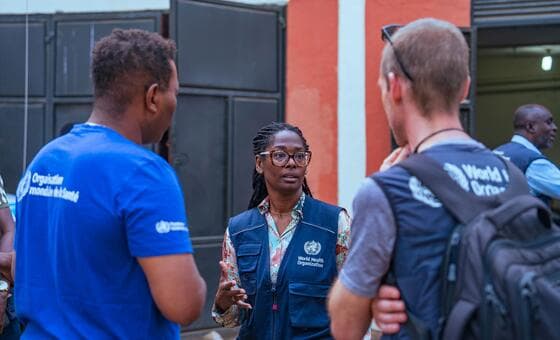
Ebola in DR Congo: One Month On, the Scaled-Up Response Remains Insufficient
One month after health authorities declared the Bundibugyo Ebola outbreak in the Democratic Republic of the Congo (DRC) and Uganda, the situation on the ground remains deeply alarming. Case numbers continue to climb, communities remain at risk, and despite international efforts to scale up the humanitarian response, experts and frontline organizations warn that the measures taken so far are still falling dangerously short of what is needed to contain the virus.
This outbreak has drawn renewed global attention to the fragility of health systems in conflict-affected regions, the persistent challenges of reaching vulnerable populations, and the critical importance of timely, adequately funded emergency responses to infectious disease threats.
What Is the Bundibugyo Ebola Virus?
The Bundibugyo species of Ebola virus was first identified in Uganda's Bundibugyo district in 2007. It is one of several known strains of the Ebola virus disease (EVD) and, while generally considered to have a lower case fatality rate than the more widely known Zaire strain, it remains a highly dangerous hemorrhagic fever that spreads through direct contact with the blood, secretions, organs, or other bodily fluids of infected people, as well as surfaces and materials contaminated by these fluids.
Symptoms typically appear between two and twenty-one days after exposure and include sudden fever, fatigue, muscle pain, headache, and sore throat, followed by vomiting, diarrhea, rash, and in severe cases, internal and external bleeding. Without rapid diagnosis and supportive care, the disease can be fatal within days.
How the Outbreak Unfolded
The current outbreak was officially declared in the Democratic Republic of the Congo approximately one month ago, with cases quickly crossing into neighboring Uganda due to the porous border regions and significant population movement in the area. The DRC has a long and painful history with Ebola outbreaks — the country has experienced more Ebola outbreaks than any other nation in the world — but each new event brings its own set of challenges shaped by geography, security conditions, and the state of local health infrastructure.
In the weeks following the declaration, health teams rushed to establish isolation centers, begin contact tracing operations, and deploy limited vaccine supplies to the most at-risk populations. Community engagement efforts were also launched to counter misinformation and build trust with local residents, many of whom have historically been reluctant to engage with formal health systems due to past experiences with conflict, exploitation, and broken promises from outside responders.
Why the Response Remains Insufficient
Despite these efforts, frontline health workers and humanitarian organizations have been clear: the scaled-up response, while meaningful, has not been enough. Several compounding factors are undermining the ability to get ahead of the outbreak.
Underfunding and Resource Gaps
Emergency funding appeals have not been fully met, leaving critical gaps in the supply of personal protective equipment (PPE), diagnostic materials, and medications needed for supportive care. Without adequate resources, health workers are placed at greater personal risk, and the capacity to treat patients and conduct thorough contact tracing is severely limited. Historically, funding for Ebola responses in the DRC has lagged behind need, and the pattern appears to be repeating itself.
Security and Access Challenges
Much of the eastern DRC, where outbreaks tend to occur, remains affected by ongoing armed conflict involving multiple non-state armed groups. This instability restricts the movement of health teams, endangers outbreak responders, and forces communities to prioritize immediate physical safety over engagement with health services. Some areas remain entirely inaccessible to response teams, creating reservoirs of undetected transmission that can seed new clusters of cases elsewhere.
Overwhelmed Health Infrastructure
The DRC's health system was already severely strained before the current outbreak began. Hospitals and clinics in affected areas lack the capacity to safely isolate and treat Ebola patients while continuing to provide essential services to the broader population. The fear of Ebola transmission in health facilities has also driven some community members away from seeking care for other conditions, creating secondary health crises.
Cross-Border Complexity
The involvement of Uganda adds another layer of complexity to the response. Coordinating surveillance, contact tracing, and containment measures across an international border requires significant diplomatic and logistical cooperation. While both governments and international partners have committed to collaboration, the practical challenges of synchronizing cross-border efforts in real time remain substantial.
What Needs to Happen Now
Health experts and humanitarian advocates are calling for immediate and concrete action on several fronts. Donor governments and international institutions must close funding gaps without delay, ensuring that response teams have the resources they need to operate at full capacity. Security guarantees or negotiated access arrangements must be pursued to allow health workers to reach affected communities in conflict zones. Vaccine deployment must be accelerated, with particular attention to health workers and high-risk contacts who remain unprotected. And community engagement strategies must be culturally sensitive, locally led, and genuinely responsive to the concerns of affected populations.
A Pattern the World Cannot Afford to Ignore
The Bundibugyo Ebola outbreak in the DRC and Uganda is a stark reminder that global health security is only as strong as its weakest link. When outbreaks in under-resourced, conflict-affected regions are met with delayed, underfunded, and insufficient responses, the consequences extend well beyond national borders. The window for containing this outbreak is still open — but it will not remain open indefinitely.
The international community has both the tools and the knowledge to stop this outbreak. What is needed now is the collective will — and the funding — to actually use them.