
Ebola Treatment Capacity Expands in DR Congo as WHO Issues New Guidelines
The World Health Organization (WHO) is ramping up its response to a dangerous Ebola outbreak in eastern Democratic Republic of the Congo (DRC), scaling up treatment capacity for the rare and deadly Bundibugyo species of the virus. While health authorities have made measurable progress on the medical and logistical front, WHO officials continue to warn that deep-rooted community mistrust remains one of the most formidable barriers to bringing the outbreak fully under control.
This outbreak is particularly significant because the Bundibugyo species of Ebola is far less common than the more widely known Zaire strain, meaning that global health systems have fewer established protocols, treatment options, and frontline experience to draw upon. As cases emerge across conflict-affected and historically underserved regions of eastern DRC, the combined weight of medical complexity and community resistance is testing the limits of the international response.
What Is the Bundibugyo Species of Ebola?
Ebola virus disease encompasses several distinct species, each with varying levels of transmissibility and case fatality rates. The Bundibugyo species was first identified in 2007 in Uganda's Bundibugyo District, and outbreaks of this particular strain have been relatively rare compared to the Zaire ebolavirus, which was responsible for the catastrophic 2014–2016 West Africa outbreak that killed more than 11,000 people.
Bundibugyo ebolavirus spreads through direct contact with the blood, body fluids, or organs of infected individuals, and it can also be transmitted via contact with contaminated surfaces or materials. Symptoms include fever, fatigue, muscle pain, headache, and in severe cases, internal and external bleeding. While the case fatality rate for the Bundibugyo strain is generally lower than for Zaire ebolavirus, it remains a deadly pathogen demanding urgent and coordinated public health intervention.
Expanding Treatment Infrastructure in Eastern DRC
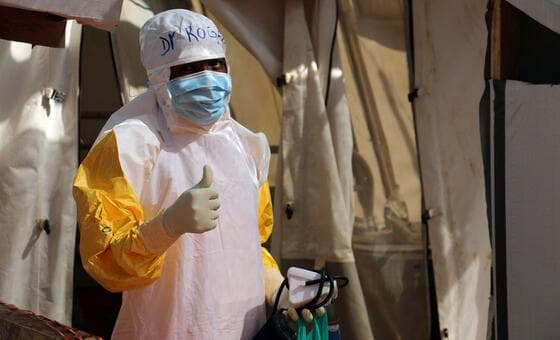
In response to the growing caseload, WHO and its partners have been working to establish and expand Ebola Treatment Units (ETUs) in affected areas of eastern DRC. These specialized facilities are designed to isolate infected patients, provide supportive care, and reduce community transmission by ensuring that sick individuals receive treatment in controlled environments rather than remaining in their homes.
The expansion of treatment capacity is a critical step forward, particularly given the remote and often insecure nature of eastern DRC. The region has been plagued by decades of armed conflict, displacement, and weak health infrastructure, all of which significantly complicate outbreak response efforts. Health workers operating in these zones must navigate not only the clinical demands of Ebola care but also real security threats and difficult terrain.
WHO has also issued updated clinical guidelines tailored to the specific characteristics of the Bundibugyo species, providing frontline health workers with clearer protocols for diagnosis, patient management, and infection prevention and control (IPC). These new guidelines reflect the latest scientific evidence and are intended to standardize care across all treatment facilities responding to the outbreak.
Community Mistrust: A Persistent Obstacle
Despite the progress in expanding treatment infrastructure, WHO has been candid about the serious challenge posed by community mistrust. In many affected communities in eastern DRC, historical experiences with government neglect, foreign interventions, and misinformation have generated deep suspicion toward health workers and international organizations.
During previous Ebola outbreaks in DRC — particularly the 2018–2020 outbreak in North Kivu and Ituri, the second largest in history — community resistance was identified as a key driver of prolonged transmission. Families sometimes hid sick relatives to avoid ETUs, and health workers were, in some cases, physically attacked. These dynamics reflect not irrational behavior, but rational responses to environments where trust in institutions has been repeatedly eroded.
WHO and its partners are working to address this through community engagement strategies that prioritize local leadership, transparent communication, and culturally sensitive outreach. This includes deploying community health workers from within affected populations, engaging religious and traditional leaders, and ensuring that safe and dignified burial practices are carried out in ways that respect local customs.
The Role of Vaccination in Outbreak Control
Vaccination is one of the most powerful tools available in Ebola response, and ring vaccination strategies — where vaccines are administered to contacts and contacts of contacts of confirmed cases — have proven effective in previous outbreaks. However, the availability of an approved vaccine specifically targeting the Bundibugyo species is more limited than for Zaire ebolavirus, for which the rVSV-ZEBOV vaccine (Ervebo) has demonstrated strong efficacy.
Health authorities are evaluating available options and working to ensure that eligible populations receive whatever protective interventions are accessible. Alongside vaccination, robust contact tracing, safe burial teams, and continuous surveillance remain essential pillars of the outbreak response strategy.
International Support and Funding Needs
Sustained international attention and funding are essential to maintaining and expanding the current response. Outbreaks in conflict-affected regions like eastern DRC often struggle to secure consistent donor support, particularly when competing with other global health emergencies. WHO has called on international partners to maintain their commitments and ensure that response operations are not hampered by resource gaps.
- Expanding Ebola Treatment Unit capacity in remote areas
- Strengthening surveillance and contact tracing networks
- Supporting community engagement and risk communication
- Providing personal protective equipment (PPE) to frontline workers
- Funding research into Bundibugyo-specific therapeutics and vaccines
Looking Ahead
The expansion of Ebola treatment capacity in eastern DRC, combined with WHO's updated clinical guidelines, represents meaningful progress in the fight against the Bundibugyo outbreak. Yet the path to ending the outbreak runs directly through the communities most affected, and no amount of medical infrastructure can substitute for genuine trust between health systems and the people they serve. Bridging that gap — through listening, respect, and sustained engagement — remains the most urgent challenge of all.
The global health community must remain vigilant, well-funded, and deeply committed to a response that is not only medically effective but also humane and community-centered. Only then can the cycle of recurring Ebola outbreaks in DRC be meaningfully disrupted.