
Exxon Mobil Signs Preliminary LNG Deal to Power South Africa's Energy Transition
In a significant development for both the global energy market and Africa's largest economy, Exxon Mobil Corp. has struck a preliminary deal to supply liquefied natural gas (LNG) to South Africa. The agreement, confirmed by people familiar with the matter, is designed to help the country bolster its power grid while steadily reducing its long-standing and deeply entrenched reliance on coal. This deal represents a pivotal moment in South Africa's energy journey and signals growing international interest in helping the nation navigate one of its most pressing economic and environmental challenges.
Why South Africa Urgently Needs an Energy Overhaul
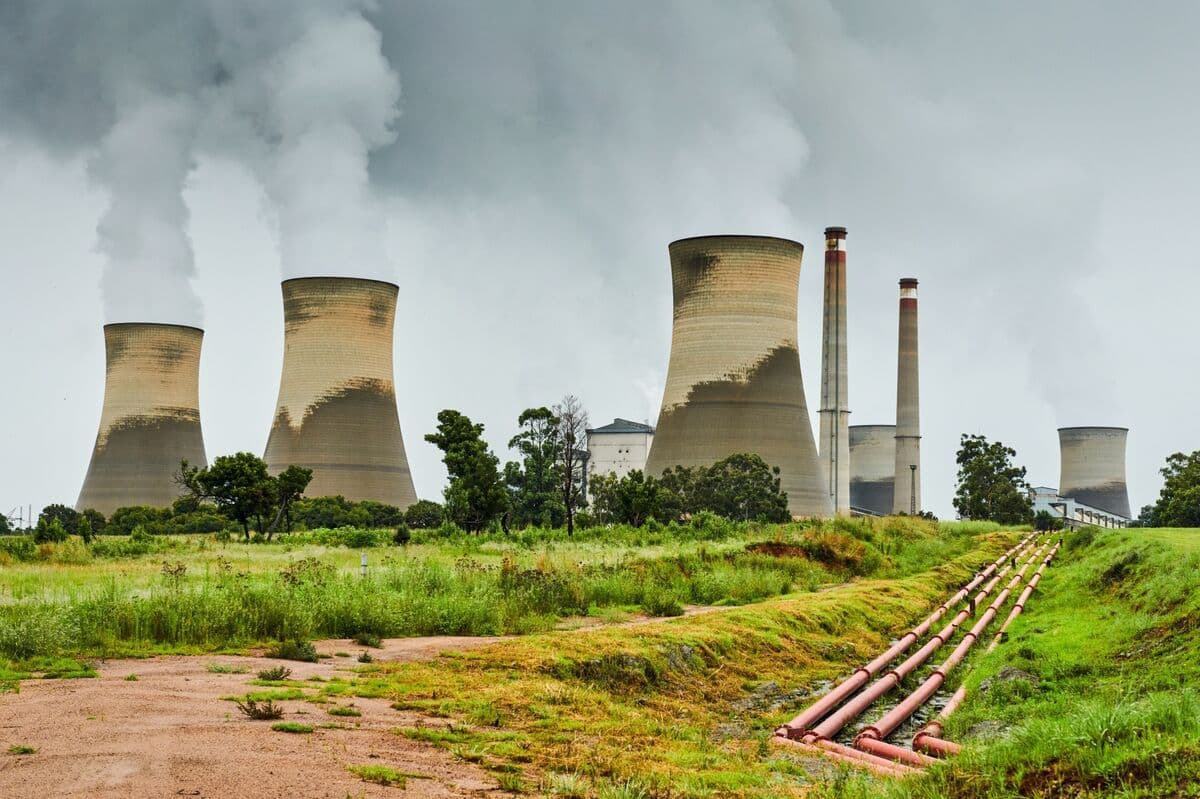
South Africa has long been one of the most coal-dependent nations on the planet. The state-owned utility Eskom, which controls the vast majority of the country's electricity generation and distribution, has historically relied on aging coal-fired power stations to meet national demand. This dependence has come at a steep cost — economically, environmentally, and socially.
For more than a decade, South Africa has suffered from a crippling energy crisis characterized by rolling blackouts known locally as "load shedding." At its worst, these power cuts have lasted up to 12 hours a day, devastating businesses, disrupting essential services, and dragging down GDP growth. The International Monetary Fund and World Bank have both cited the energy crisis as one of the single largest obstacles to South Africa's economic recovery and long-term development.
At the same time, South Africa faces mounting international pressure to decarbonize. As one of the world's top per-capita greenhouse gas emitters due to its coal-heavy energy mix, the country made commitments under international climate agreements to transition away from fossil fuels. However, the reality of overnight decarbonization is complex when tens of millions of people depend on an already fragile grid. This is precisely where natural gas, and specifically LNG, enters the equation as a critical transition fuel.
What the Exxon Mobil LNG Deal Could Mean for South Africa
The preliminary agreement between Exxon Mobil and South Africa is being viewed by energy analysts as a pragmatic step toward energy diversification. Liquefied natural gas burns significantly cleaner than coal, producing roughly half the carbon dioxide emissions per unit of energy generated. While it is not a renewable energy source, LNG is widely regarded as an effective bridge fuel — one that can stabilize electricity supply while a country gradually builds out its renewable energy infrastructure.
For South Africa, the potential benefits of this deal are considerable:
- Grid Stability: A reliable LNG supply could help reduce the frequency and duration of load shedding episodes, providing consistent baseload power that intermittent renewables like solar and wind currently cannot fully deliver on their own.
- Emissions Reduction: Shifting even a portion of electricity generation from coal to natural gas could meaningfully reduce South Africa's carbon footprint, helping the country meet its climate commitments under the Paris Agreement and the Just Energy Transition Partnership (JETP).
- Economic Relief: Fewer blackouts mean higher productivity across all sectors of the economy. The South African Reserve Bank has estimated that load shedding costs the economy billions of rand each year in lost output.
- Energy Security: Diversifying away from a single domestic fuel source reduces the country's vulnerability to supply disruptions, labor strikes at coal mines, and the operational failures of aging power infrastructure.
Exxon Mobil's Growing Footprint in Africa's Energy Sector
This deal is consistent with Exxon Mobil's broader strategic ambitions on the African continent. The American energy giant has been expanding its upstream and downstream presence in Africa, recognizing the continent as one of the fastest-growing energy markets in the world. Africa's population is projected to double by 2050, and energy demand is expected to rise dramatically in tandem.
Exxon has previously explored and developed significant LNG resources in countries such as Mozambique, where vast offshore gas reserves have attracted billions in international investment. The company's experience in developing and delivering LNG at scale positions it well to become a long-term energy partner for South Africa and potentially other sub-Saharan nations facing similar energy security challenges.
For Exxon Mobil, the deal also represents a commercial opportunity at a time when global LNG demand is surging. European nations scrambling to replace Russian gas supplies following the invasion of Ukraine have driven up LNG prices and reinforced the value of long-term supply contracts. Locking in a deal with a major emerging-market economy like South Africa aligns with Exxon's strategy of securing stable, diversified revenue streams from its LNG portfolio.
Challenges Ahead: Infrastructure, Finance, and Political Will
Despite the optimism surrounding the announcement, several significant hurdles remain before LNG can begin flowing to South African power plants. The country currently lacks the large-scale import infrastructure — including floating storage and regasification units (FSRUs) and onshore pipeline networks — needed to receive and distribute LNG at a commercial scale. Developing this infrastructure will require substantial capital investment and regulatory coordination across multiple government departments and private sector partners.
Financing the transition also poses challenges. South Africa's public finances are under severe strain, with high levels of sovereign debt and ongoing fiscal pressures limiting the government's capacity to fund large infrastructure projects independently. International development finance institutions, including the World Bank and the African Development Bank, as well as climate finance mechanisms established under the JETP, are expected to play a key role in bridging this funding gap.
Political will is another variable. South Africa's coal industry employs hundreds of thousands of workers, and any accelerated shift away from coal carries significant social implications for coal-mining communities in provinces like Mpumalanga. A carefully managed just transition — one that invests in retraining workers and diversifying local economies — will be essential to securing the domestic political support needed to see the energy transformation through.
A Turning Point for Africa's Energy Future
The Exxon Mobil–South Africa LNG deal, even in its preliminary stage, is being closely watched by energy markets, climate advocates, and African policymakers alike. If successfully concluded and implemented, it could serve as a template for other coal-dependent African nations seeking to modernize their energy systems without sacrificing grid reliability.
South Africa's energy transition is not simply a national story — it is a bellwether for how emerging economies can balance the urgent demands of economic development, energy access, and climate responsibility. With Exxon Mobil now stepping in as a potential long-term LNG partner, the country may have found a critical ally in its effort to keep the lights on while building a cleaner, more resilient energy future for its 60 million citizens.
As negotiations progress and infrastructure plans take shape, the world will be watching to see whether this preliminary agreement can be transformed into a lasting energy partnership — one that delivers both the kilowatts South Africa desperately needs and the emissions reductions the planet demands.