
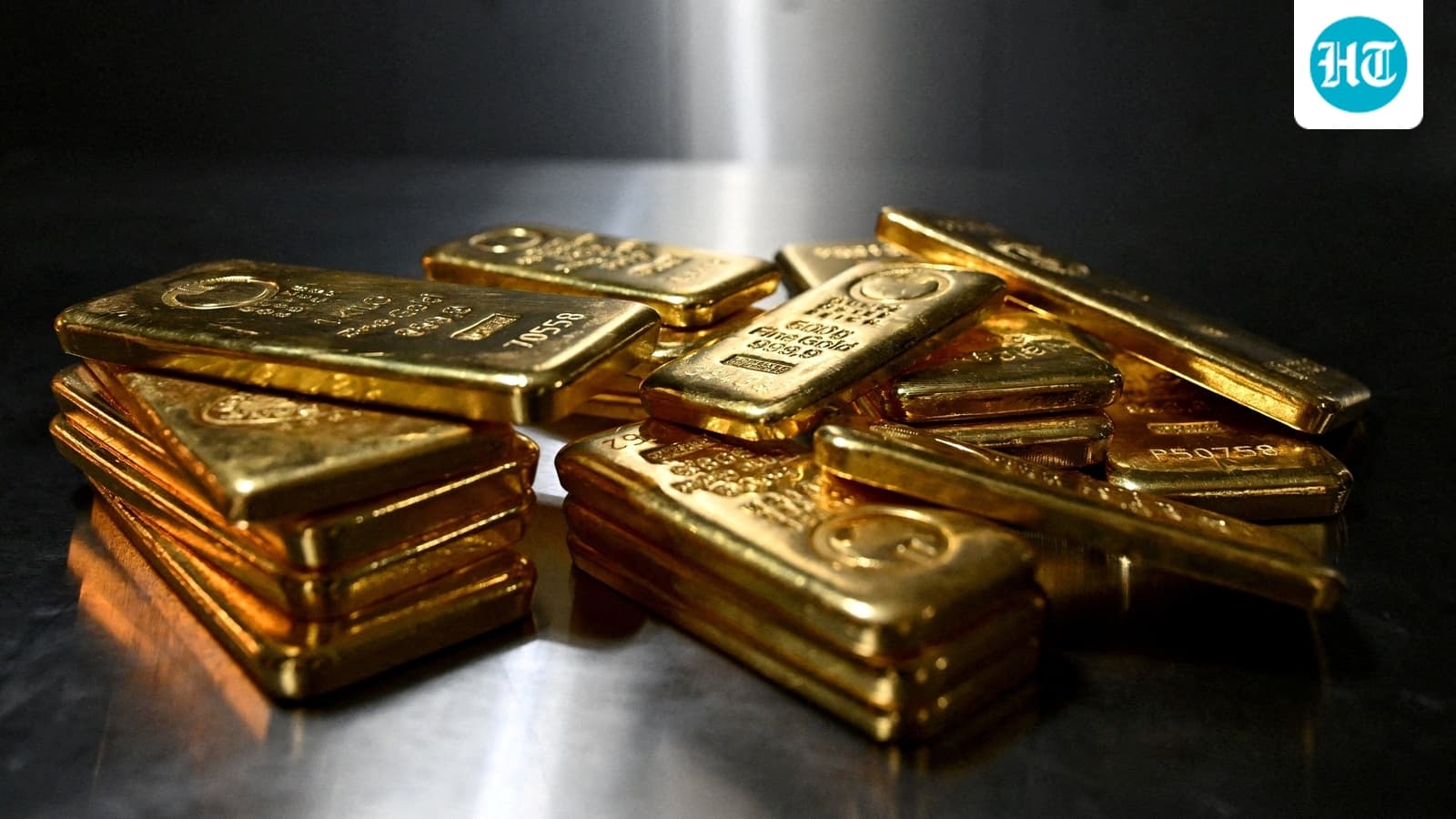
Gold Price Today in India: What You Need to Know
Gold prices moved higher on Friday as fresh optimism surrounding a potential agreement between the United States and Iran sparked renewed investor interest in precious metals. Whether you are a seasoned investor, a jewellery buyer, or simply keeping an eye on your portfolio, understanding the daily movement of gold prices across major Indian cities is essential. This article breaks down today's gold rates in Delhi, Mumbai, Bengaluru, and Chennai, while also explaining the key forces driving prices in the market right now.
Why Did Gold Prices Rise Today?
The primary catalyst behind Friday's upward movement in gold prices was a statement from former U.S. President Donald Trump expressing optimism about reaching a deal with Iran. Geopolitical developments of this nature tend to have a layered effect on commodity markets. On one hand, the prospect of eased tensions could reduce the urgency of safe-haven buying. On the other hand, any uncertainty surrounding diplomatic negotiations keeps investors cautious, prompting them to hedge their positions with gold.
Gold has long served as the world's most trusted safe-haven asset. When geopolitical tensions flare or economic uncertainty rises, investors consistently turn to gold to preserve wealth. The news around Iran rekindled this instinct, sending prices upward across global markets — and those international movements directly influence what consumers and investors pay in India.
Additionally, currency fluctuations, particularly the performance of the Indian rupee against the U.S. dollar, play a significant role in determining domestic gold prices. A weaker rupee typically makes imported gold more expensive, which pushes retail prices higher in cities like Delhi, Mumbai, Chennai, and Bengaluru.
Today's Gold Rate in Major Indian Cities
Gold prices in India vary slightly from city to city due to differences in local taxes, transportation costs, and demand patterns. Below is a general overview of how gold rates tend to be structured across major metros, keeping in mind that rates are updated throughout the trading day.
Gold Price in Delhi
Delhi, as one of India's largest gold consumption hubs, sees consistently high trading volumes. The capital's gold rates are influenced by both national commodity exchanges and local jeweller associations. Buyers in Delhi typically track both 22-carat and 24-carat gold prices, with 22-carat being the most popular choice for jewellery purchases and 24-carat preferred for investment-grade coins and bars.
Gold Price in Mumbai
Mumbai is home to the Multi Commodity Exchange (MCX), India's premier commodity trading platform, making it the financial nerve centre for gold pricing in the country. The city's gold rates often serve as a benchmark for other metros. Given Mumbai's deep integration with global financial markets, prices here tend to reflect international spot rates most closely, adjusted for the current rupee-dollar exchange rate and applicable import duties.
Gold Price in Chennai
Chennai and the broader Tamil Nadu region have one of the highest per-capita gold consumption rates in India. The city's strong cultural affinity for gold — particularly during wedding seasons and festivals — keeps demand robust throughout the year. Chennai gold rates may carry a slight premium during peak demand periods due to heightened local buying activity.
Gold Price in Bengaluru
Bengaluru's gold market is buoyed by a growing affluent population and a thriving tech-sector workforce with significant disposable income. The city sees strong demand for both investment gold and jewellery, particularly around Akshaya Tritiya and Dhanteras. Rates in Bengaluru closely track national trends with minor regional variations.
22-Carat vs 24-Carat Gold: Which Should You Buy?
Understanding the difference between gold purity levels is crucial before making a purchase decision. Here is a quick breakdown to help you choose wisely:
- 24-carat gold is the purest form, comprising 99.9% gold. It is ideal for investment purposes such as gold coins, bars, and sovereign gold bonds, but too soft for everyday jewellery.
- 22-carat gold contains approximately 91.6% gold, with the remainder made up of metals like silver, copper, or zinc to add durability. This is the standard choice for jewellery across India.
- 18-carat gold is increasingly popular in modern designer jewellery collections, offering a balance of affordability and durability with 75% gold purity.
Key Factors That Influence Gold Prices in India
Several interconnected factors determine the price you will pay for gold on any given day. Being aware of these can help you time your purchase more effectively.
- Global spot prices: Gold is priced internationally in U.S. dollars per troy ounce. Any movement in the global spot price directly impacts Indian retail rates.
- Rupee-dollar exchange rate: Since India imports the majority of its gold, a depreciating rupee increases the landed cost of the metal.
- Import duty and GST: The Indian government levies import duty on gold, which currently stands at a significant percentage of the value. Additionally, a 3% GST applies at the point of sale.
- Geopolitical events: Conflicts, trade negotiations, and diplomatic developments — such as the current Iran situation — can trigger rapid price movements.
- Central bank policies: Decisions by the U.S. Federal Reserve regarding interest rates have an outsized impact on gold. Lower interest rates typically boost gold prices by reducing the opportunity cost of holding a non-yielding asset.
- Seasonal demand: India's wedding season and festivals like Diwali, Dhanteras, and Akshaya Tritiya generate significant spikes in domestic gold demand.
Should You Buy Gold Today?
With prices rising on the back of geopolitical news, many buyers wonder whether now is the right time to enter the market. Financial advisors generally recommend treating gold as a long-term portfolio hedge rather than a short-term trading instrument. Allocating between 10% and 15% of your overall investment portfolio to gold is a commonly cited guideline, as it provides a buffer against inflation and currency depreciation without overexposing your finances to commodity volatility.
For jewellery buyers planning purchases for upcoming weddings or festivals, tracking prices over a two-to-four-week window before committing can help you identify a more favourable entry point. Using rate alerts on financial platforms or commodity exchange apps can make this process significantly easier.
How to Check Live Gold Rates
Staying updated on gold prices has never been easier. You can check live gold rates through the MCX website, the India Bullion and Jewellers Association (IBJA) portal, or reliable financial news platforms. Most apps also allow you to set price alerts so you are notified when gold hits your target rate, whether you are tracking prices in Delhi, Mumbai, Chennai, or Bengaluru.
As global developments continue to unfold — including the evolving U.S.-Iran diplomatic situation — gold prices are likely to remain sensitive to news flow. Staying informed and monitoring both domestic and international cues will ensure you make the most well-timed and cost-effective gold purchase possible.