
A $1.7 Million Shipment of Condoms Vanishes — No Masks, No Crowbars Required
When most people picture cargo theft, they imagine a Hollywood-style heist: a masked driver swapping trailers in a dark parking lot, or a crew breaking into a warehouse under the cover of night. The reality of modern freight crime is far less cinematic — and far more dangerous. In a case that has drawn national attention, a shipment of approximately 103,000 units of condoms and personal lubricant valued at roughly $1.7 million was allegedly diverted without a single lock being broken. Instead, the criminals used a phishing email, a stolen identity, and a stack of perfectly legitimate-looking paperwork.
What Happened: The Anatomy of the Alleged Theft
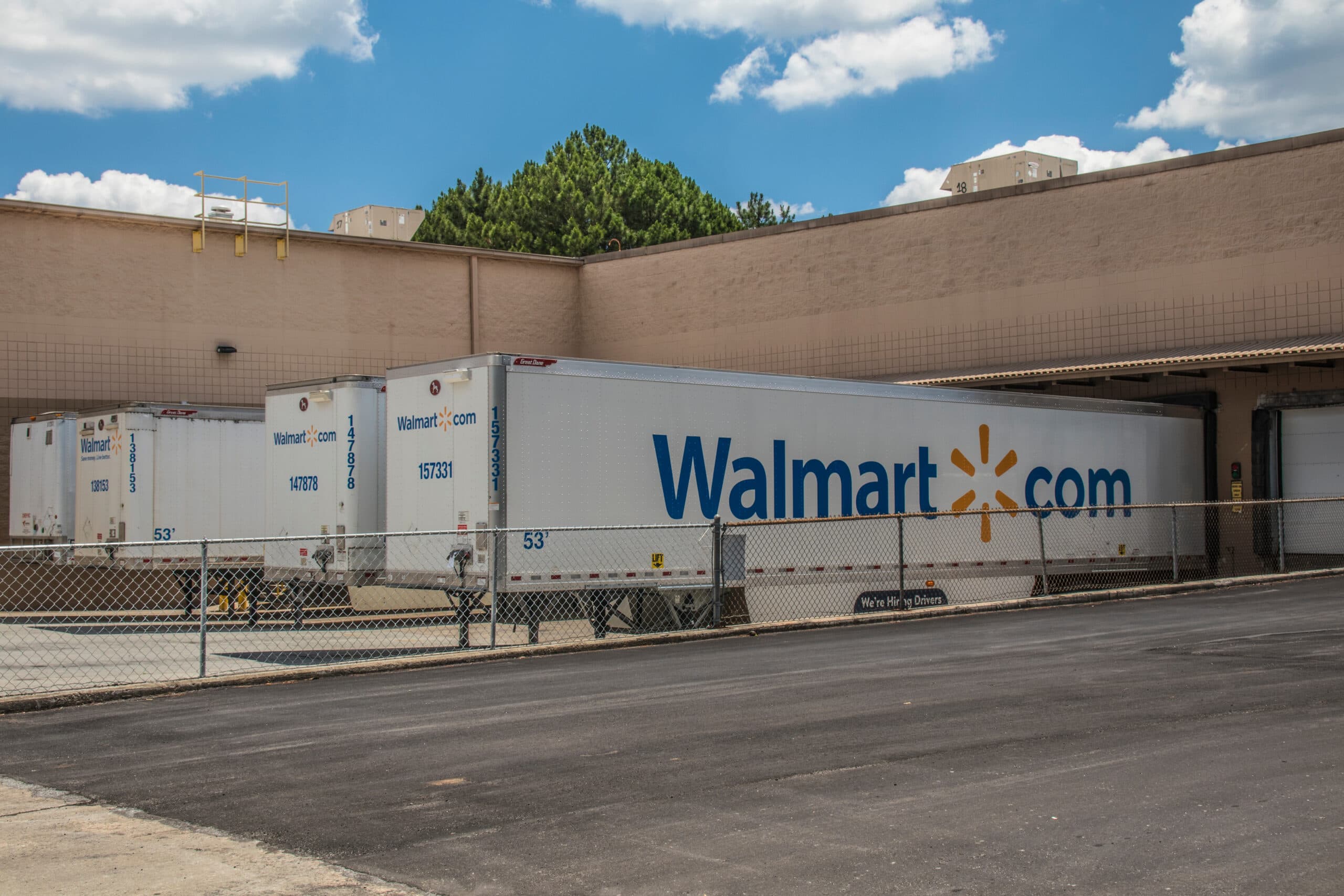
According to reporting by Cybernews, the shipment originated in Lynn, Massachusetts, and was destined for a Walmart distribution center in Pennsylvania. The cargo consisted of ONE Condoms and Move lubricant, both manufactured by Global Protection Corp., a Boston-based sexual health company.
Company officials allege the theft began not with a physical act, but with a digital one. A phishing email, disguised as a routine broker agreement, was reportedly sent to a legitimate trucking carrier. Once a recipient interacted with the email, criminals allegedly gained access to the carrier's internal systems and assumed the company's identity entirely. From that point forward, the attackers had something more valuable than a key to a warehouse — they had the carrier's credentials, documentation, and trusted standing within the freight network.
Using those credentials, the attackers allegedly arranged transportation for the shipment. Here is where the scheme becomes particularly unsettling: legitimate drivers reportedly arrived at the pickup location with the correct shipment numbers and all the right paperwork. Those drivers were, according to reports, entirely unaware they were participants in a fraud. The cargo was loaded, and it disappeared into the supply chain, never reaching its intended destination.
Why This Case Matters Beyond the Headlines
It would be easy to focus on the unusual nature of the stolen goods and miss the broader significance of this incident. The product involved — condoms — naturally draws attention and a few raised eyebrows. But the method used to steal them represents a growing and deeply serious threat to the entire logistics industry.
This was not opportunistic theft. It was a coordinated, cyber-enabled operation that exploited the trust infrastructure that keeps supply chains functioning. Freight networks depend on verified identities, recognized credentials, and established relationships between brokers, carriers, and shippers. When criminals are able to compromise those identities digitally, they effectively become invisible within a system designed to welcome them.
Cargo Theft Is Now a Cybercrime Problem
The Global Protection Corp. incident is far from isolated. In April, the FBI's Internet Crime Complaint Center issued a formal warning to the transportation and logistics industry, alerting businesses that cyber-enabled cargo theft losses across the United States and Canada had reached nearly $725 million. That figure reflects a dramatic and accelerating shift in how organized theft groups operate.
Traditionally, cargo thieves targeted physical vulnerabilities — unattended trailers in truck stops, poorly secured warehouses, or predictable delivery routes. Today's threat actors are increasingly targeting the digital and communications infrastructure that keeps freight moving. The approach is lower risk, highly scalable, and difficult to detect until the shipment simply fails to arrive.
Common tactics now used in cyber-enabled cargo theft include:
- Carrier identity fraud: Criminals assume the identity of legitimate trucking companies by stealing credentials through phishing attacks or data breaches, then use those identities to book and intercept freight.
- Fictitious pickups: Fraudsters pose as authorized carriers, arriving with falsified but convincing documentation to collect shipments they were never contracted to move.
- Broker impersonation: Attackers pose as freight brokers, inserting themselves between shippers and carriers to redirect loads.
- Email compromise in logistics: Similar to business email compromise (BEC) scams in finance, criminals hijack or spoof email accounts within logistics chains to alter pickup instructions or payment details.
The Supply Chain Security Gap
What makes this type of fraud so effective is that it exploits a fundamental tension in freight logistics: the industry must move quickly and rely on trust, but that speed and trust create openings for abuse. Drivers cannot always independently verify the legitimacy of every piece of paperwork they receive. Shippers may not have the tools to confirm in real time whether the carrier who just accepted their load is who they claim to be.
Small and mid-sized trucking companies are particularly vulnerable. Many lack dedicated cybersecurity resources and may not have robust email filtering, multi-factor authentication, or employee training programs designed to catch phishing attempts. A single successful phishing email, as this case allegedly demonstrates, can hand criminals everything they need to commit a crime worth millions of dollars.
What Businesses Can Do to Protect Their Freight
The FBI and supply chain security experts have urged companies across the logistics sector to treat cargo theft as a cybersecurity problem, not just a physical security one. Practical steps recommended for shippers, brokers, and carriers include verifying carrier identity through multiple independent channels before releasing freight, implementing multi-factor authentication on all systems that handle shipment data, training employees to recognize phishing emails — particularly those that mimic routine documents like broker agreements or rate confirmations, establishing verbal confirmation protocols for any changes to pickup instructions or carrier assignments, and working with freight visibility platforms that provide real-time tracking and anomaly detection.
A Wake-Up Call Wrapped in an Unusual Package
The alleged theft of $1.7 million worth of condoms will likely remain one of the more memorable cargo fraud stories of the year — but the lesson it carries is entirely serious. As organized crime groups grow more sophisticated in their use of phishing, identity theft, and digital impersonation, the freight industry faces a threat that no padlock or security camera can fully address. Protecting the supply chain now requires the same level of digital vigilance that financial institutions and healthcare organizations have had to build over the past decade. The criminals have already adapted. The question is whether the industry will catch up before the next shipment goes missing.