
A Potential Turning Point for Global Trade
For truckers, freight brokers, manufacturers, and logistics managers who have spent months battling spiking fuel costs and unpredictable shipping lanes, a diplomatic development in Switzerland may be the most consequential supply chain news of the year. U.S. and Iranian leaders are set to formally sign a 14-point memorandum of understanding (MOU) that could end recent hostilities, reopen one of the world's most critical maritime corridors, and set the stage for sweeping sanctions relief. If implemented as outlined, this interim deal has the potential to reshape global freight markets, stabilize energy prices, and restore a level of predictability that supply chains have sorely lacked.
Why the Strait of Hormuz Is So Critical to Global Logistics
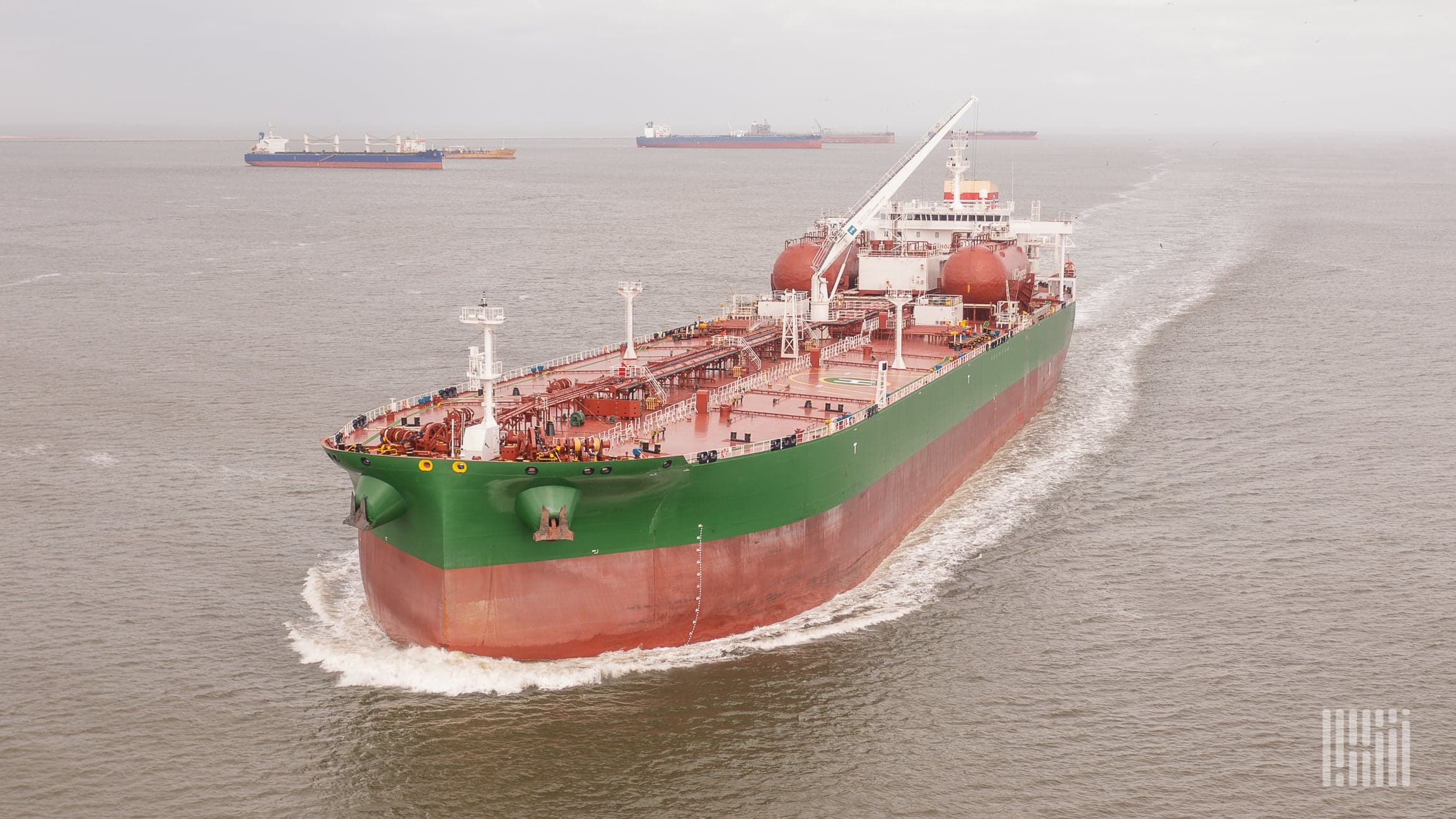
To understand the stakes, you first need to understand the geography. The Strait of Hormuz is a narrow waterway sitting between Iran and Oman, and it is arguably the single most important chokepoint in global energy trade. Before the conflict that triggered its closure earlier this year, the strait was responsible for carrying roughly one-fifth of the world's entire oil supply, along with significant volumes of liquefied natural gas (LNG) and other commodities.
When fighting shut down commercial traffic through the strait, the ripple effects were felt almost immediately across every corner of the global economy. Oil prices spiked sharply. Shipping costs surged. Tanker traffic dropped to a fraction of normal levels. Marine insurance rates soared as underwriters priced in the elevated risk of operating in a conflict zone. Many carriers chose to reroute their vessels entirely, sailing around Africa's Cape of Good Hope — a detour that adds weeks of transit time and thousands of dollars in additional fuel costs per voyage. For industries that depend on just-in-time delivery models, those delays were not a minor inconvenience. They were a serious operational crisis.
What the 14-Point MOU Actually Says for Freight and Shipping
The MOU is a preliminary framework, not a final treaty. But several of its key provisions are specifically relevant to transportation, energy markets, and global supply chains, and some of them are designed to take effect almost immediately.
- Immediate ceasefire on all fronts, including Lebanon, with a mutual commitment to no new military actions during the 60-day negotiating window. This alone reduces the risk premium that has been baked into shipping routes across the region.
- Reopening of the Strait of Hormuz to commercial traffic. Under the agreement, the United States will lift its naval blockade while Iran commits to clearing mines and other physical obstacles from the waterway. The target is a full return to pre-war traffic levels within 30 days — a timeline that, if met, could rapidly deflate shipping costs and ease port congestion downstream.
- Oil export waivers issued by the U.S. Treasury, allowing Iran to immediately resume selling crude oil, petrochemicals, and related products on global markets. Critically, the waivers also cover the banking, insurance, and shipping services that facilitate those transactions — meaning the full trade infrastructure can begin functioning again, not just the physical movement of goods.
- Release of frozen Iranian funds, estimated at $24 billion or more, along with promises of broader sanctions relief contingent on progress in final-status negotiations. Unlocking this capital could stimulate Iranian economic activity and create new demand for imported goods and logistics services.
- A $300 billion economic development plan, funded through regional partners, that could generate significant infrastructure investment across the Middle East — a long-term driver of freight demand if it materializes.
How Energy Markets Could Respond
Oil markets are notoriously sensitive to geopolitical signals, and the signing of this MOU is likely to send a strong one. The reopening of the Strait of Hormuz combined with Iranian crude re-entering global supply would increase available supply at a moment when prices have already been elevated by the conflict. The result, according to most commodity analysts, would be meaningful downward pressure on oil prices.
For the freight and logistics sector, lower oil prices translate directly into lower diesel and bunker fuel costs — which are among the largest variable expenses for carriers across road, rail, and ocean freight. If fuel prices fall and stabilize, shippers can expect more predictable operating costs and potentially lower freight rates over the months ahead. For manufacturers and retailers managing tight margins, that kind of cost relief could be significant.
The Supply Chain Implications Beyond Energy
The effects of a fully reopened Strait of Hormuz extend well beyond crude oil. LNG exports from the Persian Gulf region, which supply energy to markets across Asia and Europe, would normalize. Petrochemical shipments — feedstocks for plastics, packaging, and countless manufactured goods — would resume at scale. Bulk carriers transporting agricultural products and industrial materials through the region would no longer face the costly Cape of Good Hope detour.
Port congestion in hub facilities that absorbed rerouted traffic during the closure could also ease as vessel schedules normalize. Shippers who locked in spot rate contracts at elevated prices during the crisis will want to monitor contract renewal windows carefully as market rates adjust downward.
Reasons for Cautious Optimism
It is important to note that an MOU is not a final agreement. The 14-point framework launches a 60-day negotiating period aimed at reaching a comprehensive deal, and diplomatic processes of this complexity rarely unfold on a clean timeline. Political factions on both sides will scrutinize every clause. Implementation of the strait clearing operations will require coordination between military and civilian authorities. Sanctions relief requires legislative and regulatory action that moves at its own pace.
That said, the immediate operational provisions — the ceasefire, the strait reopening commitment, and the oil export waivers — are structured to deliver near-term relief even while longer negotiations continue. For supply chain professionals, this is the most practically relevant part of the deal.
What Logistics and Freight Professionals Should Do Now
Whether you manage a fleet, run a freight brokerage, or oversee procurement for a major manufacturer, the next 30 to 60 days represent a pivotal planning window. Here is where to focus your attention:
- Monitor fuel price trends closely. If Brent crude drops meaningfully following the MOU signing, lock in favorable fuel hedging contracts where possible before market sentiment fully adjusts.
- Reassess your routing strategy. Carriers currently operating Cape of Good Hope detours should begin modelling the cost and timeline benefits of returning to Suez Canal routes as the strait reopens.
- Review freight contracts. Spot rates elevated by the crisis may soften quickly. If your contracts include fuel surcharge escalators tied to index prices, understand how those clauses will behave in a declining rate environment.
- Stay current on sanctions developments. The Treasury waivers affecting Iranian oil, banking, and shipping services will evolve as negotiations proceed. Compliance teams should track guidance updates in real time.
The Bottom Line
The 14-point U.S.-Iran MOU represents one of the most consequential geopolitical developments for global logistics in years. If the ceasefire holds and the Strait of Hormuz reopens on schedule, the freight industry could see meaningful relief within weeks — lower fuel costs, restored shipping lanes, and a return to more predictable transit times. The longer-term outcome depends on whether diplomats can convert this interim framework into a durable agreement over the 60-day negotiating window. For now, supply chain professionals have good reason to watch Switzerland closely.