
IFM Investors Closes In on 50% Stake in Atlas Arteria Ahead of Takeover Deadline
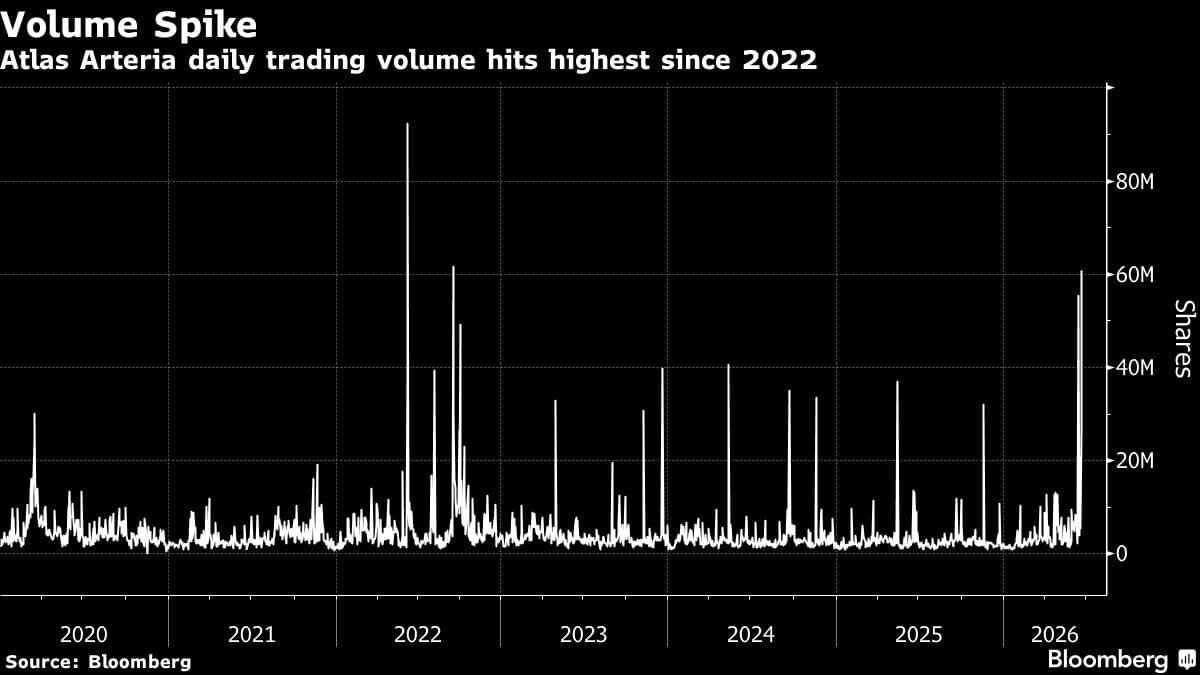
In one of the most closely watched infrastructure deals in the Australian market, IFM Investors is rapidly approaching a 50% ownership threshold in Atlas Arteria Ltd., the ASX-listed toll road operator. With the deadline for the takeover bid set to expire on Thursday night, the transaction has drawn significant attention from institutional investors, infrastructure analysts, and market watchers alike. The outcome of this bid could reshape the ownership landscape of one of Australia's most prominent toll road businesses and signal a broader trend in how major infrastructure assets are being consolidated under institutional ownership.
Who Is IFM Investors?
IFM Investors is an Australian-based global investment manager with deep roots in infrastructure, debt, listed equities, and private equity. Founded in 1995 and owned by a group of Australian pension funds, IFM manages assets on behalf of pension and superannuation funds worldwide. The firm has long been a prominent player in infrastructure investment, with holdings spanning airports, ports, toll roads, and utilities across multiple continents.
Infrastructure assets are a core part of IFM's investment philosophy. These assets tend to offer stable, long-term cash flows with inflation-linked revenue, making them particularly attractive to pension funds with long-dated liabilities. The push to acquire a controlling or majority stake in Atlas Arteria is entirely consistent with IFM's strategic focus on owning high-quality, cash-generative infrastructure businesses.
What Is Atlas Arteria?
Atlas Arteria is an ASX-listed infrastructure company that owns and operates toll roads across Europe and the United States. Its portfolio includes prominent concessions such as the APRR network in France and the Dulles Greenway in Virginia, USA. These assets generate revenue through vehicle tolls, with contracts and concessions that typically span multiple decades, offering reliable income streams largely insulated from short-term economic volatility.
The company has been a popular choice among income-focused investors on the Australian Securities Exchange due to its consistent dividend distributions and the defensive nature of its underlying assets. Toll roads, particularly those in mature markets like France and the United States, tend to maintain steady traffic volumes and benefit from annual toll price increases tied to inflation indices.
The Takeover Bid: Key Details
IFM Investors launched its takeover bid for Atlas Arteria with the intention of reaching or surpassing the critical 50% ownership threshold. As the Thursday night deadline approached, IFM had already accumulated a substantial position and was closing in on that milestone. Reaching 50% would be a pivotal moment, as it would give IFM effective control over the company and set the stage for potential further consolidation of the register.
The bid has been scrutinized carefully by retail and institutional shareholders alike, who have weighed the offered price against the long-term intrinsic value of the underlying toll road assets. For many investors, the key question has been whether the takeover price adequately reflects the durable earnings power and inflation-linked growth profile of Atlas Arteria's concession portfolio.
Why Infrastructure M&A Is Heating Up
The push by IFM to increase its stake in Atlas Arteria reflects a broader global trend of institutional capital — particularly from pension funds and sovereign wealth funds — seeking to own high-quality infrastructure assets outright rather than through listed vehicles. There are several reasons this trend has accelerated in recent years.
- Inflation protection: Infrastructure assets with toll or user-pay revenue models often have built-in inflation escalators, making them highly attractive in an environment where inflation has remained stubbornly elevated across developed economies.
- Stable long-term cash flows: Concession-based toll roads generate predictable revenue over decades, aligning well with the long-term liability profiles of pension and superannuation funds.
- Attractive risk-adjusted returns: Compared to other asset classes, mature infrastructure investments offer a compelling balance of income yield and capital preservation.
- Scarcity of quality assets: High-quality, operational infrastructure assets are finite. As more institutional capital targets this space, competition for ownership of premium assets like those held by Atlas Arteria has intensified.
Market Reaction and Investor Sentiment
The Atlas Arteria takeover bid has generated considerable discussion across financial markets. Shares in Atlas Arteria have traded closely in line with the bid price as the deadline approached, reflecting market expectations that IFM would succeed in reaching its target. Analysts have noted that the deal highlights both the enduring appeal of listed infrastructure companies and the ongoing tension between public market valuations and the prices that well-capitalised institutional investors are willing to pay for long-term asset ownership.
For existing Atlas Arteria shareholders, the bid presents a liquidity event at a defined price. However, some long-term investors may view selling as sacrificing future upside in a portfolio of assets that could continue to deliver strong returns over the coming decades, particularly as toll revenues benefit from ongoing inflation linkage and traffic growth.
What Happens Next?
If IFM Investors successfully crosses the 50% threshold by the Thursday deadline, the company will gain effective control of Atlas Arteria. This could open the door to further corporate actions, including a potential move to delist the company from the ASX or launch a full compulsory acquisition if IFM's holding eventually reaches the 90% threshold required under Australian takeover law. Alternatively, IFM may choose to maintain a listed structure while exercising its influence as the dominant shareholder.
Either outcome would represent a significant milestone for the Australian infrastructure investment landscape, underscoring the appetite of global institutional investors for premium toll road and concession assets.
Conclusion
IFM Investors' pursuit of a 50% stake in Atlas Arteria is more than just a single corporate transaction — it is a signal of the times. As institutional capital continues to flow into infrastructure, and as the lines between listed and unlisted asset ownership blur, deals like this one will likely become increasingly common. For investors, analysts, and policymakers, the Atlas Arteria takeover serves as a timely reminder of the enormous strategic value embedded in well-managed, long-duration infrastructure assets. With the deadline now looming, all eyes are on the final tally and what it means for the future of one of Australia's most recognised toll road operators.