
The Intermodal Boom Nobody Was Fully Prepared For
Intermodal freight has long been celebrated as one of the most efficient and cost-effective ways to move cargo across long distances. By combining rail's economic horsepower with the flexibility of trucking, shippers have relied on intermodal networks to keep goods moving reliably and affordably. But a recent surge in intermodal demand — fueled in part by global conflict and trade rerouting — is putting that system under unexpected pressure. And while the rail network itself is holding up, a critical vulnerability has emerged at the very end of the journey: drayage.
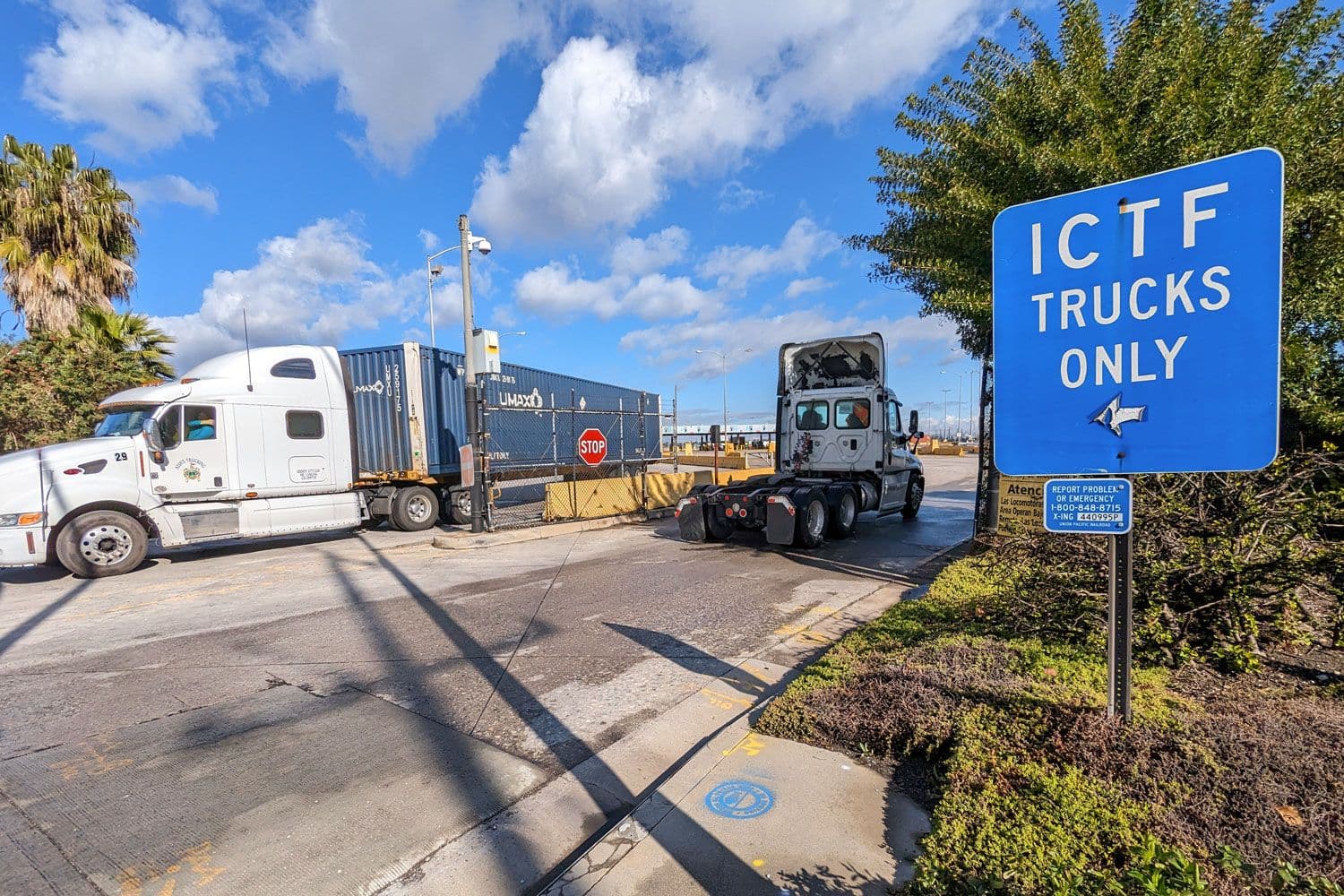
Drayage, the short-distance trucking that moves containers from rail yards to final destinations, has become the bottleneck that industry stakeholders can no longer afford to ignore. After years of cutbacks during the freight downturn, drayage fleets are now scrambling to find enough drivers to handle the rising volume of intermodal cargo — and the consequences are rippling across the entire supply chain.
What Is Drayage and Why Does It Matter So Much?
To understand why drayage has become such a critical pain point, it helps to understand its role in the broader intermodal ecosystem. Drayage refers to the trucking movement of shipping containers over short distances — typically from a port, rail terminal, or intermodal facility to a nearby warehouse, distribution center, or final delivery point. It is, in essence, the last mile of a very long intermodal journey.
Despite covering only a fraction of the total distance a container travels, drayage can make or break the entire logistics chain. A container that sits stranded at a rail yard because no dray truck is available to pick it up creates delays, detention fees, congestion at terminals, and frustrated shippers downstream. When drayage runs smoothly, it's nearly invisible. When it doesn't, the disruption is impossible to miss.
How the Freight Downturn Left Drayage Fleets Understaffed
The drayage sector entered its current crisis largely as a consequence of the prolonged freight recession that gripped the industry over the past couple of years. As demand softened and rates fell sharply, drayage carriers — many of which operate as small, owner-operator-dependent fleets — were forced to make painful cuts. Drivers left the industry or shifted to other sectors. Equipment investments were paused. Some smaller carriers shut down altogether.
These decisions made sense at the time. When freight volume is down and revenue is tight, reducing headcount and idling assets is a logical survival strategy. But the problem with cyclical industries is that downturns don't last forever, and rebuilding operational capacity takes time. You can't simply flip a switch and have experienced drayage drivers back behind the wheel when demand rebounds.
That is exactly the bind the drayage sector finds itself in today. The drivers who left haven't all come back. Recruiting new commercial drivers is slow, expensive, and increasingly competitive. Meanwhile, intermodal volume is climbing, and terminals are growing congested as containers pile up waiting for dray capacity that simply isn't there yet.
War-Driven Demand and Its Impact on Intermodal Freight
The demand surge that has exposed this drayage weakness is not the result of a typical economic upswing. Global geopolitical conflicts have disrupted traditional trade routes, forcing shippers to rethink how and where they move goods. Ocean carriers have rerouted vessels, adding transit days and changing the ports and inland terminals where containers are delivered. This has translated into elevated intermodal demand as shippers seek cost-effective ways to move cargo once it reaches North American shores and needs to travel inland.
Critically, the rail network has absorbed much of this demand without catastrophic failure. Rail operators have demonstrated resilience, maintaining service levels even as volume ticks upward. The system's weak link, however, has proven to be the ground-level infrastructure that connects rail to the real economy — and that means drayage.
Signs of Strain Across Intermodal Terminals
The strain is showing up in measurable ways across the intermodal network. Terminal dwell times — the amount of time a container sits at a rail facility before being picked up — have been creeping upward at several major inland ports and intermodal hubs. Shippers are reporting longer pickup windows, more missed appointments, and increased difficulty securing drayage capacity on short notice.
For businesses that depend on just-in-time inventory models or tight distribution windows, even modest drayage delays can cascade into significant operational disruptions. Retailers waiting on product to stock shelves, manufacturers awaiting components, and distributors trying to meet customer commitments are all feeling the downstream effects of a driver shortage that began not with today's demand surge but with yesterday's freight downturn cuts.
What the Industry Needs to Do Now
Addressing the drayage driver shortage requires a multi-pronged approach that both the private sector and policymakers should take seriously.
Driver recruitment and retention incentives: Drayage carriers must invest in competitive pay, better working conditions, and retention bonuses to attract drivers back to the sector. Short-haul drayage work is demanding, and compensation must reflect that reality.
Technology and visibility tools: Improved appointment scheduling systems and container tracking technology can help drayage operators use existing driver capacity more efficiently, reducing wasted trips and idle time at congested terminals.
Carrier consolidation and cooperation: Smaller drayage operators may find value in pooling resources, sharing capacity, or exploring partnerships with larger logistics providers to gain access to a broader driver network during peak demand periods.
Long-term workforce development: Industry associations and training programs need to prioritize commercial driver pipeline development, ensuring that the sector isn't perpetually caught flat-footed when demand cycles back up.
A Structural Warning Worth Heeding
The drayage crisis of 2024 and beyond is not simply a temporary labor market imbalance. It is a structural warning about how interconnected and fragile the intermodal supply chain can be when one segment is allowed to atrophy during lean times. The rail system's resilience is commendable, but resilience at one end of the chain means little if the other end is congested and understaffed.
For shippers, the lesson is to build drayage relationships and contingency capacity before they are urgently needed — not after. For carriers, it is to resist the impulse to cut too deep during downturns in ways that prove impossible to quickly reverse. And for the industry as a whole, it is a reminder that intermodal efficiency is only as strong as its weakest link — and right now, that link is drayage.
As global trade patterns continue to shift and intermodal demand remains elevated, solving the drayage driver shortage isn't just a logistics problem. It's a supply chain imperative.