
How the Iran War Disrupted ASEAN's Energy Transition
When geopolitical conflict erupts in one corner of the world, its shockwaves rarely stay contained. The conflict involving Iran sent tremors across global energy markets that reached all the way to Southeast Asia, placing ASEAN's ambitious energy transition goals under serious strain. While the transition was not entirely derailed, the episode laid bare how fragile the region's clean energy progress truly is — and how swiftly governments can abandon renewable commitments in favor of the fossil fuel security blanket they know best.
The Immediate Impact on Global Energy Markets
Iran is one of the world's significant oil producers and sits at the crossroads of critical maritime energy routes. When the conflict escalated, global crude oil prices spiked sharply, liquefied natural gas (LNG) supplies tightened, and energy security anxieties rippled through importing nations across the globe. For ASEAN — a bloc of ten nations that collectively imports substantial volumes of oil and gas to fuel rapidly growing economies — the price shock was immediate and deeply felt.
Countries like the Philippines, Vietnam, Thailand, and Indonesia, all of which had been making measured strides toward diversifying their energy mixes, suddenly found themselves confronting surging energy import bills. For governments already juggling post-pandemic fiscal pressures, the temptation to stabilize domestic energy costs through the fastest means available proved difficult to resist.
Fossil Fuel Fallback: A Predictable Response to Crisis
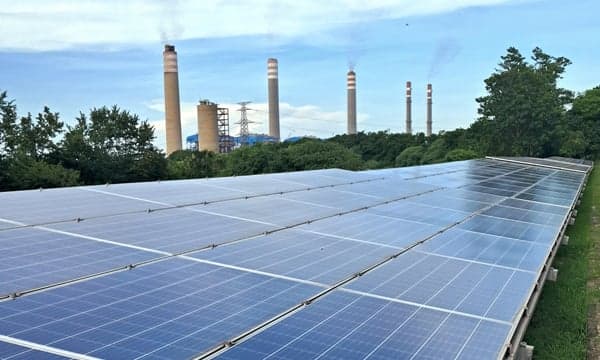
Across the region, the policy response followed a familiar and troubling pattern. Several ASEAN governments moved to secure additional coal shipments, extended the operational lifespans of aging coal-fired power plants that had been slated for retirement, and accelerated approvals for new fossil fuel infrastructure. The logic was straightforward, even if the long-term consequences were not: coal is cheap, domestically available in several ASEAN economies, and does not depend on the volatile Middle Eastern supply chains that the Iran conflict had thrown into chaos.
Indonesia, the world's largest coal exporter, saw renewed domestic pressure to prioritize coal for its own power generation needs rather than committing export volumes to international markets at contracted prices. Vietnam faced a power crunch that prompted emergency measures leaning heavily on thermal generation. Even the Philippines, which has a relatively diversified energy mix, struggled with electricity price volatility that made renewable energy investment harder to justify on short-term economic grounds.
The Structural Vulnerabilities the Conflict Exposed
What the Iran war truly exposed was not a new weakness but a longstanding one that the region had been papering over with optimistic transition roadmaps. ASEAN's energy transition remains highly dependent on external financing, imported clean energy technology, and stable global supply chains for solar panels, wind turbines, and battery storage systems. When geopolitical instability disrupted those global supply chains and diverted international capital toward energy security concerns, the scaffolding holding up ASEAN's green energy ambitions showed its cracks.
There are several structural vulnerabilities that the crisis brought into sharp relief:
- Overdependence on imported fossil fuels: Despite years of energy transition rhetoric, the majority of ASEAN nations remain heavily reliant on imported oil and gas for transportation and power generation, leaving their economies acutely exposed to Middle Eastern supply disruptions.
- Underdeveloped renewable energy grids: Solar and wind capacity additions have accelerated in recent years, but grid infrastructure in many ASEAN nations remains insufficiently developed to absorb large-scale intermittent renewable energy reliably, limiting how quickly countries can pivot away from fossil fuels in a crisis.
- Lack of regional energy integration: ASEAN has long discussed building an interconnected regional power grid, but progress has been painfully slow. A more integrated grid would have allowed surplus clean power from one nation to offset shortfalls in another, reducing the pressure to fall back on coal and gas during the disruption.
- Short-term political incentives: Elected governments across the region face intense domestic pressure to keep electricity prices affordable. When energy prices spike, the political cost of sticking to a clean energy transition plan — which may involve higher short-term costs — often outweighs the long-term environmental benefits in the eyes of decision-makers facing the next election cycle.
Was the Energy Transition Derailed — or Simply Delayed?
It would be an overstatement to say that the Iran conflict permanently derailed ASEAN's energy transition. Renewable energy projects that were already under construction continued to be built. International climate commitments, including nationally determined contributions under the Paris Agreement, remained formally in place. Foreign investment in Southeast Asian clean energy, while momentarily rattled, did not collapse entirely.
But the episode introduced delays, policy reversals, and a retreat of confidence that will take years to fully overcome. Every coal plant life extension approved during the crisis represents years of additional carbon lock-in. Every renewable energy investment postponed represents lost time in a decade where climate scientists warn that emissions reductions cannot afford to wait.
What ASEAN Needs to Build Genuine Resilience
The lesson from this disruption is not that ASEAN should slow its energy transition — it is that the region must accelerate it while simultaneously making it more resilient. That means investing in domestic renewable manufacturing capacity to reduce dependence on imported clean technology. It means fast-tracking the ASEAN Power Grid to enable regional energy solidarity. And it means designing energy subsidy and pricing policies that protect consumers without incentivizing governments to reach for coal every time global prices spike.
The Iran conflict did not create ASEAN's energy transition vulnerabilities. It simply forced governments — and the world — to confront vulnerabilities that were always there, waiting for the next shock to expose them. The real question now is whether the region will treat this disruption as a warning worth heeding, or as a temporary inconvenience to be forgotten once energy markets stabilize.
The answer to that question will shape Southeast Asia's energy future — and its climate trajectory — for decades to come.