
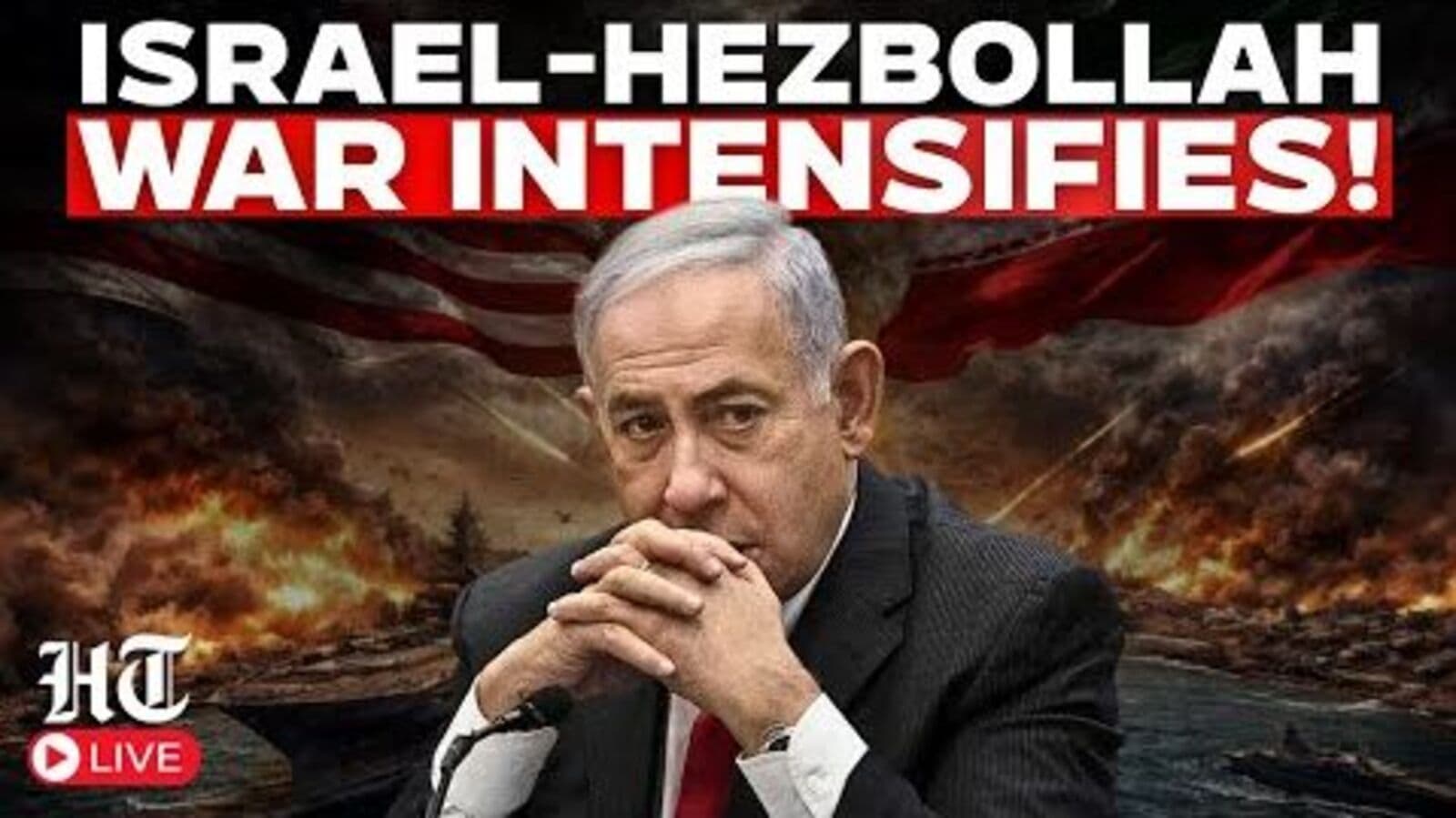
Israel and Hezbollah Reach Ceasefire Agreement After Intense Escalation in Lebanon
In a significant development that has captured global attention, Israel and Hezbollah have agreed to a ceasefire following one of the most serious escalations of hostilities between the two parties in recent years. The agreement, brokered through international diplomatic channels, has brought a temporary halt to fighting that had pushed Lebanon — and the broader Middle East — to the edge of a wider regional conflict. Understanding the background, terms, and implications of this ceasefire is essential for anyone following Middle East news closely.
Background: A History of Tensions Between Israel and Hezbollah
The conflict between Israel and Hezbollah is not new. The Lebanese militant group, which is also a major political force in Lebanon, has been in a state of near-constant tension with Israel for decades. Hezbollah, backed politically and militarily by Iran, has long operated along the Lebanese-Israeli border, maintaining a heavily armed presence that Israel considers an existential threat. The two sides fought a major war in 2006, and since then periodic exchanges of fire, intelligence operations, and proxy confrontations have kept the border volatile.
The latest escalation, however, represented a sharp and alarming spike in violence. Cross-border rocket fire, airstrikes, and ground incursions led to significant casualties and infrastructure damage on both sides of the border. Displaced civilians in northern Israel and southern Lebanon bore the heaviest burden of the renewed fighting, with tens of thousands forced to flee their homes as hostilities intensified.
What Triggered the Latest Escalation?
While the conflict has deep structural roots, the most recent round of hostilities was triggered by a combination of factors that converged in a particularly dangerous way. Regional tensions linked to the ongoing war in Gaza played a significant role, as Hezbollah positioned its military actions as acts of solidarity with Palestinians. Israel, for its part, responded to cross-border attacks with increasingly forceful military strikes targeting Hezbollah infrastructure, weapons depots, and command positions in Lebanon.
The cycle of retaliation escalated rapidly, drawing international concern. World powers, regional governments, and the United Nations warned that without intervention, the fighting risked expanding into a full-scale war with catastrophic consequences for Lebanon's already fragile state and for regional stability as a whole.
The Ceasefire Agreement: Key Terms and Conditions
The ceasefire agreement reached between Israel and Hezbollah followed intensive diplomatic negotiations involving key international mediators. While the full details of the deal have not been made entirely public, several key elements have been reported and are widely understood to form the framework of the agreement:
- Immediate cessation of hostilities: Both sides agreed to halt all offensive military operations, including rocket fire, airstrikes, and drone attacks, effective from the agreed ceasefire hour.
- Buffer zone arrangements: Provisions were discussed to reinforce existing buffer zone agreements in southern Lebanon, building on the framework established by United Nations Security Council Resolution 1701 from 2006.
- Monitoring mechanisms: International observers and UN peacekeeping forces were expected to play a strengthened role in monitoring compliance along the border.
- Humanitarian corridors: Both sides agreed in principle to facilitate the return of displaced civilians to their homes in border communities.
- Political talks: The agreement included reference to the need for longer-term political dialogue, though the specific structure of such talks remained to be determined.
International Reaction to the Ceasefire
The announcement of the ceasefire was met with cautious relief by the international community. The United States, which played an active role in diplomatic efforts alongside France and other European partners, welcomed the agreement while urging both sides to honor its terms fully. The United Nations Secretary-General called the ceasefire a necessary first step but emphasized that a lasting solution would require addressing the deeper political and security issues driving the conflict.
Arab states in the region, many of whom have complex relationships with both Lebanon and Israel, also expressed support for the ceasefire, emphasizing the need for Lebanon's sovereignty to be respected and for the country to be spared further destruction. Lebanon's own government, long hamstrung by political divisions and economic collapse, called on all parties to use the ceasefire as an opportunity to pursue genuine stability.
What This Means for Lebanon
Lebanon enters the post-ceasefire period in an extraordinarily fragile state. The country has been grappling with one of the worst economic crises in its modern history, a government struggling to assert authority over its own territory, and a population exhausted by years of instability. Fresh military conflict was the last thing Lebanon could afford, and the ceasefire, however imperfect, provides breathing room for the country to begin addressing its multiple crises.
The reconstruction of damaged infrastructure in southern Lebanon will require substantial international funding and coordination. Humanitarian organizations are already preparing to scale up relief operations as displaced communities begin to return.
The Broader Geopolitical Picture
The Israel-Hezbollah ceasefire does not exist in isolation. It is embedded in a much broader and volatile regional dynamic that includes the war in Gaza, Iran's regional influence, and the ongoing realignment of Middle Eastern geopolitics. Any ceasefire between Israel and Hezbollah remains fragile as long as these larger tensions remain unresolved.
Analysts caution that while the ceasefire reduces immediate risks, it does not address the fundamental sources of conflict. Hezbollah retains its military capabilities, Israel maintains its security concerns, and Iran continues to support proxy forces across the region. Without a comprehensive diplomatic framework that tackles these root issues, future escalations remain a real and serious possibility.
Conclusion: A Fragile but Important Step Forward
The Israel-Hezbollah ceasefire represents a meaningful, if fragile, step back from the brink of a potentially devastating wider war. For the people of Lebanon and Israel's northern communities, it brings an immediate and desperately needed halt to violence. For the international community, it is a reminder of both the importance of sustained diplomatic engagement and the urgent need to address the underlying grievances and power dynamics that continue to destabilize the Middle East. The world will be watching closely to see whether this ceasefire holds — and whether it can serve as a foundation for something more durable.