
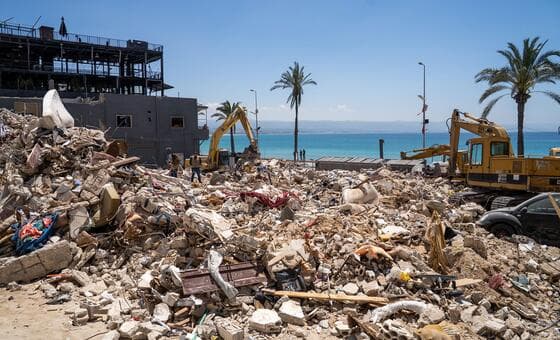
Humanitarian Crises Continue: Lebanon, Gaza, and Somalia Under the Spotlight
As diplomatic developments unfold across the Middle East and East Africa, the world's most vulnerable populations continue to face devastating humanitarian conditions. The UN Office for the Coordination of Humanitarian Affairs (OCHA) has issued fresh warnings about the precarious situations facing displaced communities in Lebanon, civilians enduring the relentless conflict in Gaza, and communities in Somalia grappling with a deepening emergency. Despite diplomatic progress in some areas, the ground reality for millions of people remains deeply troubling.
Lebanon: A Dangerous Road Home
The announcement of a diplomatic agreement between the United States and Iran on Sunday sparked cautious optimism among international observers. However, for the hundreds of thousands of displaced people in Lebanon, the path back to their homes remains fraught with danger and uncertainty. According to OCHA, displaced Lebanese communities continue to face serious obstacles in returning to their towns and villages, with conditions on the ground far from stable.
Infrastructure damage, the presence of unexploded ordnance, and the destruction of essential services such as healthcare facilities and water systems have made many communities simply uninhabitable. For families who fled violence in southern Lebanon and other conflict-affected regions, returning home is not a matter of choosing to go back — it is a matter of whether it is safe enough to do so at all.
Humanitarian organizations operating in Lebanon are urging the international community not to equate political negotiations with improved conditions on the ground. Diplomatic agreements, however significant, do not instantly restore damaged roads, rebuild hospitals, or clear landmines from residential areas. OCHA has emphasized that sustained funding and coordinated humanitarian action are urgently needed to support both continued displacement and any eventual return process.
Key Challenges Facing Displaced People in Lebanon
- Widespread destruction of residential areas and critical infrastructure making safe return impossible in many zones
- Continued presence of unexploded ordnance and other explosive remnants of war posing lethal risks to returning civilians
- Severely disrupted access to clean water, healthcare, and education services
- Limited humanitarian funding to support temporary shelter and essential needs for those still displaced
- Psychological trauma and protection concerns, particularly for women, children, and elderly individuals
Gaza: Displacement With No End in Sight
Across the border in Gaza, the humanitarian situation remains catastrophic. Ongoing conflict has displaced the vast majority of Gaza's approximately 2.3 million residents multiple times over, with many families having been forced to move again and again as designated safe zones proved anything but safe. OCHA's latest briefings paint a grim picture of a population surviving on the margins, with access to food, water, medicine, and shelter critically constrained.
The scale of displacement in Gaza is difficult to comprehend. Entire neighborhoods have been reduced to rubble, and the civilian population has been pushed into ever-shrinking areas of the territory. Overcrowding in makeshift shelters has led to the rapid spread of disease, while malnutrition — especially among children — has reached alarming levels according to multiple UN agencies.
Humanitarian aid convoys continue to face access restrictions, with aid workers reporting dangerous conditions and bureaucratic obstacles that prevent life-saving supplies from reaching those who need them most. The UN has repeatedly called for a sustained ceasefire and unimpeded humanitarian access as the minimum conditions required to begin addressing the enormous scale of civilian suffering.
The Human Cost of Displacement in Gaza
Beyond the immediate physical dangers, the displacement crisis in Gaza carries profound long-term consequences. Hundreds of thousands of children have had their education interrupted — in many cases for over a year. Mental health services, already scarce before the conflict, are now virtually non-existent. An entire generation is growing up amid destruction, grief, and profound instability, with consequences that will extend far beyond the current crisis.
International humanitarian law is clear on the protections owed to civilians in conflict, yet the gap between legal obligation and lived reality for Palestinians in Gaza remains vast. Advocacy organizations and UN bodies alike are calling on all parties to the conflict and on the international community to take immediate action to protect civilians and facilitate the delivery of humanitarian assistance.
Somalia: Emergency Funding Urgently Needed
While the crises in Lebanon and Gaza dominate much of the world's attention, Somalia faces its own deepening emergency that is receiving far less coverage than it demands. The country has long struggled with the compounding effects of armed conflict, recurrent drought, flooding, and widespread poverty. OCHA has flagged an urgent need for emergency funding to support humanitarian operations in Somalia, where millions of people are facing acute food insecurity and displacement.
Recent flooding has destroyed crops, damaged homes, and displaced communities that were already living on the edge after years of drought. Humanitarian responders in Somalia are warning that without an immediate injection of emergency funds, critical programs — including nutrition support for children under five and emergency food distributions — will be forced to scale back or halt entirely.
Why Somalia Cannot Be Forgotten
- Over 3 million people are currently displaced inside Somalia due to conflict and climate-related disasters
- Child malnutrition rates in some regions have exceeded emergency thresholds set by the World Health Organization
- Recurrent climate shocks continue to undermine recovery efforts and push communities deeper into vulnerability
- Ongoing insecurity limits humanitarian access to the most affected populations
- Funding gaps are forcing aid agencies to make impossible choices about who receives life-saving assistance
A World in Need: The Case for Sustained Humanitarian Action
The simultaneous crises in Lebanon, Gaza, and Somalia underscore a broader and deeply concerning trend: the world's humanitarian needs are growing faster than the international community's collective response. OCHA and its partner agencies are doing remarkable work under extraordinarily difficult conditions, but without adequate and sustained financial support from donor governments and the private sector, their capacity to protect and assist civilians will remain dangerously insufficient.
Each of these crises — whether rooted in conflict, climate change, or a combination of both — demands not only emergency relief but also long-term commitment to peace, development, and climate resilience. As diplomatic efforts continue in various corners of the globe, the world must not lose sight of the millions of people who are living the daily reality of displacement, hunger, and fear. Their survival depends on it.