
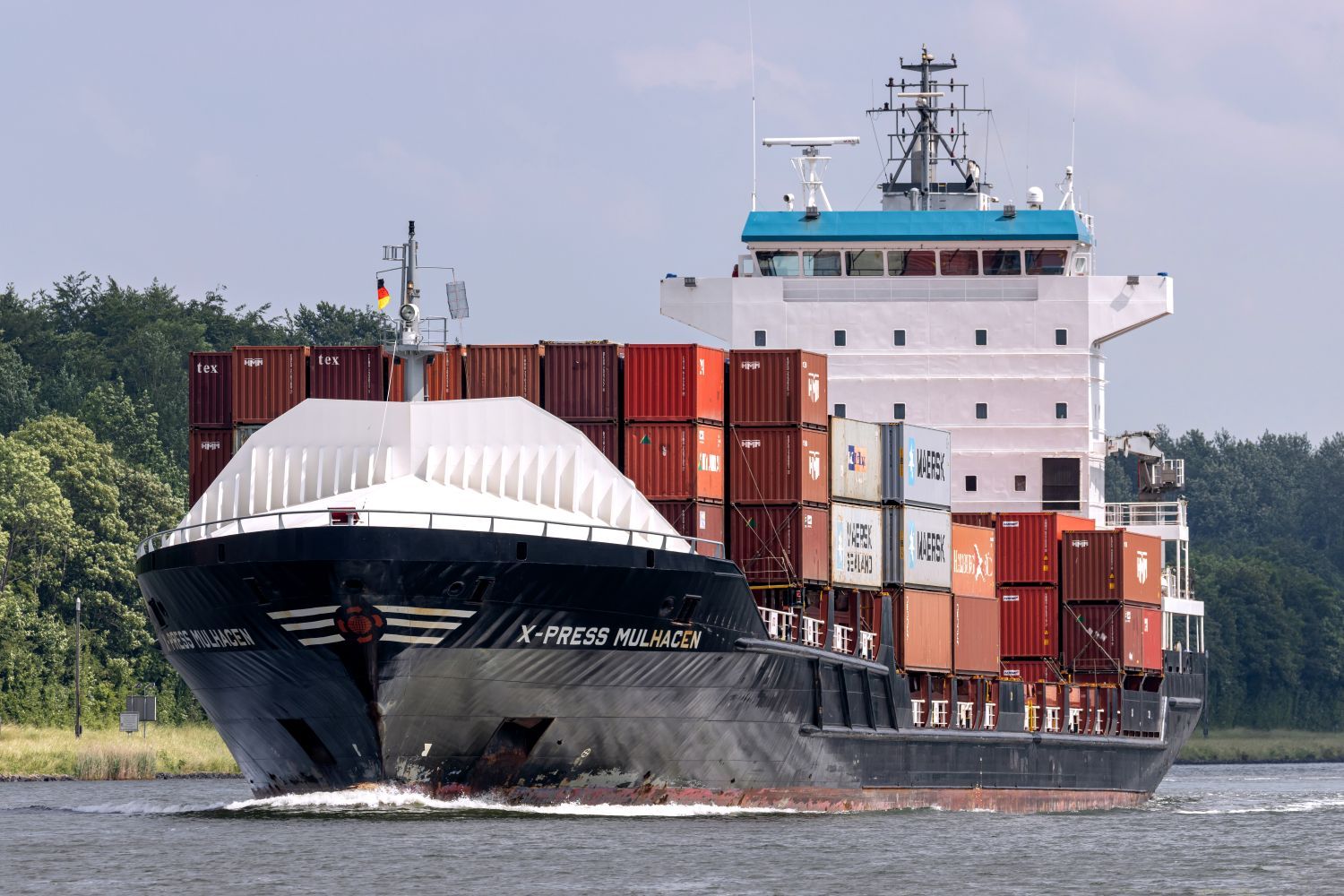
The Competitive Pressure Facing Midsize Ocean Carriers
The global shipping industry has long been shaped by the dominance of a handful of mega-carriers whose enormous fleets, vast port networks, and deep financial reserves give them unrivaled leverage in international trade. For midsize ocean carriers, competing head-to-head with these giants on deep-sea routes has traditionally seemed like an uphill battle. Yet a compelling strategy is emerging — one that draws inspiration from geopolitics as much as logistics: the formation of alliances among "middle powers."
Just as mid-tier nations on the world stage can punch above their weight by forming coalitions and sharing resources, midsize carriers that link their strong regional networks with innovative, collaborative services are finding genuine pathways to relevance — and profitability — in the deep-sea business. Understanding how these alliances work, and why they matter, is increasingly essential knowledge for anyone tracking the future of global maritime trade.
What Is a 'Middle Power' in Ocean Shipping?
In geopolitical terms, a middle power is a country that is neither a superpower nor a minor state — one that wields meaningful influence through diplomacy, coalitions, and niche strengths rather than sheer size. Applied to ocean shipping, the concept fits midsize carriers remarkably well. These are lines that may command significant market share in specific trade corridors or regional segments but lack the capacity, vessel count, or financial muscle of the top-tier global operators such as MSC, Maersk, or CMA CGM.
Midsize carriers often hold real competitive advantages within their home regions — established customer relationships, cultural knowledge, flexible operations, and nimble customer service. The challenge is that these strengths do not automatically translate into the kind of end-to-end global coverage that large shippers increasingly demand. That gap is exactly where strategic alliances come in.
The Case for Resource Pooling Among Midsize Lines
Resource pooling is not a new concept in shipping. The major carrier alliances — 2M, Ocean Alliance, and THE Alliance — have demonstrated for years that slot-sharing, vessel-sharing agreements, and coordinated port calls can dramatically improve network efficiency and reduce per-unit costs. The question for midsize carriers is whether they can replicate a version of that model on their own terms, without surrendering the regional identity and service flexibility that set them apart.
The answer, increasingly, appears to be yes. When midsize carriers join forces, they can collectively offer:
Broader route coverage: A carrier with strength in, say, intra-Asia trade can partner with another that dominates a specific transatlantic or Latin American corridor, giving both lines a more complete product to sell without the capital cost of building those routes from scratch.
Shared vessel capacity: Slot-sharing arrangements allow partners to fill ships more efficiently, improving load factors and reducing the cost per TEU — a critical metric in an industry where margins can be razor-thin outside of peak demand cycles.
Combined purchasing power: From bunker fuel procurement to port handling contracts, grouped carriers can negotiate better terms than any single midsize line could achieve independently.
Pooled technology and data resources: Digital transformation is no longer optional in shipping. Jointly investing in digital platforms, predictive analytics, and customer-facing booking tools spreads costs while accelerating capabilities that would be prohibitively expensive for any single mid-tier operator to develop alone.
Regional Networks as the Foundation of Alliance Strength
The most durable alliances among midsize carriers are those built on genuine regional complementarity rather than mere opportunism. A strong regional network is not simply a collection of port calls — it is a web of agent relationships, local market expertise, intermodal connections, and customer trust built over years or decades. When carriers bring this kind of deep regional knowledge to an alliance, they contribute something that cannot easily be replicated by a mega-carrier parachuting into a new market.
Consider the competitive dynamics in markets such as Southeast Asia, West Africa, or the Caribbean. In these regions, nimble local operators often outperform global giants on service quality, transit time reliability, and customer responsiveness. By linking these regional specialists through a coordinated alliance framework, midsize carriers can offer shippers a genuinely differentiated value proposition: the global reach of a large network with the local intelligence and service culture of a regional specialist.
Innovation as a Differentiator Within the Alliance Model
Resource pooling alone is not sufficient to secure long-term competitiveness. Midsize carrier alliances that aspire to lasting relevance must also invest in service innovation. This means going beyond vessel-sharing to explore new models of freight delivery, flexible scheduling, green shipping solutions, and digital integration with shippers' supply chain systems.
Sustainability is a particularly important frontier. As environmental regulations tighten and large shippers commit to decarbonization targets, the ability to offer verified carbon-efficient routing and alternative fuel options will become a meaningful differentiator. Midsize carriers pooling resources can jointly invest in LNG or methanol-capable vessels, shore power infrastructure, and carbon accounting tools — spreading the financial burden while collectively meeting market demands that individual carriers could not satisfy on their own.
Challenges and Risks to Navigate
Building effective alliances among midsize carriers is not without complexity. Governance structures must be carefully designed to prevent disputes over capacity allocation, revenue sharing, and strategic direction. Regulatory scrutiny of carrier cooperation agreements — particularly in jurisdictions with active competition authorities — requires careful legal navigation. Cultural and operational differences between carrier partners can create friction if not actively managed through strong alliance secretariats and clear communication protocols.
There is also the question of trust. Alliance partners are, in many markets, also competitors. Establishing the boundaries of cooperation while preserving healthy competitive instincts requires a level of institutional maturity that some midsize carriers are still developing.
The Path Forward for Midsize Carriers
The structural forces shaping container shipping — ongoing consolidation among mega-carriers, shipper demand for global coverage, escalating technology investment requirements, and the pressure of decarbonization — are not going to ease. For midsize ocean carriers, the choice is increasingly stark: compete in isolation and risk slow marginalization, or build coalitions that leverage collective strengths.
The alliance-of-middle-powers model offers a credible third way between absorption by a larger competitor and irrelevance. By pooling resources, connecting regional networks, and committing to service innovation, midsize carriers can carve out a sustainable and strategically distinct position in global shipping. The carriers that move decisively to build these partnerships — and to govern them well — stand to shape the next chapter of maritime competition rather than simply react to it.