
MPV Freight Rates: The Headline Dip That Masks a Deeper Story
At first glance, a minor softening in multi-purpose vessel (MPV) freight rates might appear to be a straightforward signal of easing market pressure. But look closer at the data and a more nuanced — and revealing — picture emerges. While day rates out of Southeast Asia and China have remained surprisingly firm, charter fees originating from Europe, the United States, and the Mediterranean have told an entirely different story. This divergence is not simply a statistical anomaly; it reflects fundamental trade lane imbalances that are reshaping how ship owners, charterers, and logistics operators think about vessel deployment and rate negotiations.
What Are MPV Vessels and Why Do Their Rates Matter?
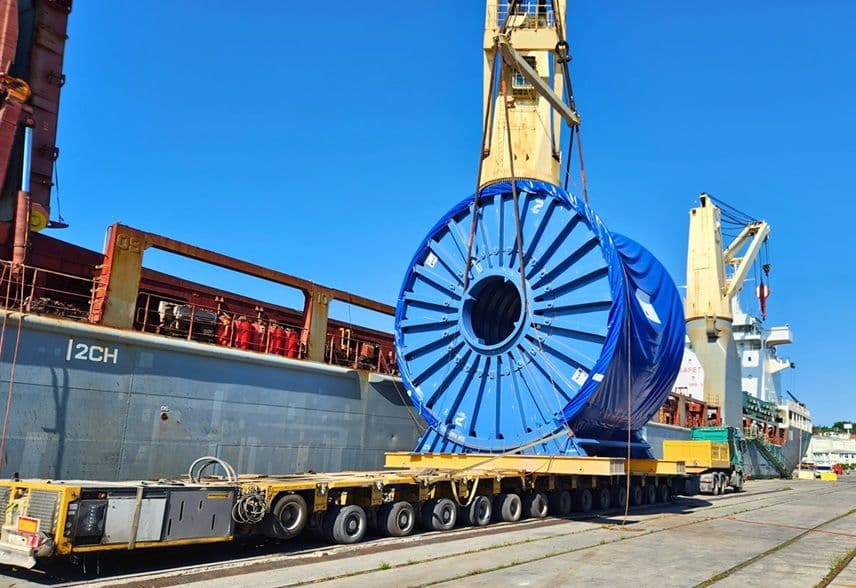
Multi-purpose vessels occupy a critical niche in the global shipping ecosystem. Unlike bulk carriers or container ships, MPVs are designed to handle a wide variety of cargo types — from project cargo and heavy lift equipment to bagged goods, steel products, and breakbulk freight. Their flexibility makes them indispensable for industries ranging from energy and construction to manufacturing and infrastructure development.
Because MPVs serve such a diverse range of trade routes and cargo categories, their freight rates act as a sensitive barometer for broader cargo market health. When rates diverge dramatically between trade lanes, it signals structural imbalances in supply and demand — imbalances that can persist for months or even years if the root causes go unaddressed.
Strong Day Rates Out of Southeast Asia and China
The story from Asia remains one of relative strength. Day rates for MPV charters originating from Southeast Asia and China have held firm, supported by several converging factors. First, export volumes from manufacturing hubs across Vietnam, Indonesia, Malaysia, Thailand, and China have continued at pace, driven by strong demand for industrial goods, machinery, and project cargo destined for markets in Africa, the Middle East, and Latin America.
Second, the repositioning costs associated with moving vessels into Asian waters remain significant, which effectively limits the available tonnage competing for these cargoes. Ship owners with vessels already positioned in the region are in a favorable negotiating position, and charterers have had limited leverage to push rates down meaningfully.
Third, infrastructure and energy project activity across Asia continues to generate consistent demand for heavy lift and project cargo movements. Major investments in renewable energy installations, industrial plants, and port infrastructure have kept specialized MPV capacity in demand throughout the region, reinforcing the floor under day rates.
The Contrasting Picture From Europe, the US, and the Mediterranean
Westbound origins are navigating a far more challenging environment. Charter fees from Europe, the United States, and the Mediterranean have come under notable pressure, reflecting a combination of slower export momentum, vessel oversupply in certain load regions, and the directional imbalance that is endemic to global shipping trades.
In simple terms, there is more cargo moving out of Asia toward Western destinations than there is moving in the opposite direction. This creates a structural surplus of vessel capacity at the western end of key trade lanes. When ships discharge cargo in European or American ports and need to position back to Asia or reposition to new employment, they often find themselves competing aggressively on price just to secure a cargo — any cargo — that will contribute to their repositioning costs.
This dynamic is particularly visible in the Mediterranean, where a combination of reduced project cargo exports, softer industrial activity in parts of the region, and increased vessel availability has put downward pressure on charter rates. Owners operating from these origins have had to accept lower rates or face costly ballast legs, neither of which is a desirable outcome.
Trade Lane Imbalances: A Structural Challenge for the MPV Sector
The imbalance between Asia-origin rates and Western-origin rates is not new, but the current divergence highlights how persistent and difficult to resolve these structural gaps can be. Several underlying factors contribute to the problem:
- Directional cargo flow asymmetry: Global trade flows remain skewed, with Asia generating far greater volumes of outbound project and breakbulk cargo than it imports on a comparable basis. This creates predictable tonnage bunching at discharge ports in Europe and the Americas.
- Vessel repositioning economics: The cost of sailing a large MPV in ballast across the Atlantic or from Europe to Asia is substantial. Owners are under pressure to find even low-paying cargoes to offset these costs, further depressing rates on backhaul legs.
- Fleet deployment decisions: Ship owners must make difficult decisions about where to position their fleets. Concentrating too much tonnage in Asia can inflate competition there, while neglecting Western positioning can create service gaps — but the commercial incentive clearly favors Asian deployment at present.
- Regional economic conditions: Softer industrial and construction activity in parts of Europe and the United States means that fewer large project cargoes are being exported, reducing the natural cargo base that supports rate levels from these origins.
What This Means for Charterers and Ship Owners
For charterers, the current environment offers an interesting strategic window. Those with cargo originating in Europe, the Mediterranean, or the US are in a relatively strong negotiating position and should be actively seeking competitive charter rates before any rebalancing occurs. Conversely, charterers sourcing from Asia should expect owners to maintain firm pricing and may find limited room for negotiation.
For ship owners and operators, the challenge is managing fleet positioning intelligently. The temptation to concentrate on Asian trade lanes is understandable given current rate strength, but leaving Western trades underserved creates its own risks, including the potential for competitors to establish longer-term customer relationships that are difficult to displace later.
Looking Ahead: Will the Imbalance Correct?
Market participants will be watching several indicators closely in the months ahead. Any pickup in European or US industrial exports, particularly in sectors like energy infrastructure or manufacturing equipment, could tighten Western-origin tonnage and push rates back up. Similarly, any slowdown in Asian export volumes — whether driven by demand shifts, trade policy changes, or logistics disruptions — could ease the current rate premium on that end.
For now, the minor headline dip in overall MPV freight rates should be read with caution. The aggregate number conceals a market that is far from uniform, and the trade lane imbalances underlying today's rate environment are likely to remain a defining feature of the MPV sector for the foreseeable future. Those who understand the geography of this divergence will be far better positioned to navigate it successfully.