
From Cars to Cures: How Morelos Is Reinventing Its Industrial Future After Nissan
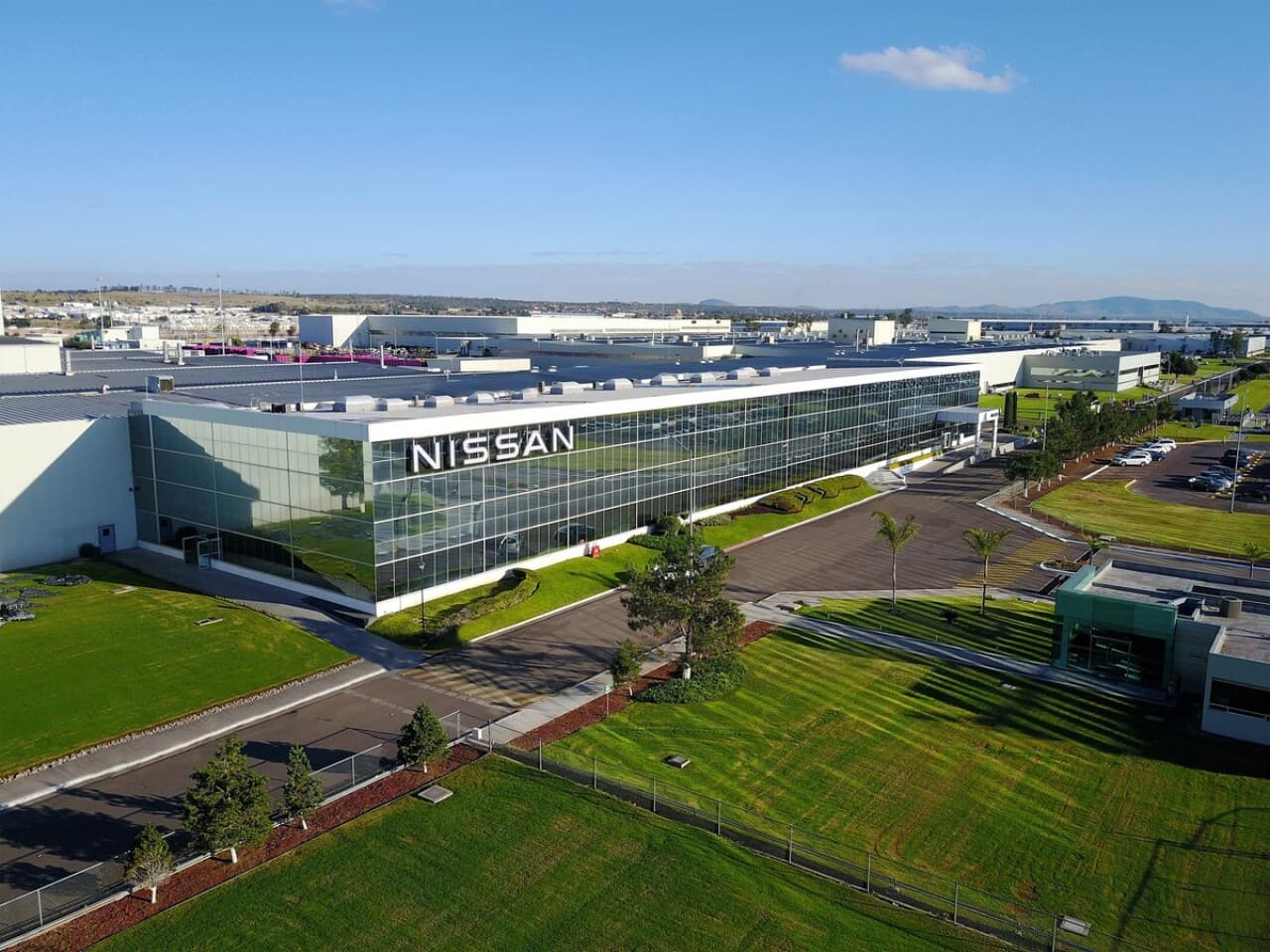
For nearly six decades, the roar of assembly lines and the smell of engine grease defined the industrial soul of Morelos, Mexico. The Nissan plant at the Ciudad Industrial del Valle de Cuernavaca — better known as CIVAC — was more than a factory. It was a symbol of economic ambition, a landmark that put a Mexican state on the global manufacturing map. But the machines have gone quiet. And now, in the silence left behind, a very different kind of industry is taking root: one measured not in horsepower, but in milligrams.
The arrival of pharmaceutical company Camber-Amarox to the same industrial corridor marks one of the most significant economic pivots in Morelos in recent memory — and raises a compelling question: can a region reinvent itself after losing its most iconic employer?
The End of an Era: Nissan's Departure from Morelos
Nissan's decision to shutter its Morelos facility was not made lightly, nor was it made in isolation. It is part of a sweeping global restructuring strategy that will consolidate all of the automaker's Mexican production in Aguascalientes. For the state of Morelos, however, the impact is deeply personal.
The CIVAC plant opened its doors in 1966, making it the first Nissan manufacturing facility ever established outside of Japan. That historical distinction carried enormous weight — economically, culturally, and symbolically. For generations, working at Nissan was a source of pride and stability for thousands of families across the region. Around the plant, an entire ecosystem flourished: specialized suppliers, logistics companies, technical training institutions, and a dense web of small and medium-sized businesses that depended, directly or indirectly, on the automotive giant.
When the closure was announced, alarm bells rang across the state. Local governments, business chambers, and labor unions all grappled with the same urgent question: what comes next? The scale of Nissan's economic contribution — jobs, tax revenues, supply chain activity accumulated over nearly 60 years — is not something that disappears quietly. It leaves a vacuum that demands a strategic, forward-looking response.
Enter Camber-Amarox: A $50 Million Pharmaceutical Bet
The answer, at least in part, has arrived in the form of Camber-Amarox, a pharmaceutical company backed by Indian conglomerate Hetero Labs. The firm has inaugurated the first phase of a new pharmaceutical manufacturing plant in Jiutepec, right within the CIVAC industrial zone — the same territory where Nissan once dominated.
The initial investment stands at approximately $50 million USD, with plans to manufacture medications targeting some of the most pressing health challenges of our time: cancer, diabetes, HIV, and cardiovascular disease. These are not niche products. They represent therapeutic categories with massive and growing global demand, positioning the Morelos plant as a potentially significant node in international pharmaceutical supply chains.
On the employment front, the project is projected to generate between 250 and 300 direct jobs, along with more than 1,000 indirect positions across logistics, services, and supporting industries. While these numbers don't immediately replace the full scope of what Nissan contributed over decades, they signal real momentum — and they lay a foundation that could grow substantially as the plant scales up production.
What This Shift Means for Morelos
The transition from automotive to pharmaceutical manufacturing is not just a story about one company replacing another. It reflects a deeper strategic realignment in how Morelos positions itself within Mexico's evolving industrial landscape.
Mexico has been making a concerted push to develop its domestic pharmaceutical manufacturing capabilities, partly driven by supply chain vulnerabilities exposed during the COVID-19 pandemic. States with established industrial infrastructure, skilled labor pools, and strong connectivity to major markets are well-positioned to attract this kind of investment. Morelos, with CIVAC's existing infrastructure and its proximity to Mexico City, checks many of those boxes.
The Camber-Amarox project also illustrates a broader global trend: the diversification of pharmaceutical supply chains away from Asia and toward nearshoring destinations in Latin America. India-based Hetero Labs choosing Morelos as a manufacturing hub speaks to the region's competitive appeal — in terms of cost, location, regulatory environment, and available talent.
Challenges That Cannot Be Ignored
Optimism, however, must be tempered with realism. The pharmaceutical industry operates under an entirely different set of requirements than automotive manufacturing. Regulatory compliance — particularly with agencies like Mexico's COFEPRIS, the U.S. FDA, and European authorities — demands rigorous quality systems, specialized personnel, and continuous investment in process validation. Building that expertise takes time.
Additionally, Morelos will need to develop or attract a new segment of the skilled workforce: biochemists, pharmaceutical engineers, quality assurance specialists, and regulatory affairs professionals. The region's universities and technical institutions will play a crucial role in this transition, and collaboration between the public sector, academia, and private industry will be essential.
A Signal Worth Paying Attention To
Despite the challenges, the arrival of Camber-Amarox sends a message that matters well beyond Morelos. It demonstrates that CIVAC — one of Mexico's oldest and most recognized industrial corridors — remains a viable and attractive destination for serious foreign investment, even after a high-profile departure.
For state authorities and economic development agencies, the task now is to build on this momentum: streamlining permits, strengthening workforce development programs, and actively marketing Morelos as a hub for life sciences and advanced manufacturing. The pivot from cars to cures is underway. Whether it becomes a transformation or remains a transition depends on what the state, its institutions, and its people choose to build from here.
Looking Ahead: Morelos and the Future of Industrial Reinvention
History is full of regions that were defined by a single dominant industry — and then had to find a new identity when that industry moved on. Some never recovered. Others seized the disruption as a catalyst for something better. Morelos now stands at that crossroads.
The Nissan chapter was remarkable. Nearly six decades of automotive heritage shaped a generation of workers, engineers, and entrepreneurs. That legacy doesn't vanish with the closure of a plant — it lives on in the institutional knowledge, the infrastructure, and the industrial culture of the region. The question is whether Morelos can channel that legacy into a new era defined by precision manufacturing, life sciences, and high-value production.
With Camber-Amarox taking its first steps inside CIVAC, the early signs are cautiously encouraging. Morelos is not waiting. It is adapting — and in doing so, it may be writing one of the more compelling industrial reinvention stories in Mexico's recent economic history.