
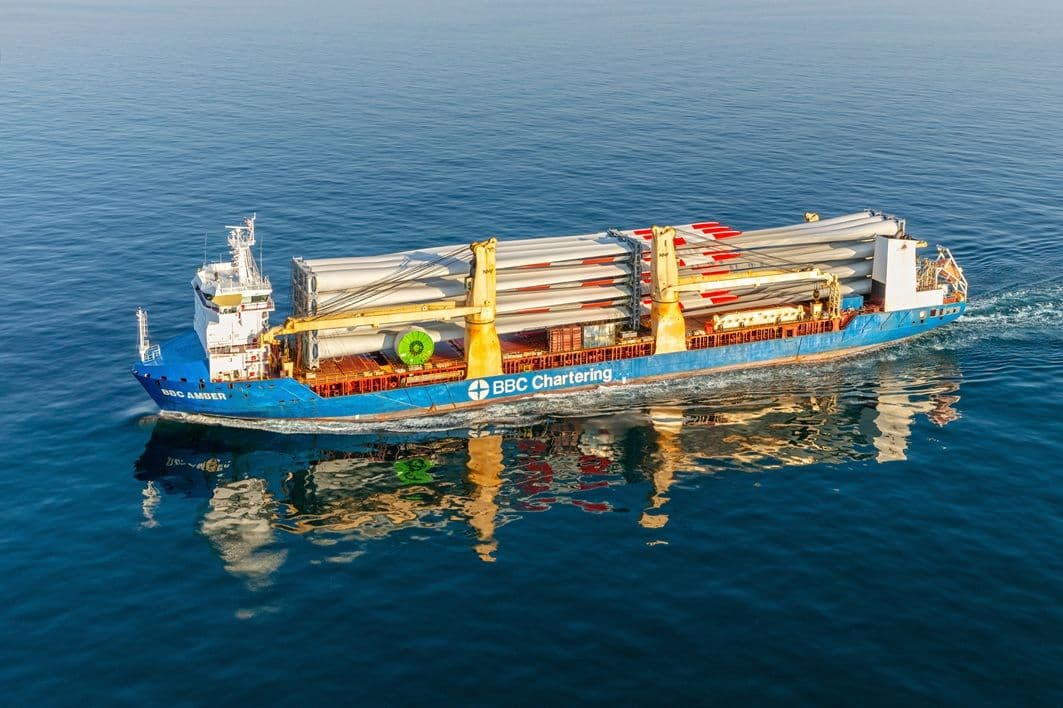
MPV Operators Lash Out Over 'Mind-Blowing' Environment Regulations
The multipurpose vessel (MPV) shipping sector is sounding the alarm. Operators across the industry are growing increasingly vocal about what many are calling a "mind-blowing" web of environmental regulations — rules that, rather than providing a clear path toward a greener future, are creating significant confusion, financial uncertainty, and a near-total freeze in new ship orders. With no agreed direction on which green fuel will ultimately power the MPV fleet of tomorrow, shipowners find themselves caught between regulatory ambition and operational reality.
A Regulatory Tangle With No Clear Exit
At the heart of the frustration is not necessarily the push for sustainability itself — most operators acknowledge and accept the need to decarbonise shipping — but rather the chaotic and overlapping nature of the rules being introduced. From the International Maritime Organization's Carbon Intensity Indicator (CII) and Energy Efficiency Existing Ship Index (EEXI) requirements to the European Union's Fit for 55 package and FuelEU Maritime regulation, shipowners are being asked to comply with multiple, sometimes conflicting frameworks simultaneously.
For large container lines or bulk carriers operating at enormous scale, the administrative and financial burden of navigating these rules is significant but arguably manageable. For MPV operators — many of whom run smaller, more specialised fleets on thinner margins — the cumulative weight of these requirements is proving far more difficult to absorb. Industry representatives have described the regulatory landscape as "mind-blowing" in its complexity, a sentiment that is increasingly widespread at maritime conferences, in boardrooms, and across trade associations.
The problem is not simply the volume of regulation. It is also the lack of coherence. Different jurisdictions are moving at different speeds and in different directions, leaving global operators uncertain about which standards will ultimately prevail and when. Building a ship is a decades-long investment decision. Making that decision in the current climate feels, to many operators, like being asked to bet on a race where the finishing line keeps moving.
The Green Fuel Question Remains Unanswered
Perhaps the most paralysing element of the current environment is the unresolved question of future maritime fuels. Decarbonising shipping necessarily means transitioning away from heavy fuel oil and marine diesel. But transitioning to what, exactly? That is where consensus collapses.
The contenders — liquefied natural gas (LNG), methanol, ammonia, hydrogen, and various bio-based alternatives — each come with their own technical challenges, infrastructure requirements, safety considerations, and cost profiles. None has yet emerged as the clear frontrunner for the MPV sector specifically, where voyage patterns, cargo types, and port call diversity create a different operational profile compared to deep-sea bulk or container trades.
LNG, once seen as a transitional fuel of choice, has faced growing criticism over methane slip and questions about its long-term emissions credentials. Methanol is gaining traction among certain shipowners, but bunkering availability remains geographically patchy. Ammonia is promising on paper but remains technically immature and carries serious safety challenges. Hydrogen is even further from commercial readiness at scale. Meanwhile, biofuels offer a drop-in solution but face scrutiny over feedstock sustainability and supply constraints.
For an MPV operator looking to order a new vessel today — one that will still be trading in 2045 or beyond — choosing the wrong fuel propulsion system is not just a commercial risk; it could be an existential one. The result is that many operators are simply choosing not to order at all.
New Ship Orders Grind to a Halt
The practical consequence of this regulatory and fuel uncertainty is a marked slowdown in MPV newbuilding activity. Orderbooks that might, under normal market conditions, be filling up in response to healthy freight rates and strong cargo demand are instead sitting largely empty. The rationale is straightforward: why commit hundreds of millions of dollars to a vessel design and propulsion system that may be rendered obsolete — or non-compliant — within a decade?
This investment freeze carries long-term consequences. The existing MPV fleet is ageing. Without a pipeline of new vessels entering service, the industry risks a capacity crunch in the years ahead — one that could drive up freight rates, reduce service reliability, and ultimately harm the industries that depend on MPV shipping to move project cargo, heavy lifts, and specialised equipment around the world.
Shipyards, too, are feeling the effects. Without orders to fill, yards face difficult decisions about capacity, workforce, and the investment required to tool up for whatever green-fuel vessels eventually come to market.
What the Industry Is Calling For
Operators are not asking for deregulation. Most accept that the shipping industry must play its part in meeting global climate targets. What they are asking for is clarity, consistency, and coordination. Specifically, the industry is urging regulators — at the IMO level and within regional bodies like the EU — to align their frameworks and provide a coherent, technology-neutral pathway that allows shipowners to make long-term investment decisions with confidence.
There is also a growing call for greater industry-regulator dialogue, with operators at the table during the rule-making process rather than being handed completed frameworks and told to comply. Given that MPV operators are dealing with genuinely unique operational challenges compared to other shipping segments, sector-specific engagement is seen as essential rather than optional.
A Sector at a Crossroads
The MPV sector has always been characterised by its flexibility, versatility, and ability to adapt to shifting trade demands. But adaptability has its limits when the rules of the game are changing faster than ships can be designed, financed, and built. Without a clearer green fuel roadmap and a rationalisation of the regulatory landscape, the current standoff between environmental ambition and commercial reality is unlikely to resolve itself soon — and the costs of continued inaction will be borne across the entire maritime supply chain.
The message from MPV operators is clear: they want to be part of the green transition. They just need someone to tell them which road to take.