
Obama Presidential Center Grand Opening: A Historic Moment for the Nation
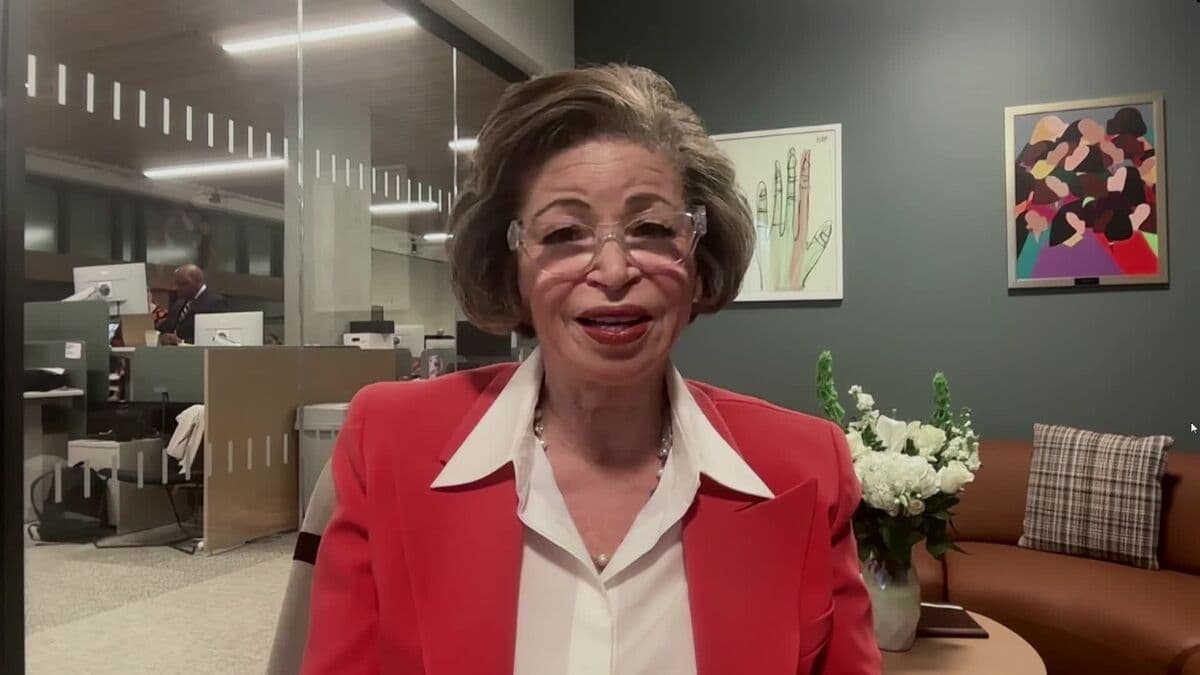
After years of planning, community engagement, and anticipation, the Obama Presidential Center has officially opened its doors — and the moment could not be more significant. On June 16th, Valerie Jarrett, CEO of The Obama Foundation, sat down with Bloomberg's Romaine Bostick and Katie Greifeld on The Close to discuss what this milestone means, not just for the Obama legacy, but for the United States at a critical and complex point in its history. Her remarks painted a picture of an institution built not merely to honor a former president, but to actively shape the future of civic life in America.
Who Is Valerie Jarrett and Why Does Her Voice Matter?
Valerie Jarrett is one of the most recognizable figures in modern American politics and civic leadership. As a former Senior Advisor to President Barack Obama — a role she held throughout his entire eight-year presidency — Jarrett was widely regarded as one of his closest and most trusted confidants. Today, as CEO of The Obama Foundation, she continues to translate the values and vision of the Obama years into tangible programs, institutions, and community investments.
Her decision to speak publicly about the Presidential Center's opening on a major financial and news platform like Bloomberg underscores just how significant this event is considered to be, not only politically and culturally, but economically and institutionally as well. Jarrett's perspective carries weight because she has been at the intersection of policy, community, and legacy for decades.
What Is the Obama Presidential Center?
Located on the South Side of Chicago — the same community where Barack Obama began his career as a community organizer — the Obama Presidential Center is a transformative campus that goes far beyond the typical presidential library model. The center is designed to be a living, breathing civic hub, not a static museum frozen in time.
The campus includes a museum dedicated to the Obama presidency, as well as community programming spaces, gardens, athletic facilities, and areas specifically designed to engage young people in leadership and civic participation. The Obama Foundation has consistently emphasized that this is a center for the community, not simply one placed within it. That distinction matters enormously as urban development projects in historically underserved areas are frequently scrutinized for their impact on local residents.
Why the Timing of This Opening Matters
In her Bloomberg interview, Jarrett specifically highlighted the importance of this opening at this particular point in the country's history. That framing is both deliberate and telling. The United States is navigating a period of deep political polarization, ongoing debates about democratic norms, and widespread civic disengagement, particularly among younger generations.
Against this backdrop, the opening of a center explicitly dedicated to civic engagement, community empowerment, and the ideals of public service takes on added urgency. Jarrett's comments reflect a belief held widely within the Obama Foundation that institutions like this one can serve as counter-weights to cynicism and division — places where people can gather, learn, and be inspired to participate in the democratic process.
The South Side of Chicago, where the center is rooted, also carries its own historical and symbolic weight. This is a community that has long been overlooked in terms of public and private investment. A world-class civic institution anchored in this neighborhood sends a message about whose communities deserve investment and what kind of legacy a presidency can leave at the local level.
The Obama Foundation's Broader Mission
The Presidential Center is the most visible expression of The Obama Foundation's work, but it is far from the only one. The Foundation runs several leadership development programs targeting young people around the world, with a particular focus on emerging leaders in underrepresented communities. These include the Obama Leaders program, which has engaged thousands of young changemakers across multiple continents, as well as domestic initiatives centered on civic engagement and economic mobility.
Jarrett has been instrumental in expanding these programs and ensuring that the Foundation's work remains both globally relevant and locally grounded. Her leadership reflects a philosophy that presidential legacies are not built through monuments alone, but through the ongoing work of empowering others to lead.
What Visitors Can Expect at the Obama Presidential Center
For those planning to visit, the Obama Presidential Center offers a rich and layered experience. Key highlights of the campus include:
- The Museum Tower: A striking architectural centerpiece housing exhibits that chronicle the Obama presidency, its key decisions, historic achievements, and the cultural moments that defined eight years in the White House.
- The Forum: A multipurpose building designed to host community events, public programs, and Foundation-run leadership initiatives throughout the year.
- The Library and Reading Room: A space dedicated to learning and reflection, open to the public and designed to encourage engagement with history and ideas.
- Outdoor Spaces and Gardens: Beautifully landscaped grounds that restore and revitalize Jackson Park, offering green space for the surrounding South Side community.
- Athletic and Recreation Facilities: Including a field house intended to serve local youth and families, reinforcing the Foundation's commitment to the community's everyday quality of life.
A Legacy Built for the Future
Perhaps what resonates most from Valerie Jarrett's Bloomberg interview is the forward-looking nature of this project. Too often, presidential libraries and centers are understood as backward-facing — places where the past is preserved and celebrated. The Obama Presidential Center, as Jarrett describes it, is something different: an institution oriented toward what comes next.
By investing in the next generation of civic leaders, by anchoring itself in a community that reflects the lived experiences of millions of Americans, and by opening at a moment when the nation is grappling with questions about its own democratic health, the Obama Presidential Center positions itself as more than a monument. It positions itself as a participant in the ongoing American story.
As the center opens its doors and welcomes its first visitors, the conversation Valerie Jarrett sparked on Bloomberg serves as a reminder of what public institutions can and should aspire to be — not relics of the past, but engines for a more engaged, more equitable, and more hopeful future.