
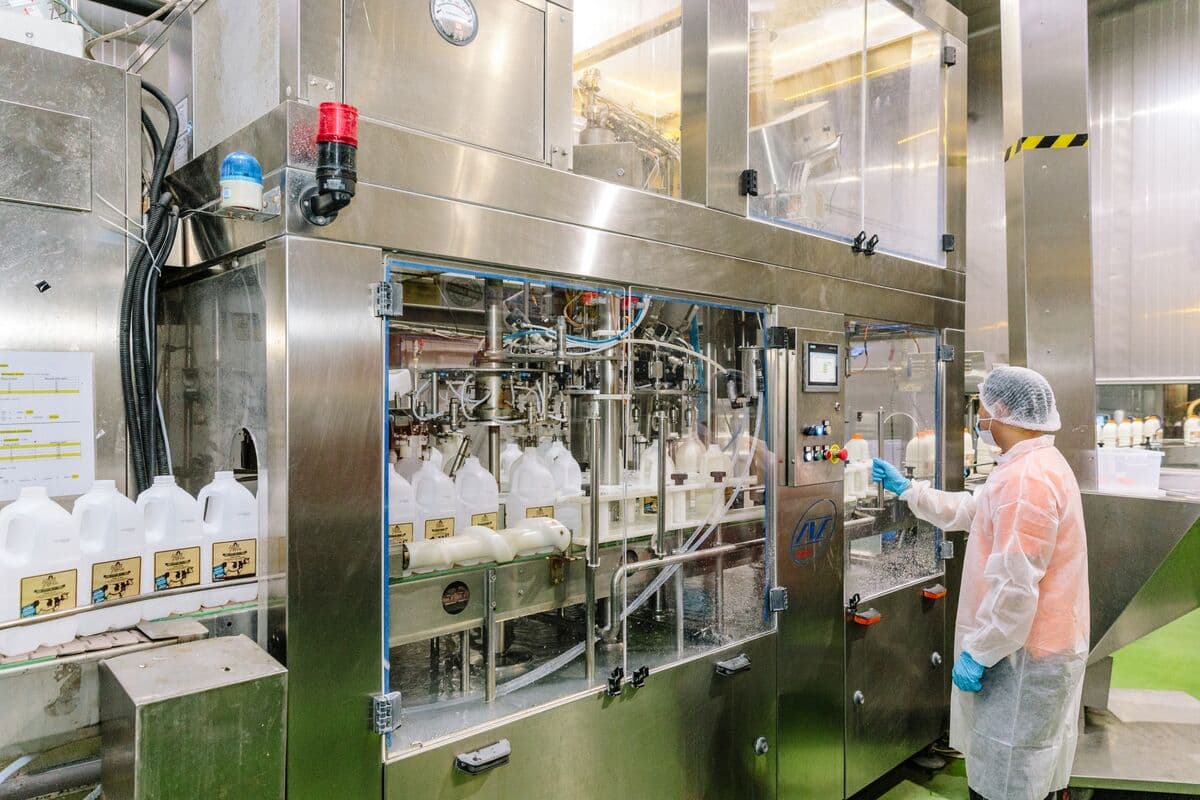
Plastics Shortages Are Keeping Food Prices High — Here's Why It Matters
If you have noticed your grocery bill creeping upward in recent months, you are not imagining things. Across Asia, consumers are feeling the squeeze of rising food prices — and one of the lesser-discussed culprits is a severe shortage of plastics used in food packaging. Triggered in large part by disruptions stemming from the Iran war, this supply chain crisis is proving far more persistent than many analysts initially expected. Economists and industry insiders now warn that elevated food costs are unlikely to ease for several more months, leaving hundreds of millions of households to absorb the financial burden.
The Link Between War, Plastics, and Your Grocery Bill
At first glance, geopolitical conflict in the Middle East and the price of vegetables at your local market may seem entirely unrelated. But in today's tightly interconnected global economy, the distance between a petrochemical plant and a supermarket shelf is shorter than most people realize.
The Iran war created severe disruptions to the production and distribution of key petrochemical feedstocks — the raw materials from which a wide range of plastics are derived. Many of the resins and polymers used to manufacture food-grade packaging, including polyethylene, polypropylene, and polyethylene terephthalate (PET), rely on supply chains that run through or adjacent to conflict-affected regions. When those supply lines were severed or constrained, manufacturers around the world faced an immediate shortfall in the materials they depend on to package everything from fresh produce to processed goods.
The ripple effects were swift and significant. Packaging manufacturers raised their prices to offset soaring input costs. Food producers and processors, already operating on thin margins, had little choice but to pass those costs downstream. Retailers followed suit, and consumers at every income level found themselves paying more for staples they had previously taken for granted.
Why Asia Is Feeling the Impact Most Acutely
While the plastics shortage is a global issue, Asian markets are experiencing some of the steepest and most sustained price pressures. There are several reasons for this regional concentration of pain.
- Heavy reliance on imported petrochemicals: Many Asian nations import significant volumes of plastics and chemical feedstocks. With global supply tightened and shipping costs elevated, procurement costs for packaging materials have surged dramatically across Southeast Asia, South Asia, and East Asia alike.
- Complex cold chain and distribution networks: In Asia, food travels long distances from farm to table, often passing through multiple intermediaries. Each step in that journey depends on reliable, affordable packaging to preserve freshness, maintain hygiene, and meet regulatory standards. When packaging becomes expensive or scarce, inefficiencies multiply throughout the entire food supply chain.
- Price-sensitive consumer base: Across much of Asia, food represents a disproportionately large share of household expenditure compared to wealthier Western nations. Even modest increases in grocery costs translate into meaningful financial strain for low- and middle-income families.
- Limited domestic petrochemical capacity: While some Asian nations have invested heavily in domestic petrochemical production, many still lack sufficient capacity to replace imported feedstocks quickly. Building out that infrastructure takes years, not months.
How Food Packaging Costs Drive Inflation Beyond the Shelf
It is easy to underestimate how central packaging is to the modern food system. Long before a product reaches a consumer's hands, plastic plays a critical role at virtually every stage of production, storage, and transport.
Farmers use plastic films, bags, and containers to protect harvested crops from contamination and spoilage. Processing facilities rely on packaging materials to maintain sanitary conditions and extend shelf life. Distributors and logistics operators depend on sturdy, cost-effective packaging to move goods efficiently across vast distances without damage. Remove affordable, accessible plastics from that equation, and the entire system becomes slower, more wasteful, and more expensive.
Food waste is another compounding factor. When packaging is unavailable or unaffordable, producers are forced to use substandard alternatives or reduce packaging altogether. This leads to higher spoilage rates, which further tighten supply and place additional upward pressure on prices. In some markets, analysts estimate that packaging shortfalls have contributed indirectly to food waste levels rising by double-digit percentages — a development that worsens food security precisely when consumers can least afford it.
What Industry Experts Are Saying About the Timeline
The outlook for near-term relief is sobering. Supply chain analysts and packaging industry experts largely agree that the plastics shortage will not resolve quickly. Rebuilding disrupted supply chains takes time, and alternative sourcing arrangements — even when viable — require months of negotiation, qualification, and logistical adjustment.
Some manufacturers are exploring bio-based and recycled plastic alternatives, though scaling those solutions to meet the volume demands of the food industry remains a formidable challenge. Others are lobbying governments for emergency measures, including tariff relief on imported feedstocks and accelerated approval of domestic production capacity.
In the meantime, food producers and retailers are urging patience while quietly absorbing what costs they can to avoid alienating consumers already stretched thin.
What Consumers Can Do Right Now
While macroeconomic forces are largely outside any individual's control, there are practical steps consumers can take to manage rising food costs during this period of elevated pricing.
- Buy in bulk where feasible to reduce per-unit packaging costs and take advantage of wholesale pricing.
- Prioritize loose or minimally packaged produce from local markets, which are often less exposed to global packaging cost pressures.
- Reduce food waste at home through better meal planning, proper storage, and creative use of leftovers — making every purchase go further.
- Stay informed about price trends and government relief measures that may offer temporary assistance to households under financial pressure.
The Bigger Picture: Supply Chain Resilience in a Volatile World
The current plastics shortage and its cascading effect on food prices serve as a stark reminder of how vulnerable modern supply chains remain to geopolitical shocks. The Iran war may have been the triggering event, but the underlying vulnerabilities — concentrated supply sources, lean inventories, and limited redundancy — were built into the system long before the conflict began.
For policymakers, the crisis underscores an urgent need to invest in supply chain diversification, domestic production capacity, and strategic reserves of critical industrial materials. For businesses, it highlights the value of long-term supplier relationships, flexible procurement strategies, and innovative approaches to materials management. And for consumers across Asia, it is a painful but important lesson in just how interconnected — and fragile — the systems that feed us truly are.
Until the supply of affordable packaging materials is restored to pre-war levels, grocery bills across the region are likely to remain stubbornly elevated. Awareness of the root causes, however, is the first step toward demanding the systemic changes needed to prevent the next disruption from hitting so hard.