
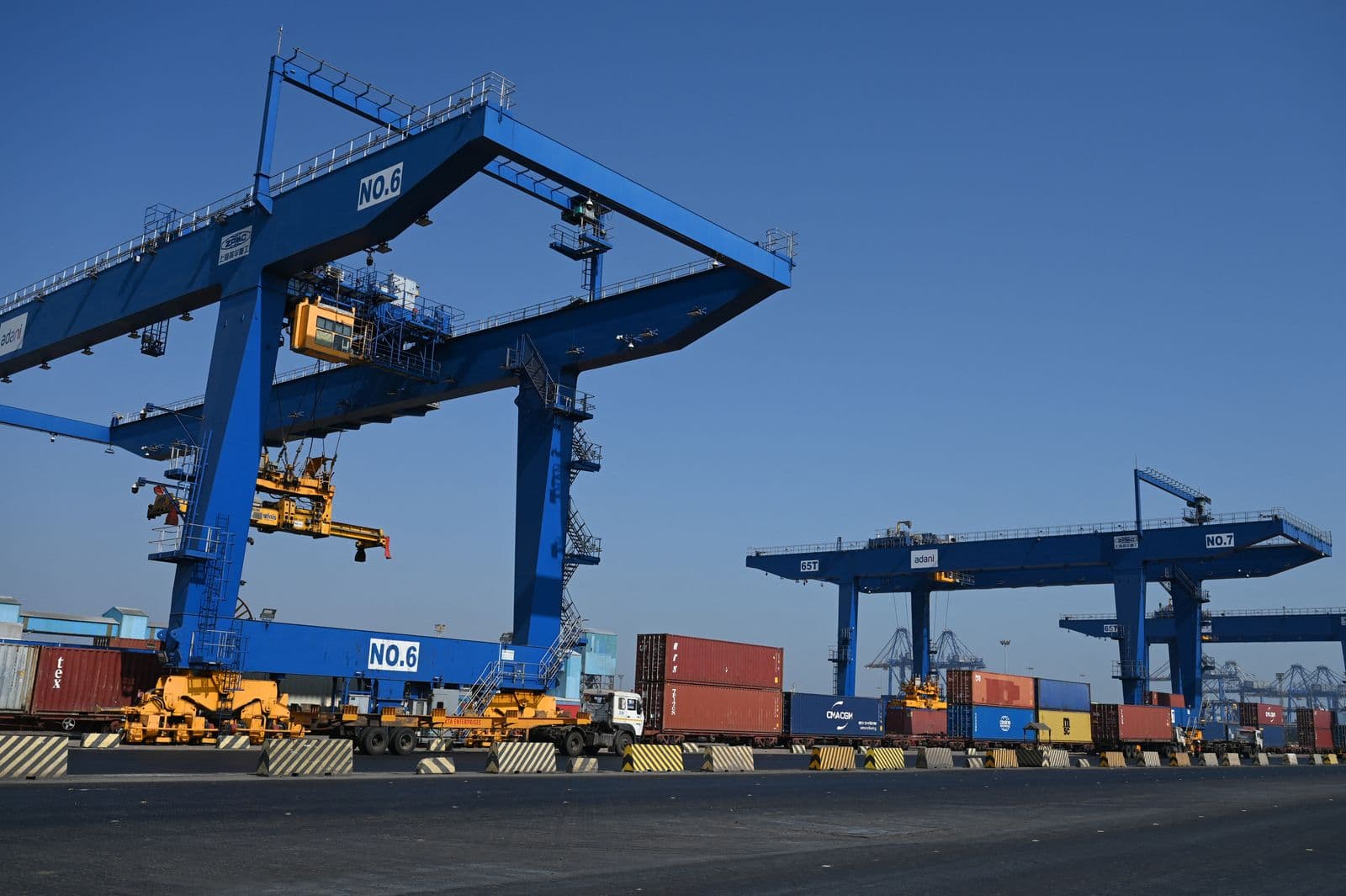
Rail Congestion at Mundra Port Is Compounding Inland Freight Delays
India's busiest container port is under mounting pressure. Ocean carriers are now formally warning shippers to brace for additional costs and extended transit times for cargo moving through Mundra Port, located on the northwestern coast of Gujarat. The root cause is a significant influx of transshipment cargo that has been rerouted away from Middle Eastern hubs due to the ongoing regional conflict. As vessels avoid traditional routes through the Red Sea and the Gulf of Aden, major transshipment nodes in the Middle East have experienced severe congestion — and the overflow is being felt thousands of miles away, deep inside India's inland freight network.
Why Mundra Port Is at the Center of This Disruption
Mundra Port, operated by Adani Ports and Special Economic Zone (APSEZ), handles more container volume than any other port in India. Its strategic position on the Arabian Sea makes it a natural gateway for cargo moving between Europe, the Middle East, and South Asia. Under normal circumstances, that geographic advantage is a significant asset. Under current conditions, however, it has made Mundra the primary pressure point absorbing rerouted transshipment flows that previously moved through ports like Jebel Ali in the UAE or Salalah in Oman.
As these Middle Eastern hubs grapple with their own capacity constraints, shipping lines have redirected large volumes of transshipment cargo to alternative ports — and Mundra has absorbed a disproportionate share. The result is a terminal environment where yard density is rising, vessel turnaround times are stretching, and the downstream rail and road networks connecting Mundra to India's interior are struggling to keep pace.
How Rail Congestion Is Making the Problem Worse
For importers and exporters relying on inland connectivity, rail is the backbone of cargo movement from Mundra to major consumption and production hubs such as Delhi, Ahmedabad, Ludhiana, and Mumbai. The port is served by a dedicated freight corridor infrastructure that, under normal circumstances, offers relatively efficient transit. But the sudden spike in inbound container volumes has created a logjam that the rail network was not designed to absorb at this pace.
Containers are sitting longer in the terminal waiting for rail placement. Rake availability — the number of freight train wagons ready for loading — has not kept up with demand. Inland container depots (ICDs) and container freight stations (CFSs) that serve as the final destination for many rail shipments are themselves experiencing backlogs, further slowing the return of empty equipment to the port. This creates a cyclical bottleneck: full containers cannot move inland quickly enough, empty containers are not returning fast enough, and new incoming cargo has fewer available slots to occupy.
Carrier Surcharges and Cost Implications for Shippers
Ocean carriers are not absorbing these delays passively. Several major lines have already issued notices to shippers informing them of congestion surcharges and peak season surcharges tied specifically to the Mundra situation. These fees vary by carrier and trade lane but can add meaningfully to the landed cost of goods, particularly for importers dealing in time-sensitive commodities or high-volume consumer goods.
Beyond the surcharges themselves, shippers face indirect costs that are often harder to quantify but equally damaging. These include:
- Extended container detention and demurrage charges as boxes sit in congested terminals or at ICDs beyond the free time allowance.
- Inventory carrying costs driven by unpredictable and elongated transit times.
- Missed delivery windows with downstream customers, particularly in industries such as retail, automotive components, and fast-moving consumer goods.
- The administrative burden of managing exception handling, rerouting, and customer communication across disrupted supply chains.
The Broader Middle East Shipping Disruption and Its Ripple Effects
To understand why Mundra is under this particular strain, it is important to situate the port's challenges within the wider disruption affecting global shipping since late 2023. The escalation of hostilities in the Red Sea region prompted ocean carriers to reroute vessels away from the Suez Canal in large numbers, opting instead for the longer route around the Cape of Good Hope. This decision dramatically increased voyage times and absorbed significant vessel capacity, reducing the number of ships available to maintain schedule reliability on Asia-Europe and Asia-Middle East trade lanes.
The consequences cascaded across the entire maritime supply chain. Transshipment hubs that had long served as critical relay points for cargo consolidation and onward routing found themselves overwhelmed. Container equipment became trapped in wrong geographies. Port call schedules became erratic. And alternative gateways like Mundra, which were already handling strong organic growth in Indian trade volumes, suddenly had to contend with a structural surge in transshipment activity on top of their existing commitments.
What Shippers Should Do Right Now
Supply chain professionals with cargo moving through Mundra should take several immediate steps to mitigate risk and manage exposure.
- Engage your freight forwarder or NVOCC to get a clear picture of current vessel schedules, free time allowances, and any surcharge notices issued by your ocean carrier.
- Review contracts with inland logistics providers to understand cost-sharing arrangements around detention and demurrage in congestion scenarios.
- Build additional buffer time into supply chain planning for any shipments expected to move through Mundra over the coming weeks.
- Monitor carrier advisories closely, as the situation is evolving and service updates may affect your specific port pairs and trade lanes.
- Evaluate whether alternative Indian gateway ports such as Nhava Sheva (Jawaharlal Nehru Port) or Chennai offer more predictable transit options for certain cargo flows during this period.
Looking Ahead: When Will Mundra Congestion Ease?
The honest answer is that relief at Mundra is directly tied to conditions that remain outside the port's control. As long as the Middle East conflict continues to disrupt established shipping lanes and keep transshipment hubs under strain, the overflow to alternative ports like Mundra will persist. Infrastructure investments and operational improvements can absorb some of the pressure over time, but a sudden, large-scale normalization of flows requires geopolitical stability that has not yet materialized.
Shippers and logistics managers should plan for this disruption to remain a live variable in their supply chain calculus through the near to medium term. Building resilience through diversified routing strategies, stronger carrier relationships, and more agile inventory planning will separate well-prepared supply chains from those caught flat-footed as the situation continues to evolve.