
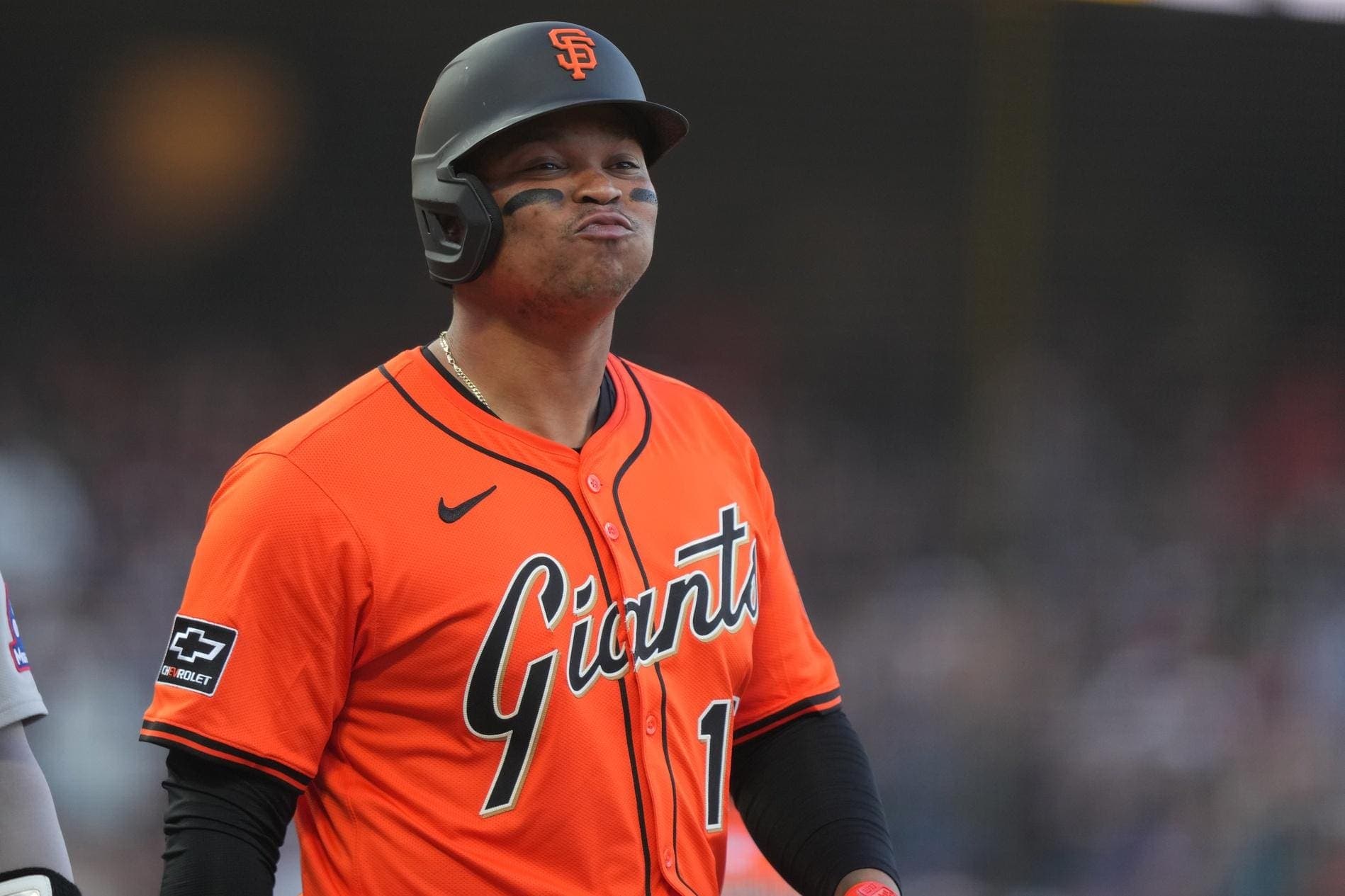
The Hole at Third Base That Boston Can't Fill
When the Boston Red Sox made the stunning decision to trade Rafael Devers to the San Francisco Giants, the baseball world took notice. Devers had been the face of the franchise for years — a powerful left-handed bat, a cornerstone of the lineup, and the undisputed anchor at third base. Trading him was a seismic move, one that signaled a potential roster rebuild and a shift in the Red Sox's long-term strategy. But now, roughly a year removed from that blockbuster deal, Boston finds itself in a frustratingly familiar position: they still do not have a reliable third baseman.
The question that once seemed answerable has lingered well into the following season. Who steps into the shoes of one of the most beloved Red Sox players in recent memory? The answer, as of now, remains elusive — and the situation is becoming harder to ignore with each passing week of the season.
Why the Devers Trade Made Sense at the Time
To understand Boston's current predicament, it helps to revisit why the Red Sox moved Devers in the first place. Despite his prodigious offensive talent and his fan-favorite status at Fenway Park, questions about the long-term financial commitment required to keep him were central to the front office's thinking. Devers had already signed a massive extension, and with the organization eyeing a broader rebuild, trading him to San Francisco in exchange for a package of prospects and controllable assets seemed like a calculated risk.
On paper, the logic was defensible. The Red Sox have a history of making bold, sometimes painful moves in the name of long-term competitiveness. Trading Mookie Betts. Trading Nomar Garciaparra. Both decisions stung at the time but were framed as necessary steps. The Devers trade fell into that same uncomfortable but familiar category — a move that would hurt immediately but theoretically position the franchise for future success.
The problem is that "future success" requires an actual plan to replace what was lost. And at third base, Boston still hasn't executed one.
The Patchwork Solutions That Haven't Worked
In the months following the trade, the Red Sox tried a combination of internal options and low-cost external additions to plug the gap at the hot corner. None of them have stuck. Utility players filling in on a rotating basis, minor league prospects who weren't quite ready for the spotlight, and journeymen brought in on short-term deals have all cycled through the position — producing inconsistency both in the field and at the plate.
Third base has historically been one of the most demanding positions in baseball, requiring a blend of sure-handed defense and reliable offense. Without a true everyday player at the position, Boston's infield alignment has felt incomplete, and opposing pitchers have been able to attack the lineup with less concern. The cumulative effect of a below-average third base situation has been a quiet but persistent drag on the team's performance.
Red Sox fans have watched with growing frustration as other teams have solidified their corners while Boston continues to audition candidates who simply don't measure up to the standard Devers set for nearly a decade.
Could the Giants Provide the Answer?
Here is where the story takes an interesting turn. According to recent reports, the Boston Red Sox may actually be looking back toward San Francisco — the very team they traded Devers to — as a potential source for his replacement. Whether this means exploring a separate deal involving Giants players, or potentially leveraging existing trade relationships between the two front offices, the irony is not lost on anyone paying attention.
The Giants, for their part, have a deep enough roster that dealing from it to address their own needs is not out of the question. Boston and San Francisco already share a recent trade history, which could grease the wheels for further negotiations. It would be an unusual but not unprecedented situation — two franchises finding mutual benefit in a follow-up transaction after a major deal already reshaped both rosters.
Whether Boston is targeting a specific Giants player, seeking a package deal, or simply keeping San Francisco on a list of teams to watch, the notion that Devers's former home could provide his replacement is the kind of storyline that makes baseball's offseason and trade deadline so compelling.
What Boston Needs Going Forward
Beyond the Giants angle, the Red Sox need to approach the third base situation with urgency. Here are the primary avenues available to them:
- Trade market: Boston has the prospect capital from the Devers deal to be aggressive buyers. A proven, controllable third baseman acquired via trade would be the fastest path to stability.
- Free agency: Depending on the timing and availability, targeting a high-floor third baseman in free agency remains a viable option if the right player becomes available.
- Internal development: The Red Sox do have organizational depth, and a prospect pushing for a promotion is always a possibility — though relying on an unproven youngster at a critical position carries its own risk.
- The Giants connection: Pursuing a deal with San Francisco directly is the most narratively loaded option, but if the fit is right, front offices don't let storylines get in the way of good baseball decisions.
The Bigger Picture for the Red Sox Rebuild
The third base situation is ultimately a symptom of a broader challenge Boston faces. Rebuilding a contender is never a clean or linear process, and the Red Sox are navigating that messiness in real time. Trading a generational talent like Rafael Devers creates an immediate void that cannot simply be filled by committee or good intentions. It requires decisive action and a willingness to spend — whether in prospects, payroll, or both.
Boston's front office has shown it is capable of making big swings. Now the fanbase is waiting for the follow-through. The third base hole is real, it is visible, and it is costing the team in small but meaningful ways each and every game. A year after the Devers trade, the clock is ticking louder than ever.
Whether the solution comes from San Francisco or somewhere else entirely, one thing is clear: the Boston Red Sox cannot afford to enter another full season without a true answer at third base. The rebuild needs this piece to move forward — and the time to find it is now.