
The Supreme Court Just Changed the Rules for Freight Brokers
The transportation and logistics industry is no stranger to regulatory disruption, but the latest Supreme Court ruling has sent a particularly powerful shockwave through the freight brokerage sector. For years, federal preemption served as a reliable legal backstop for brokers, effectively shielding them from a wide range of state-level liability claims tied to carrier negligence. That era is now over. The Supreme Court's recent decision has stripped brokers of that sweeping protection, and the compliance, operational, and financial consequences are only beginning to unfold.
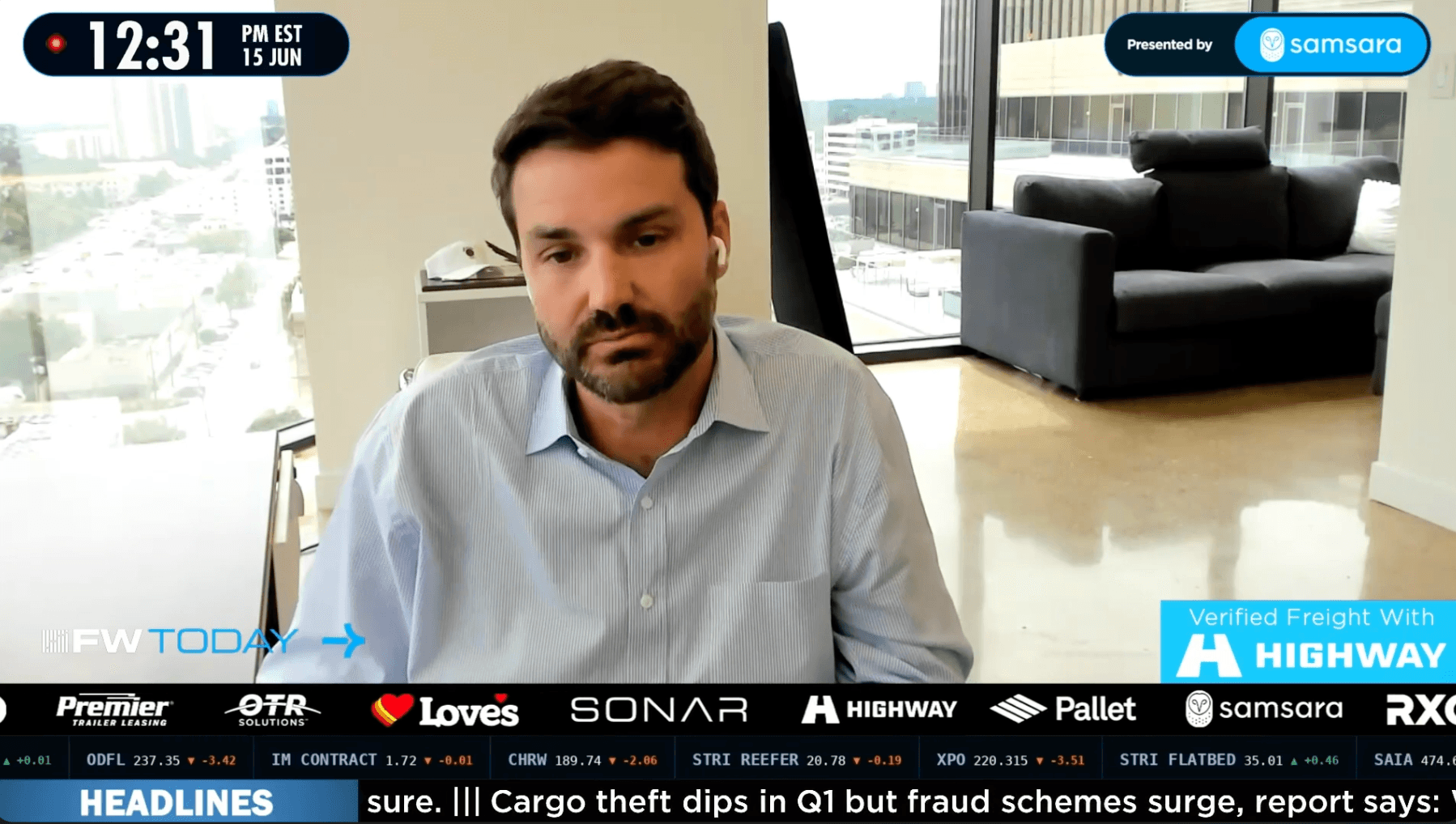
During a recent live broadcast of FreightWaves Today, Highway CEO Jordan Graff broke down what this ruling means in practical terms — and his message was direct: brokers who fail to adapt quickly will be exposing themselves to serious legal and financial risk.
Understanding the End of Federal Preemption as a Legal Shield
Federal preemption, as it applied to freight brokers, was rooted in the Federal Aviation Administration Authorization Act (F4A), which generally prevented states from enforcing laws related to prices, routes, or services of motor carriers and brokers. Brokers frequently relied on this doctrine to defend against personal injury and wrongful death lawsuits filed in state courts — arguing that federal law superseded any state-level claims of negligent hiring or carrier selection.
The Supreme Court's ruling has fundamentally altered that calculus. Safety-related claims can no longer be broadly dismissed under the preemption umbrella. In the Court's view, genuine safety standards occupy a space where state enforcement interests are not automatically overridden by federal commerce policy. The result is a new legal environment in which brokers bear direct, tangible responsibility for the safety profile of every carrier they select and dispatch.
This is not a minor procedural change. It is a structural shift in how liability is assigned across the freight ecosystem, and it demands a proportional response from every broker operating in the market today.
What Brokers Must Do Now: Formal Safety Integration Is Non-Negotiable
According to Graff, the post-ruling reality requires brokers to aggressively integrate formal safety standards directly into their carrier vetting and ongoing auditing processes. Passive monitoring or periodic checks are no longer sufficient. Brokers now need documented, consistent, and defensible frameworks for how they evaluate carrier safety before awarding freight — and how they continue to monitor that safety over time.
Practically speaking, this means brokers should be reviewing and updating their carrier onboarding protocols to include thorough checks of safety scores, inspection history, out-of-service rates, and compliance with Hours of Service regulations. It also means maintaining clear records of every vetting decision, so that if a claim arises, the broker can demonstrate a reasonable and diligent safety review process was followed.
Technology platforms that aggregate carrier safety data, flag risk changes in real time, and maintain audit trails will become essential tools rather than optional conveniences. Brokers who are still relying on manual vetting processes or surface-level database checks will find themselves dangerously exposed under the new legal standard.
Insurance Underwriters Are Already Tightening the Market
The legal shift is already producing ripple effects in the insurance sector. Graff noted that insurance underwriters are now mandating stricter risk profiles for the brokers and carriers they cover. This tightening is not theoretical — it is actively reshaping who can access freight in the current market.
Smaller carriers and newly authorized carrier entities are feeling the pressure most acutely. Without established safety histories, strong compliance records, or verifiable operational track records, these carriers are finding it significantly more difficult to secure freight from brokers who are now, quite rationally, applying more rigorous selection standards to protect themselves from liability.
For the broader freight market, this consolidation of carrier access could affect capacity availability, particularly in niche lanes or during high-demand periods when brokers have historically leaned on newer or smaller fleets to fill gaps. The insurance and legal landscape is effectively functioning as a market filter — one that rewards carriers with proven safety performance and penalizes those without it.
Cargo Fraud Evolves: Credential Hijacking at the Point of Tender
Beyond the SCOTUS ruling, FreightWaves Today also spotlighted a rapidly evolving threat on the fraud front. Cargo theft and identity fraud in the logistics sector are no longer limited to physical theft or basic fleet-level compliance manipulation. International criminal organizations — sometimes referred to as cyber cartels in industry circles — have pivoted to a far more sophisticated model: post-tender credential hijacking.
According to Graff, these bad actors are increasingly targeting unencrypted communications to intercept and hijack legitimate carrier credentials at the precise moment of tendering or pickup. By impersonating an authorized carrier after a load has been awarded, fraudsters can divert shipments before anyone in the transaction chain realizes what has happened. The attack surface is not a warehouse or a truck stop — it is the digital communication layer that brokers and shippers rely on to coordinate freight movement.
Industry Response: Encryption, Verification, and Real-Time Monitoring
In response to this growing threat, industry leaders are calling for enhanced communication security practices across all parties in the freight transaction. Encrypting tender communications, implementing multi-factor verification at the time of pickup, and deploying real-time carrier identity confirmation tools are all measures that forward-thinking brokers and shippers are beginning to require.
The convergence of the SCOTUS ruling and the rise of credential hijacking creates a dual imperative for the freight brokerage industry: brokers must simultaneously strengthen their legal compliance posture and harden their operational security against sophisticated fraud. These are no longer back-office concerns — they are front-line business risks with direct financial and reputational consequences.
The Bottom Line for Freight Brokers and Carriers in 2025
The landscape that emerged from Monday's FreightWaves Today broadcast is one defined by accountability and adaptation. Federal preemption is gone as a reflexive legal defense. Carrier vetting must be rigorous, documented, and ongoing. Insurance markets are tightening in direct response to elevated risk exposure. And a new generation of cargo fraud is exploiting the digital vulnerabilities baked into everyday freight operations.
Brokers and carriers who treat these developments as incremental adjustments risk falling dangerously behind. Those who move decisively — investing in compliance infrastructure, safety-focused carrier relationships, and secure communication protocols — will be better positioned not just to manage liability, but to compete effectively in a market that is rapidly sorting itself by trust, transparency, and operational integrity. The rules have changed. The window to adapt is now.