
South America-US Spot Ocean Rates Are Climbing Fast — Here's Why
If you've been monitoring ocean freight markets in 2025, the South America-to-United States trade lane has become one of the most closely watched corridors in global shipping. Spot rates on this route are rising at a notable pace, driven by two compounding forces: a sustained tightening of available vessel capacity and an aggressive wave of cargo frontloading by Brazilian shippers racing to get goods into the US before a new round of tariffs takes effect next month. For importers, exporters, freight forwarders, and supply chain managers operating on this corridor, understanding the dynamics at play is no longer optional — it's essential for protecting margins and maintaining reliable delivery schedules.
How US Tariffs Set the Stage for Today's Capacity Crunch
The roots of the current rate surge reach back to when the United States imposed a significant round of import tariffs on goods moving through key South American trade lanes. That policy shift had an immediate and lasting impact on carrier behavior. As demand on the route softened in direct response to higher landed costs for US buyers, several major ocean carriers responded by reducing their allocated capacity on South America-US services. Vessels were redeployed to higher-demand corridors, blank sailings increased, and the frequency of direct service on some port pairs was cut back.
The result was a leaner, tighter marketplace. While reduced capacity initially appeared manageable against subdued demand, it left the trade lane with very little buffer — a structural fragility that is now being exposed as demand spikes sharply upward ahead of the next wave of US trade policy changes.
Frontloading: The Race Against the Clock
Brazilian shippers are at the center of the current surge. With a new set of US tariffs scheduled to be implemented next month, importers and exporters are doing what supply chain professionals have learned to do in the face of looming cost increases: they are pulling shipments forward as aggressively as possible. This practice, widely known as frontloading, involves accelerating orders and bookings to ensure cargo arrives in the United States before higher duties apply at the port of entry.
The scale of this frontloading effort should not be underestimated. Brazilian agricultural products, manufactured goods, and raw materials are all contributing to a sudden and concentrated burst of booking activity. Carriers that had trimmed their South America-US capacity are now facing demand volumes that their reduced services were not designed to handle. The mismatch between available vessel space and the volume of cargo seeking to move is the direct engine behind climbing spot rates.
What the Rate Environment Looks Like Right Now
Spot freight rates on the South America-to-US trade lane have moved materially higher in recent weeks. While contract rates negotiated earlier in the year offer some shippers a degree of insulation, spot market participants — including shippers who rely on ad hoc bookings or who have exhausted their contracted allocations — are finding themselves paying substantially more per container to secure space on departing vessels.
Carriers are also reintroducing or raising peak season surcharges and emergency space surcharges on the trade lane, adding another layer of cost pressure on top of already elevated base rates. Freight forwarders report that equipment availability, particularly 40-foot high-cube containers, has become tighter at key Brazilian ports, creating further bottlenecks in the supply chain.
Key Ports and Routes Feeling the Pressure
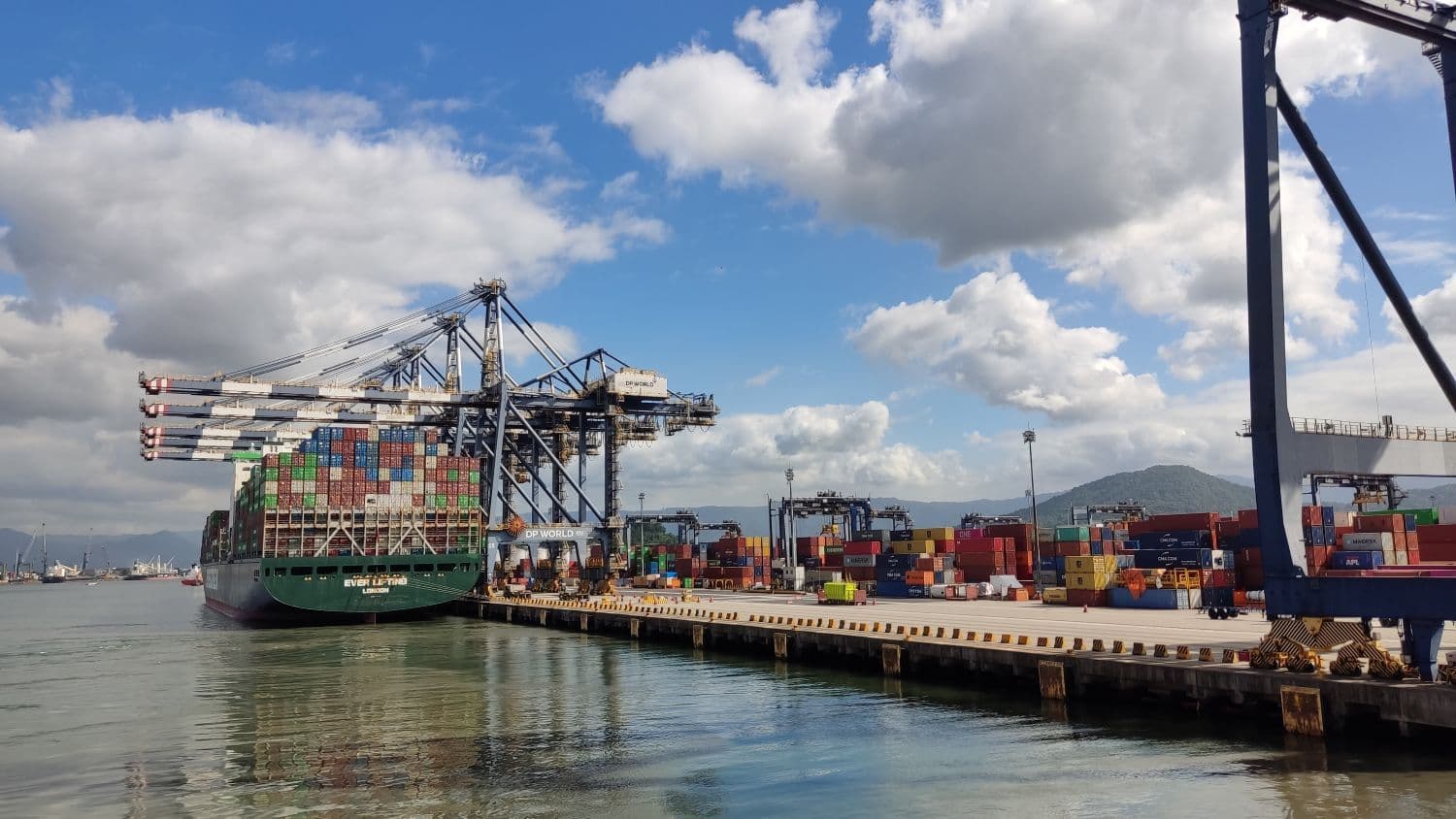
The impact is being felt most acutely at Brazil's largest container ports, including Santos — South America's busiest port — as well as Paranaguá and Rio de Janeiro. US gateway ports on the receiving end, including Houston, Baltimore, and Savannah, are processing elevated inbound volumes from South American origins as the frontloading wave makes its way through the pipeline.
Several carriers have responded by deploying additional capacity on select voyages to capture the rate upside, but these capacity injections take weeks to materialize and are unlikely to be sufficient to fully absorb demand before the tariff implementation date passes. The window for meaningful capacity relief is narrow, and most market observers expect rates to remain elevated through the peak frontloading period.
Implications for Shippers and Supply Chain Managers
For businesses operating on the South America-US corridor, the current environment demands a proactive response. Consider the following strategic priorities:
- Secure space early: With capacity constrained and demand surging, waiting for spot market rates to soften before booking is a high-risk strategy. Locking in space now — even at elevated rates — provides certainty that ad hoc bookings cannot.
- Review contract allocations: Shippers with existing service contracts should verify their allocation volumes with carriers and assess whether those allocations are sufficient to cover accelerated shipment needs during the frontloading period.
- Plan for port congestion: As volumes surge through Brazilian export ports and US import gateways, dwell times and inland transportation lead times may extend. Build additional buffer into delivery schedules to avoid costly delays.
- Monitor tariff announcements closely: The trade policy environment remains fluid. Any adjustment to the scheduled tariff implementation date — whether a delay or an acceleration — would immediately affect frontloading dynamics and spot rate trajectories.
- Explore alternative routings: In some cases, transshipment options or alternative port pairs may offer faster transit times or better space availability than primary direct services.
Looking Ahead: Will Rates Ease After the Tariff Deadline Passes?
History offers a useful guide here. In previous episodes of tariff-driven frontloading — most notably during the US-China trade disputes of 2018 and 2019 — spot freight rates on affected trade lanes experienced sharp spikes ahead of tariff deadlines, followed by noticeable demand pullbacks once the deadlines passed. Shippers who had pulled forward shipments saw their near-term needs largely fulfilled, leading to a period of softer booking activity and, in some cases, rate corrections on spot markets.
A similar dynamic is plausible on the South America-US trade lane once the new tariff round takes effect. However, the degree of any post-deadline rate softening will depend heavily on whether carriers move quickly to right-size capacity after the frontloading wave subsides. If they maintain elevated capacity deployments into a period of lower demand, rates could ease meaningfully. If capacity is pulled back again in response to tariff-suppressed volumes, the market could remain tighter than historical norms suggest.
The Bigger Picture for Ocean Freight Markets
The South America-US spot rate situation is a vivid illustration of how trade policy and freight market dynamics are now inseparably linked. In an era of active tariff policy, shippers and logistics providers must treat regulatory and political developments as first-order inputs into their freight procurement and supply chain planning processes — not as background noise. The carriers, freight forwarders, and shippers who thrive in this environment will be those who build the analytical capabilities and the operational flexibility to respond quickly when policy signals shift. For now, the clock is ticking on this frontloading window, and the spot market on the South America-US trade lane is pricing that urgency in real time.