
Two Powerful Earthquakes Rock Venezuela: What We Know So Far
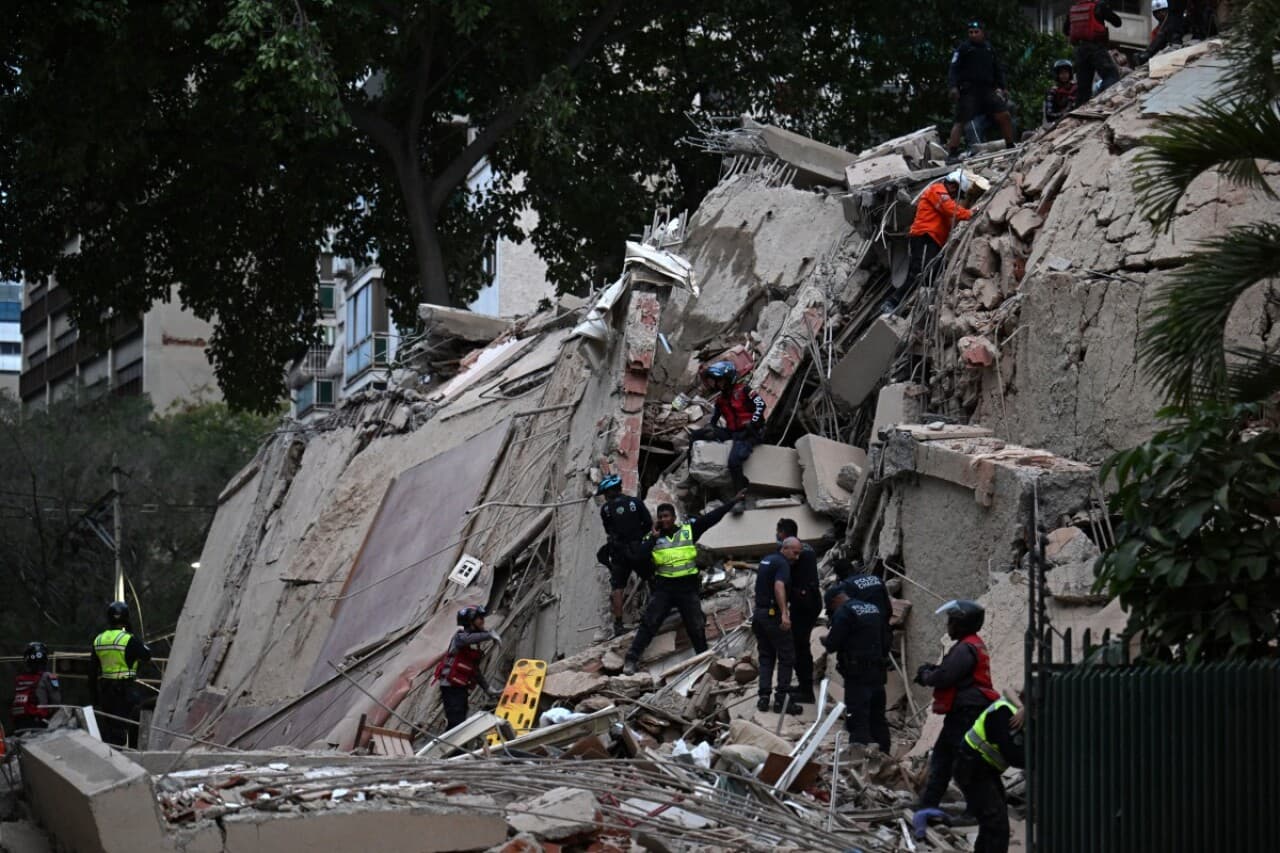
Venezuela was struck by two devastating earthquakes on Wednesday afternoon, with magnitudes of 7.2 and 7.5 respectively, according to the United States Geological Survey (USGS). The seismic events sent shockwaves of panic through the capital city of Caracas, caused structural damage to buildings, triggered power outages across multiple neighborhoods, and were felt as far away as neighboring Colombia. The back-to-back earthquakes, separated by less than a minute, have drawn urgent attention from emergency services, residents, and international observers monitoring the situation closely.
A Rare Seismic Doublet: How the Two Earthquakes Unfolded
The USGS classified the twin seismic events as a "doublet," a relatively rare phenomenon in which two major earthquakes of similar magnitude strike within a very short window of time. According to updated data released by the agency, the first earthquake — initially estimated at magnitude 7.1 before being revised upward to 7.2 — served as a powerful precursor event. It struck just 39 seconds before the main earthquake, which registered at magnitude 7.5 on the Richter scale.
Despite occurring nearly simultaneously in terms of seismic timing, the two events were geographically distinct. The USGS confirmed that the epicenters were located approximately 45 kilometers apart and occurred at different depths beneath the earth's surface. This spatial separation is a defining characteristic of a doublet earthquake sequence, distinguishing it from a traditional mainshock-aftershock pattern. Scientists use doublets to study fault behavior, stress transfer between tectonic structures, and the cascading dynamics of large seismic events.
Scenes of Panic and Destruction in Caracas
In Venezuela's capital city of Caracas, the impact of the earthquakes was immediate and alarming. Eyewitness accounts gathered by AFP journalists painted a vivid picture of chaos and fear as the ground began to shake beneath residents' feet. One of the most dramatic scenes unfolded inside a busy shopping center in the Altamira district, one of Caracas's most populated and commercially active neighborhoods.
According to an AFP reporter present at the scene, store shelves toppled, items rained down from ceilings, and shoppers fled en masse toward exits and open streets. Emergency staircases became the primary escape route for hundreds of people trying to evacuate upper floors of the complex.
Heidi Romero, a 42-year-old merchant who was on the top floor of the shopping center during the earthquake, described the terrifying experience to AFP. "It was incredible — I don't even know how long it lasted," she said. "Things fell in a lot of the shops. We left through the emergency stairs; that's how they got us out."
Odalis Escalona, a 54-year-old bank employee, shared an equally harrowing account. "The staircases broke apart, the whole wall cracked. Things fell from the ceiling. It was horrible," she said. Her testimony underscores the structural vulnerability that large-magnitude earthquakes expose, even in reinforced urban buildings.
Residential Neighborhoods Feel the Force
The earthquakes were not confined to commercial zones. Residential areas across Caracas were also heavily affected, with many apartment buildings and homes sustaining visible damage. Carmen Guédez, a 69-year-old administrator living in a middle-class neighborhood nestled in the mountains surrounding the capital, was lying in bed in her sister's room when the shaking began.
"It kept building in intensity," she told AFP. "I started to see the windows moving, and then everything shook." Her account reflects a common experience among Caracas residents that afternoon — a terrifying escalation from subtle tremors to violent, sustained shaking that left people uncertain whether to shelter in place or flee to open ground.
Dozens of office workers and residents chose to evacuate their buildings entirely, gathering in streets and public spaces as they waited for the shaking to stop and assessed whether it was safe to return inside. Some areas of the city also experienced power outages, compounding the sense of disorientation and vulnerability in the immediate aftermath.
Shockwaves Reach Neighboring Colombia
The force of the earthquakes extended well beyond Venezuelan borders. Residents in neighboring Colombia also reported feeling the tremors, a testament to the exceptional energy released by the back-to-back seismic events. Cross-border seismic impacts of this scale are relatively uncommon and indicate the significant magnitude and shallow depth of the earthquakes involved. Authorities in both countries were placed on alert as emergency response protocols were activated.
Casualties and Structural Damage: Uncertainty Remains
At the time of initial reporting, no confirmed casualty figures were available. Venezuelan authorities and emergency services were still in the early stages of assessing the full extent of damage across affected regions. While no mass casualty events had been officially confirmed, the structural collapse of buildings in Caracas, combined with the widespread nature of the seismic event, raised serious concerns about the potential for injuries or fatalities as search and rescue operations commenced.
Venezuela's existing infrastructure challenges — including aging buildings and limited emergency resources — make large-scale seismic events particularly dangerous. International aid organizations and regional governments were monitoring developments closely, ready to offer assistance if the situation demanded it.
What Makes Venezuela Seismically Vulnerable?
Venezuela sits along a complex network of tectonic boundaries, particularly in its northern and western regions, where the Caribbean Plate interacts with the South American Plate. This geological setting makes the country susceptible to significant seismic activity, especially in areas close to the coast and major mountain ranges. Historical earthquakes have struck Venezuelan cities before, most notably the devastating Caracas earthquake of 1967, which caused widespread destruction and remains a benchmark event in the country's seismic history.
- Venezuela lies along the boundary between the Caribbean Plate and South American Plate, creating an active seismic zone.
- Northern Venezuela, including Caracas, is among the highest-risk regions in the country for major earthquake activity.
- The USGS continuously monitors seismic activity in the region and provides real-time magnitude updates as data is refined.
- Doublet earthquakes like those recorded on Wednesday are scientifically significant, as they offer unique insights into fault mechanics and stress distribution.
- Power outages and structural damage often compound the humanitarian impact of major earthquakes in urban areas with aging infrastructure.
Emergency Response and the Road Ahead
As daylight faded following the twin earthquakes, Venezuelan emergency services were working to conduct safety inspections of damaged structures, reconnect disrupted utility services, and ensure that residents in the most severely affected areas had access to shelter and support. Communication infrastructure played a critical role in coordinating relief efforts, though temporary outages in some areas slowed response times.
The international community, including regional neighbors and global seismological organizations, continued to track aftershock activity in the hours following the main events. Aftershocks — smaller seismic events that follow a major earthquake — are common and can themselves pose dangers to already-weakened structures. Residents were advised to remain cautious, avoid damaged buildings, and follow guidance from local civil protection authorities.
The events of Wednesday serve as a stark reminder of Venezuela's ongoing seismic risk and the critical importance of disaster preparedness, resilient infrastructure, and robust emergency response systems in earthquake-prone regions. As information continues to emerge, the full human and structural toll of these two powerful earthquakes will become clearer in the days ahead.