
Baltimore Port Chief Jonathan Daniels Steps Down After Key Bridge Recovery Efforts
Jonathan Daniels, the executive director of the Maryland Port Administration, is leaving Baltimore to take on a new professional opportunity in Miami. His departure comes after a tenure of just over two years — a relatively brief stint that nonetheless proved to be one of the most consequential leadership periods in the port's modern history. Daniels played a central role in coordinating the complex state and federal recovery efforts required to reopen the Port of Baltimore following the catastrophic collapse of the Francis Scott Key Bridge in March 2024.
His exit marks the end of a chapter for a port still working through the long-term implications of that disaster, and raises important questions about leadership continuity at one of the East Coast's most strategically significant maritime hubs.
Who Is Jonathan Daniels?
Jonathan Daniels arrived at the Maryland Port Administration with a strong background in port operations and maritime commerce. Appointed to lead one of the busiest ports on the Atlantic seaboard, Daniels was quickly thrust into a crisis that would test even the most seasoned port executive. Despite serving for only about two years, his name became closely associated with the unprecedented recovery effort that followed the Key Bridge disaster — an effort that drew national and international attention.
During his time in Baltimore, Daniels worked to build and maintain relationships with federal agencies, shipping companies, labor unions, and state government officials. These partnerships proved essential when rapid, coordinated action became necessary in the wake of the bridge collapse. His ability to navigate the bureaucratic and logistical complexities of disaster response earned him considerable recognition within the maritime industry.
The Francis Scott Key Bridge Collapse: A Defining Crisis
On March 26, 2024, the Francis Scott Key Bridge collapsed after being struck by the container ship Dali, killing six construction workers and sending shockwaves through the global shipping community. The disaster effectively shut down the Port of Baltimore, blocking the main shipping channel and halting billions of dollars in trade.
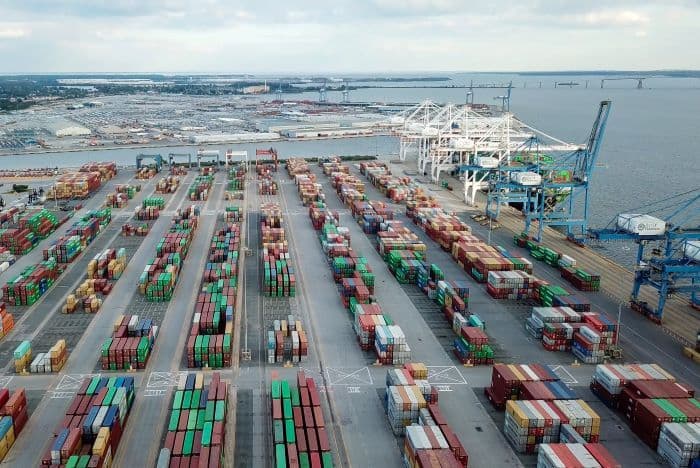
The Port of Baltimore is a critical node in the U.S. supply chain, handling significant volumes of automobiles, farm equipment, coal, and other bulk cargo. Its sudden closure threatened not only Maryland's economy but also broader supply chains that depend on the port's unique capabilities. The urgency to restore operations was immense.
Daniels quickly became one of the most visible faces of the recovery operation, working alongside the U.S. Army Corps of Engineers, the U.S. Coast Guard, and a host of state and federal officials to clear the wreckage and reopen the channel to commercial traffic. The main shipping channel was reopened in late June 2024, a timeline that many observers praised as faster than initially expected given the scale of the destruction.
Coordinating a Massive Federal and State Recovery Response
The complexity of reopening the Port of Baltimore cannot be overstated. Recovery efforts required the removal of enormous steel wreckage from the collapsed bridge, the coordination of controlled demolition, the management of vessel traffic in a congested waterway, and the constant communication with stakeholders ranging from individual longshoremen to senior federal officials in Washington, D.C.
Daniels served as a key liaison throughout this process, ensuring that the Maryland Port Administration's operational expertise was integrated into the broader recovery framework. Under his watch, the port demonstrated resilience and organizational capacity that won praise from state leaders, including Maryland's governor, as well as from federal partners who worked alongside the port's team.
His leadership during this period is widely credited with helping minimize the long-term economic damage that could have resulted from a more prolonged closure. The port's return to full operation was a significant achievement — one that will likely define Daniels's professional legacy regardless of where his career takes him next.
What the Departure Means for Baltimore's Port
Transitions at the top of major port authorities always carry a degree of uncertainty, particularly when the departing leader has steered the organization through a defining moment. For the Port of Baltimore, Daniels's departure raises several important considerations.
- Leadership continuity: The Maryland Port Administration will need to find a successor who can maintain the momentum built during the recovery phase and continue building federal and private-sector relationships.
- Ongoing recovery work: While the shipping channel has been reopened, the full replacement of the Francis Scott Key Bridge remains a long-term infrastructure undertaking. Port leadership will need to remain engaged with that process.
- Economic competitiveness: Ports along the East Coast compete vigorously for shipping contracts and cargo volume. Strong executive leadership is essential to keeping Baltimore competitive in that environment.
- Workforce and labor relations: Maintaining productive relationships with dockworkers, unions, and terminal operators requires steady leadership and institutional knowledge.
Maryland officials will need to move quickly to identify and appoint a qualified successor who can build on the foundation Daniels helped establish.
Daniels Heads to Miami: A New Chapter in Maritime Leadership
While specific details about Daniels's new role in Miami have not been fully disclosed, the move signals that his profile within the maritime industry has grown substantially during his time in Baltimore. Miami is home to one of the most dynamic port environments in the Western Hemisphere, with PortMiami serving as a major hub for both cruise ship operations and cargo traffic connecting the Americas.
A leadership role in Miami would offer Daniels new challenges and opportunities in a high-visibility, high-stakes maritime market. His experience managing crisis response, coordinating with federal authorities, and overseeing operations at a major commercial port makes him a compelling candidate for senior roles in the industry.
A Legacy Built in Crisis
Jonathan Daniels may have been Baltimore's port chief for only a little over two years, but the circumstances of his tenure ensured that his impact would be felt far beyond what the timeline might suggest. Leading a port through the aftermath of one of the most dramatic maritime infrastructure disasters in recent American history required not just technical expertise, but calm under pressure, political acumen, and genuine leadership.
As he moves on to his next chapter in Miami, Baltimore's maritime community will look back on his tenure as a pivotal period — one defined by tragedy, resilience, and ultimately, recovery. The Port of Baltimore is open, competitive, and forward-looking in large part because of the work done during his watch.