
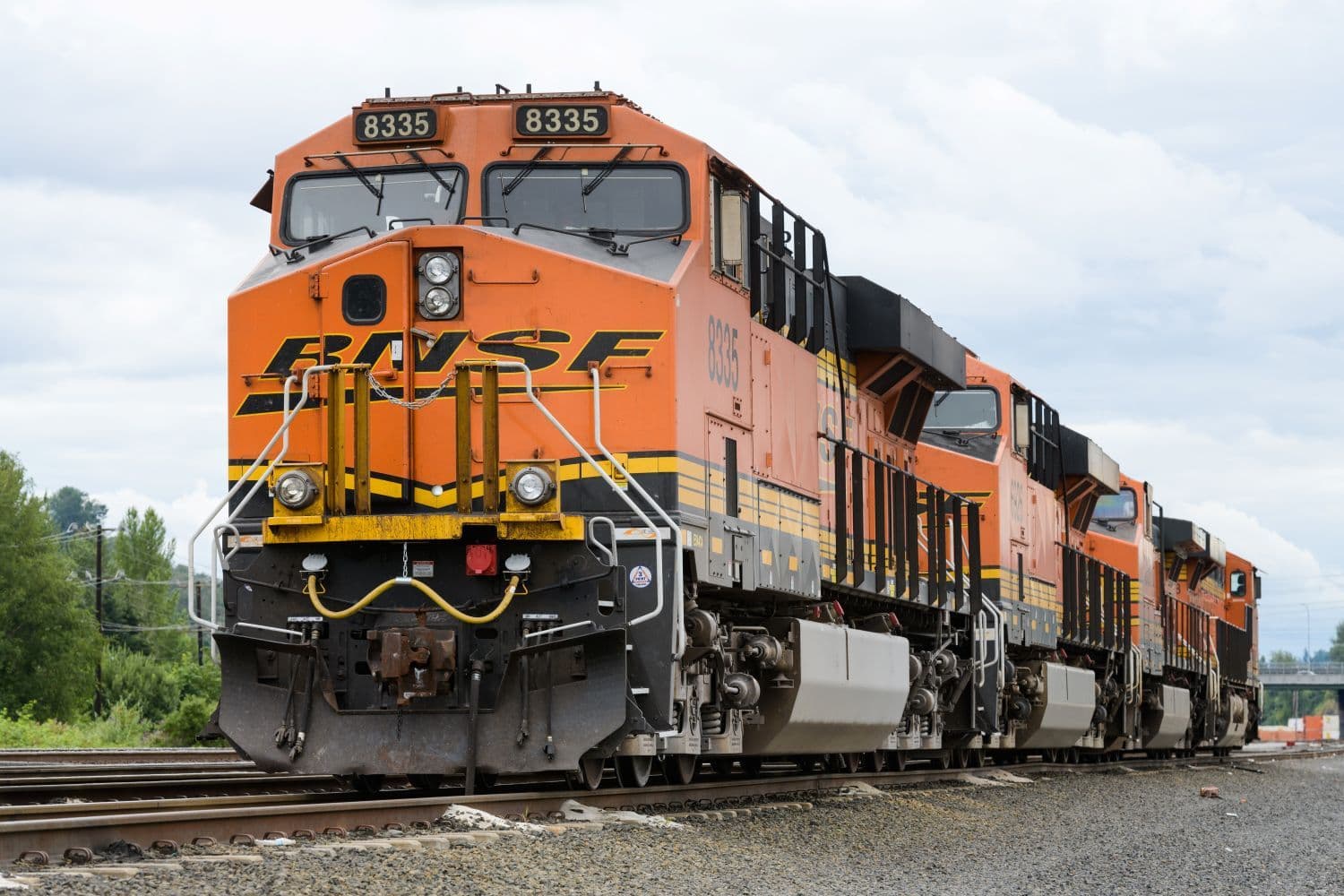
BNSF Gets Approval to Develop Barstow Transloading Hub in Southern California
In a landmark development for American freight logistics, BNSF Railway has received official approval to develop a massive transloading facility in Barstow, California. The proposed site, spanning an enormous 4,500 acres in the heart of Southern California's high desert, is positioned to become one of the most strategically significant inland logistics hubs in the United States. By serving as a central transfer point where ocean shipping containers are moved into 53-foot domestic boxes — and as a staging area for international freight — this project stands to fundamentally reshape supply chain operations across North America.
What Is the Barstow Transloading Hub?
The Barstow facility is designed to function as a large-scale inland port, a concept that has gained considerable traction as importers, retailers, and logistics providers seek smarter, faster, and more cost-efficient ways to move goods from port to final destination. At its core, the hub will perform transloading: the process of transferring cargo from one container type to another. In this case, international ocean containers — typically 20-foot or 40-foot ISO units — will be unloaded and repacked into 53-foot domestic intermodal containers, which are the standard size used on North American rail and trucking networks.
This seemingly simple transfer carries enormous logistical value. Domestic 53-foot containers carry more freight per unit than their smaller ocean counterparts, allowing rail operators like BNSF to maximize capacity and reduce the number of individual shipments required to move the same volume of goods. The result is greater efficiency, lower cost per unit, and a more streamlined supply chain from coast to interior.
Why Barstow? The Strategic Geography of the Site
Barstow's location is not accidental. Situated roughly 140 miles northeast of the Ports of Los Angeles and Long Beach — the busiest port complex in the United States — Barstow sits at a natural intersection of major rail corridors and interstate highways. BNSF already operates critical rail infrastructure through the region, making it a logical choice to anchor a next-generation logistics campus.
By placing the transloading hub inland rather than directly adjacent to the ports, BNSF aims to relieve some of the chronic congestion that plagues Southern California's coastal terminals. When container volumes surge — as they famously did during and after the COVID-19 pandemic — port terminals can become bottlenecks that delay cargo for days or even weeks. An inland hub like Barstow creates a relief valve, allowing freight to be moved away from the congested port environment and processed in a more controlled, higher-capacity setting.
Additionally, Barstow's position along BNSF's transcontinental mainline means that once containers are transloaded into 53-foot domestic boxes, they can be quickly dispatched eastward to major distribution markets including Chicago, Dallas, Kansas City, and beyond.
Transloading vs. Traditional Intermodal: Understanding the Difference
To appreciate the significance of the Barstow hub, it helps to understand how it differs from conventional intermodal operations. In a traditional intermodal model, an ocean container arriving at a seaport is simply transferred from a ship to a rail car or truck chassis and moved inland with its contents untouched. This approach is fast and requires minimal handling, but it limits the shipper to the dimensions and payload restrictions of the original ocean container.
Transloading, by contrast, involves physically unloading cargo from the ocean container and reloading it into a domestic container or trailer. While this adds a handling step, it delivers significant advantages:
- Higher cargo density per domestic container, improving rail economics
- The ability to consolidate multiple partial ocean containers into single domestic loads
- Faster distribution to inland markets by eliminating the need to reposition empty ocean equipment
- Greater flexibility for shippers who want to split or redirect shipments before they reach final distribution centers
For major importers moving high volumes of goods — apparel, electronics, consumer goods, automotive parts — transloading can represent a meaningful reduction in per-unit logistics costs when executed at scale.
International Freight Staging: A Dual-Purpose Facility
Beyond domestic transloading, the Barstow hub will also serve as a staging point for some international freight. This means the facility will hold and manage shipments that are still moving under international trade terms, potentially including goods awaiting customs clearance, bonded cargo, or freight being repositioned before onward export. This dual-use designation gives the hub added flexibility and makes it relevant not just to import-heavy supply chains but also to exporters moving American goods to global markets.
Broader Implications for U.S. Supply Chain Infrastructure
The approval of the Barstow project reflects a wider industry trend toward building resilient, distributed logistics infrastructure. The pandemic-era supply chain crisis exposed the fragility of systems overly dependent on just-in-time delivery and highly concentrated port facilities. Inland hubs like the one BNSF is developing in Barstow represent a structural response to those vulnerabilities — distributing capacity, adding flexibility, and reducing single points of failure across the freight network.
For shippers, carriers, and logistics planners, the Barstow transloading hub signals that the future of American freight movement will increasingly involve sophisticated inland processing nodes working in close coordination with coastal ports. BNSF's 4,500-acre investment in Southern California's high desert may well prove to be one of the defining infrastructure decisions of this decade in the logistics industry.
What's Next for the Barstow Project?
With regulatory approval now secured, attention will turn to the development timeline, construction phases, and the operational partnerships BNSF will pursue to bring the facility to life. Given the scale of the site and the complexity of building out transloading and staging infrastructure at this magnitude, the project is likely to unfold in multiple phases over several years. Industry stakeholders — from ocean carriers and port authorities to importers and third-party logistics providers — will be watching closely as one of the most ambitious inland freight projects in recent American history moves from approval to reality.