
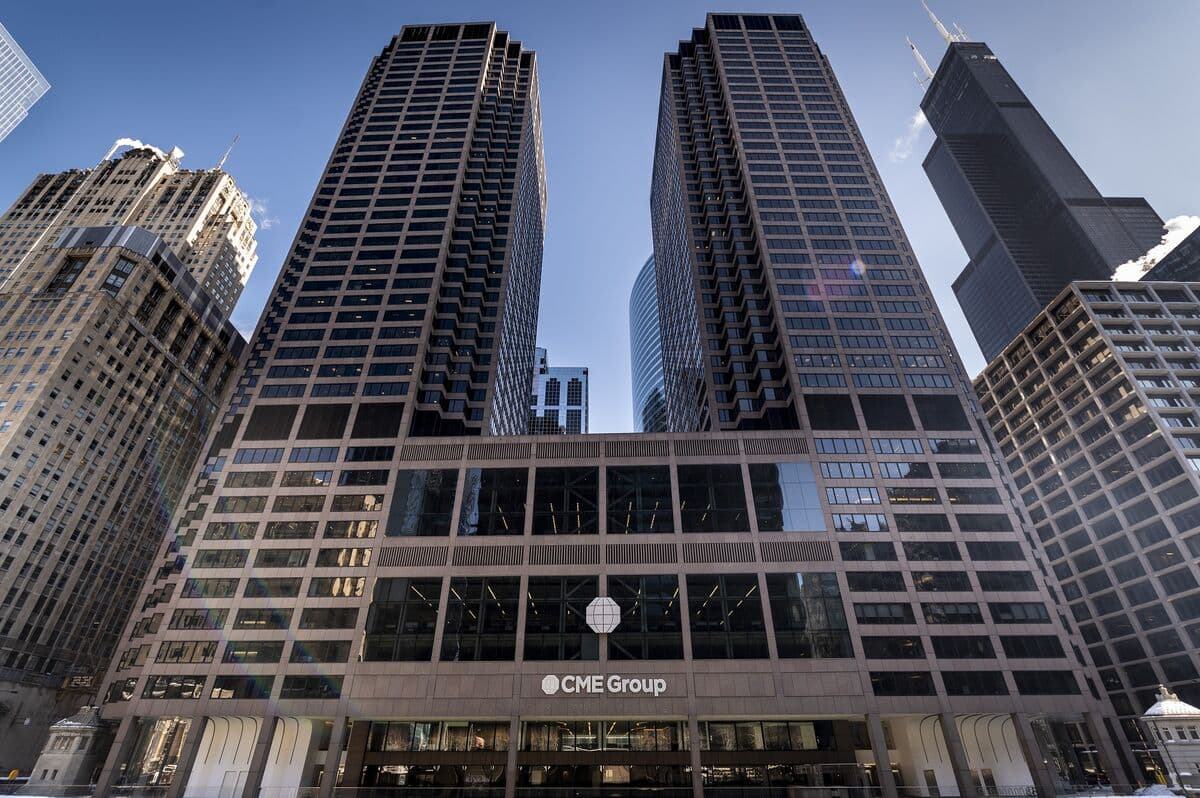
CME Direct Trading Platform Restored After Monday Technical Disruption
Trading on CME Group Inc.'s CME Direct platform is back up and running after a brief but notable disruption on Monday left traders unable to access one of the world's most widely used electronic futures and options trading interfaces. According to reports from traders active on the platform, CME Direct experienced significant technical difficulties that temporarily halted activity before systems were restored. While the outage appears to have been short-lived, it has once again drawn attention to the critical role that platform reliability plays in modern financial markets — and the downstream consequences that even brief disruptions can cause for traders and institutions alike.
What Is CME Direct?
CME Direct is a front-end electronic trading platform operated by CME Group Inc., one of the world's largest and most diversified derivatives marketplace operators. The platform provides traders with access to CME Globex, CME Group's flagship electronic trading engine, as well as to CME ClearPort for over-the-counter clearing. CME Direct is designed to serve a broad spectrum of market participants, including professional traders, broker-dealers, asset managers, and proprietary trading firms.
The platform supports trading across a wide range of asset classes, including interest rate futures, equity index futures, energy derivatives, agricultural commodities, metals, and foreign exchange products. Its user-friendly interface, combined with deep liquidity and broad market access, has made it a go-to tool for participants who need reliable, low-latency connectivity to some of the most actively traded contracts in the world. When CME Direct goes down, even momentarily, the ripple effects can be felt across global trading desks.
What Happened During Monday's Outage?
On Monday, traders reported that CME Direct began experiencing technical difficulties that disrupted normal trading operations. The exact nature of the technical fault has not been publicly detailed by CME Group, but users noted that access to the platform was interrupted, preventing the execution of trades during the affected period. Such disruptions, even when brief, can be costly for active traders who depend on real-time execution to manage risk, hedge positions, or capitalize on short-term market movements.
Trading was subsequently restored, and CME Group confirmed through trader reports that the platform had returned to normal operations. No official statement detailing the root cause of the disruption or the precise duration of the downtime had been widely circulated at the time of reporting. CME Group has not yet issued a formal public explanation regarding the technical difficulties that caused the outage.
Why Platform Reliability Matters in Futures Trading
In today's hyper-connected financial markets, the reliability of electronic trading platforms is not merely a convenience — it is a fundamental requirement. Futures and derivatives markets operate on tight margins, and the ability to execute orders at precisely the right moment is central to virtually every trading strategy, from high-frequency algorithmic trading to straightforward hedging operations by corporate treasurers.
A platform outage, however brief, can result in a range of adverse outcomes for market participants, including:
- Unhedged exposure: Traders who were in the middle of establishing or unwinding hedges may find themselves temporarily exposed to market risk they did not intend to carry.
- Missed opportunities: In fast-moving markets, even a few seconds of downtime can mean the difference between a profitable entry and a missed trade entirely.
- Operational risk events: For institutional traders and fund managers, any platform disruption triggers internal incident reporting and compliance reviews, adding administrative burden on top of market stress.
- Client communication obligations: Broker-dealers and futures commission merchants (FCMs) that route client orders through CME Direct may be required to notify clients and document the incident as part of their regulatory obligations.
These consequences underscore why exchanges and platform providers invest heavily in redundancy, failover systems, and disaster recovery protocols. For an operator of CME Group's scale — which processes millions of contracts daily — even a small window of unavailability carries outsized significance.
CME Group's Track Record and Infrastructure Investment
CME Group has historically maintained a strong reputation for platform uptime and market stability. The company operates one of the most sophisticated trading technology infrastructures in the world, with data centers, co-location services, and global connectivity hubs designed to minimize latency and maximize availability. The CME Globex platform, which underpins CME Direct, has been continuously enhanced over the years to meet growing demand and increasingly complex trading strategies.
Monday's disruption, while resolved relatively quickly, serves as a reminder that no technology system is entirely immune to failure. As trading volumes across futures markets continue to grow and market participants become ever more dependent on electronic access, the pressure on exchanges to maintain flawless uptime only intensifies.
What Traders Should Do During Platform Outages
Experienced traders and risk managers typically maintain contingency plans for exactly these kinds of scenarios. Having access to alternative execution channels — such as direct phone lines to brokers, backup trading platforms, or manual order entry systems — is considered best practice in professional trading environments. Reviewing and testing these backup procedures regularly is an important part of operational resilience planning.
Traders are also encouraged to monitor official CME Group communication channels, including their website status pages and direct alerts from their brokers or FCMs, for real-time updates during any future disruptions.
Looking Ahead
With CME Direct now back online, market participants are expected to resume normal trading activity across CME Group's suite of futures and options products. While Monday's disruption was brief, it is likely to prompt internal reviews at both CME Group and the firms that rely on the platform. How exchanges communicate during and after outages — and how quickly they restore service — remains a key factor in maintaining trader confidence and market integrity over the long term.