
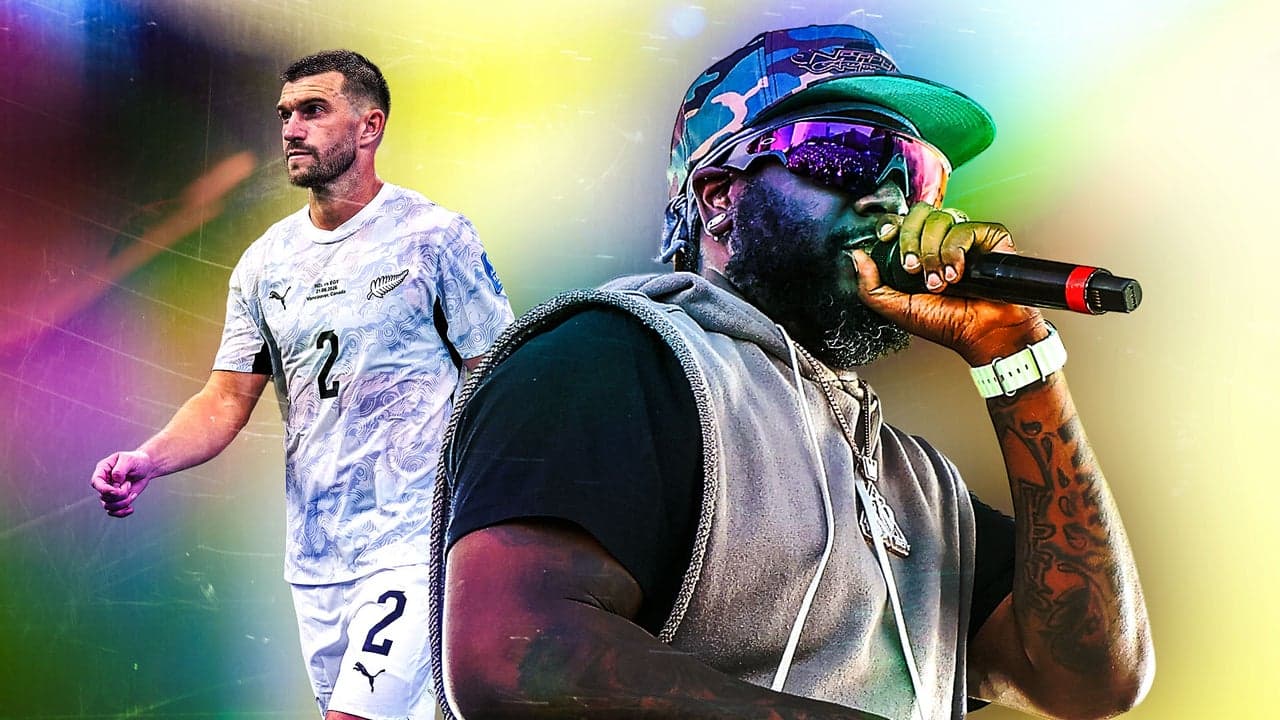
From 5,000 Followers to 5.9 Million: The Tim Payne Story the 2026 World Cup Didn't See Coming
Every World Cup produces its legends. Some earn their place through last-minute headers, penalty shootout heroics, or a dazzling run that replays on highlight reels for decades. But the 2026 FIFA World Cup has already given us something entirely different: a player who became a global sensation before a single ball was kicked, simply because the internet decided it was time.
Meet Tim Payne, a New Zealand defender who arrived at this summer's tournament with roughly 5,000 Instagram followers and left with more than 5.9 million — a number that, remarkably, surpasses the entire population of New Zealand itself. His rise is a masterclass in how viral fame works in the modern era, and how brands scramble to attach themselves to it the moment it catches fire.
The Argentine Influencer Who Started It All
Behind Tim Payne's meteoric rise is Argentine soccer influencer Valen "El Scarso" Scarsini, a content creator with a knack for finding the stories that mainstream sports media overlooks. Ahead of the 2026 FIFA World Cup, El Scarso set himself a simple but irresistible challenge: take the least-known player in the entire tournament and make him famous.
He landed on Tim Payne. Not because of anything Payne had done wrong — quite the opposite. Payne was simply a solid, hardworking defender from a small footballing nation who had earned his place on the World Cup stage through merit, only to find that almost nobody outside of New Zealand knew his name. El Scarso called on his massive following to change that, encouraging fans to follow Payne on Instagram and show the world that football fame didn't have to be earned only through goals and trophies.
The campaign worked beyond anyone's wildest expectations. Within days, Payne's follower count exploded. The video of the two finally meeting in person — Payne visibly moved, thanking El Scarso for spearheading the whole campaign — became one of the most heartwarming pieces of content to emerge from the World Cup cycle. It was authentic, unexpected, and genuinely touching. Which, of course, meant the brands were already on their way.
Brands Flood the Comments — and Some Get It Very Right
There is a well-established playbook in modern marketing: find the viral moment, insert your brand into the comments section with something clever, and hope the internet rewards you with likes, shares, and goodwill. When the video of Payne and Scarsini's meeting landed on Instagram, brands didn't hesitate.
WhatsApp kept things warm and on-brand, commenting "Football bringing the world together" — a neat tie-in to their product's core promise of connection across borders. Duolingo's Spanish-language account, never one to miss a multilingual opportunity, quipped that "the world's best translator was missing," a sharp piece of reactive marketing that played perfectly into the cross-cultural nature of the story. Even Domino's Pizza managed to squeeze in a moment of levity, commenting "dad and dad finally together" — a cheeky nod to the father-figure energy of El Scarso's mentorship of Payne's public persona.
These kinds of comment-section cameos have become their own genre of brand marketing. They cost relatively little, require quick thinking from a social media team, and when they land, they generate enormous earned media. The brands that showed up for Tim Payne's viral moment understood that being present and human in the right place at the right time is sometimes worth more than an expensive campaign.
DoorDash's Hilarious Mishap: A Case Study in Wrong-Chat Energy
And then there is DoorDash. According to the original reporting, DoorDash was among the brands eager to engage with Tim Payne's viral wave — except they kept finding themselves in the wrong conversation entirely, apparently tagging or engaging with a different Tim Payne rather than the New Zealand soccer star at the center of all the buzz.
It's the kind of mistake that sounds catastrophic on paper but, in practice, can be oddly endearing. There is something deeply relatable about a major corporation excitedly rushing toward a cultural moment only to realize they've knocked on the entirely wrong door. In the age of social media, authenticity and humor go a long way, and DoorDash's fumble — whether entirely accidental or lightly leaned into — captures the chaotic energy that makes viral moments so unpredictable in the first place.
It also underscores a genuine challenge for brand social media teams: when a name blows up overnight, there isn't always time for thorough due diligence. "Tim Payne" is not an unusual name, and in the scramble to be first, second-checking the tag can fall through the cracks. The lesson for marketers is clear — speed matters, but accuracy matters more, especially when you're trying to piggyback on someone else's story.
What Tim Payne's Viral Journey Tells Us About Modern Fame
Beyond the brand marketing antics, Tim Payne's story raises genuinely fascinating questions about the nature of celebrity in 2025 and 2026. His fame was not built on performance data, transfer fees, or club prestige. It was built on community, on a single influencer's decision to shine a light, and on millions of strangers who chose to click "follow" simply because they liked the idea of the story.
That is a new kind of sporting fame — one that exists somewhat independently of the sport itself. Payne could have a quiet tournament by traditional metrics and still leave as one of the most recognized names of the entire event. Brands understand this, which is why they moved so fast. Audiences connect with underdogs, with authenticity, and with cross-border moments of genuine human warmth.
The Bigger Picture for Sports Marketing
The Tim Payne phenomenon is a reminder that the 2026 FIFA World Cup is not just a football tournament — it is one of the largest social media events on the planet. For brands, that means opportunity exists far beyond the obvious sponsorship packages and halftime ad slots. The real action is sometimes in a comment section, in a perfectly timed reply, or in a piece of reactive content that shows a brand actually has a pulse.
- Reactive comment marketing, when done well, generates organic reach at a fraction of the cost of paid campaigns.
- Viral cultural moments can elevate unknown individuals to global recognition almost overnight, creating entirely new marketing opportunities that didn't exist 48 hours earlier.
- Mistakes like DoorDash's wrong-tag situation, handled with transparency or humor, can sometimes generate more goodwill than a polished campaign ever would.
- The most resonant World Cup stories in 2026 may have nothing to do with goals, trophies, or team rankings — and brands that recognize this early will be best positioned to benefit.
Tim Payne went to a World Cup as a little-known defender from New Zealand. Thanks to one influencer, millions of strangers, and a handful of brands scrambling to keep up, he's leaving as something far harder to define — and far more interesting. Whether DoorDash ever finds the right chat remains to be seen. But in trying and failing so publicly, they've arguably told us everything we need to know about how brands navigate the beautiful, unpredictable chaos of going viral.