
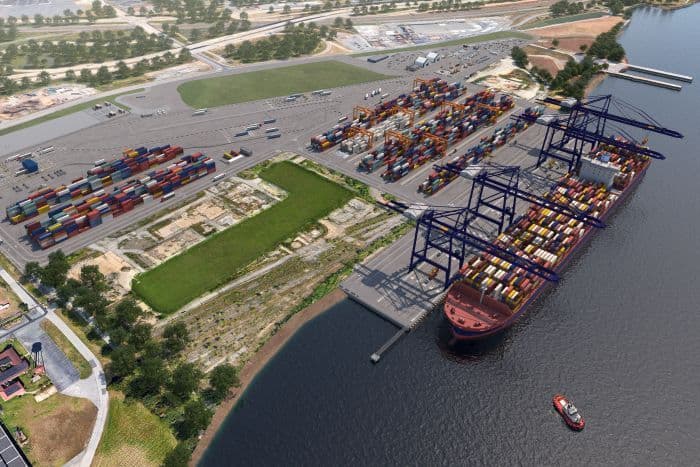
Enstructure Breaks Ground on Long-Awaited Delaware River Container Terminal
After years of planning, permitting hurdles, and anticipation from the regional logistics community, North American terminal operator and stevedore Enstructure has officially taken its first concrete steps toward building a major new container terminal along the Delaware River. The project, which has been delayed for an extended period, promises to reshape cargo movement across the mid-Atlantic region and give large ocean-going vessels a new, strategically positioned port of call on the East Coast.
For shippers, importers, exporters, and logistics professionals operating in the mid-Atlantic corridor, this development represents a potentially transformative shift in how goods enter and exit one of the most commercially dense regions in the United States. Here is everything you need to know about Enstructure's new Delaware container terminal and why it matters.
Who Is Enstructure and Why Does This Project Matter?
Enstructure is a well-established name in North American port operations, functioning as both a terminal operator and a stevedore — a company responsible for loading and unloading cargo ships. With a portfolio of terminal assets spread across the United States, Enstructure has positioned itself as a key infrastructure player in the domestic supply chain ecosystem.
The decision to develop a new terminal along the Delaware River is not being made in a vacuum. It reflects broader industry trends, including the continued growth of mega-ships capable of carrying 15,000 or more twenty-foot equivalent units (TEUs), the ongoing pressure to diversify port infrastructure beyond the most congested gateways, and the surging demand from shippers in Pennsylvania, New Jersey, Delaware, Maryland, and surrounding states for more accessible, cost-competitive port options.
By committing to this project, Enstructure is signaling confidence in the long-term trajectory of East Coast trade volumes and positioning itself to capture a meaningful share of the container market that currently funnels through nearby ports such as the Port of New York and New Jersey, the Port of Baltimore, and the Port of Philadelphia.
What We Know About the New Delaware River Terminal
The terminal is specifically being designed to accommodate big-ship calls — a critical distinction in today's shipping landscape. As global ocean carriers continue deploying larger vessels to achieve economies of scale, ports that cannot handle these ships risk being bypassed entirely. Enstructure's Delaware River facility is being engineered from the ground up to ensure it will not face that limitation.
Key characteristics of the project include:
- Big-ship capability: The terminal will be built to receive large container vessels that require deep-water berths and wide operational clearances, accommodating the modern fleet sizes that major ocean carriers now prefer.
- Mid-Atlantic geographic advantage: Situated along the Delaware River, the terminal enjoys proximity to dense population centers, major interstate highways, and rail networks, making it an attractive option for cargo destined for or originating from the northeastern and mid-Atlantic United States.
- Shipper-focused design: The facility is specifically intended to serve mid-Atlantic shippers who currently face limited direct options for big-ship services without routing cargo through more congested or geographically distant ports.
- Long-delayed but now advancing: The project has been in the pipeline for some time, making the commencement of actual construction work a significant milestone for both Enstructure and the regional port community.
The Mid-Atlantic Freight Market: A Region Ready for New Capacity
The mid-Atlantic region is one of the most economically productive corridors in North America. It is home to major manufacturing facilities, distribution centers, retail headquarters, agricultural exporters, and a vast consumer base. Yet the region has historically been somewhat underserved when it comes to direct big-ship container services compared to the sheer volume of trade it generates.
Shippers in this region have often faced a difficult choice: pay premium drayage costs to move cargo from distant ports, or accept the congestion and capacity constraints that come with routing through the busiest East Coast gateways. A capable, modern container terminal on the Delaware River would offer a third option — one that could meaningfully reduce transportation costs, shorten transit times, and improve supply chain resilience for thousands of businesses.
From an economic development perspective, a new major terminal also brings significant job creation, both directly in terminal operations and indirectly through associated trucking, warehousing, rail, and logistics services. State and local officials in the Delaware River corridor have long recognized the economic potential of enhanced port infrastructure in the region.
What This Means for the Competitive Port Landscape
Enstructure's move does not happen in isolation. East Coast ports are engaged in a sustained and increasingly sophisticated competition to attract ocean carrier calls, shipper volume, and long-term cargo commitments. The Port of New York and New Jersey continues to expand, Baltimore has invested heavily in post-Suez-crisis recovery and infrastructure upgrades, and Virginia's Port of Hampton Roads remains one of the deepest and most capable facilities on the Atlantic seaboard.
A new big-ship terminal on the Delaware River would add meaningful competition to this landscape, which ultimately benefits shippers through better rates, improved service options, and greater leverage in negotiations with ocean carriers and port authorities alike.
Looking Ahead: Timeline and Next Steps
While Enstructure has begun initial work on the terminal, a full construction and commissioning timeline has not yet been publicly detailed. Large-scale port infrastructure projects of this nature typically require multiple years from groundbreaking to first vessel call, involving civil engineering, equipment procurement, berth construction, crane installation, and regulatory approvals at multiple levels.
Industry observers will be watching closely for updates on construction milestones, carrier commitments, and service announcements that signal the terminal is approaching operational readiness. For mid-Atlantic shippers, logistics providers, and supply chain planners, now is the time to begin monitoring this project and assessing how it might fit into future transportation network strategies.
Enstructure's first steps on the Delaware River container terminal mark the beginning of what could become one of the most consequential port infrastructure developments on the East Coast in recent years. As construction progresses and details emerge, the broader shipping and logistics industry will be watching — and many will be eagerly waiting for the chance to call it their next preferred port of entry.