
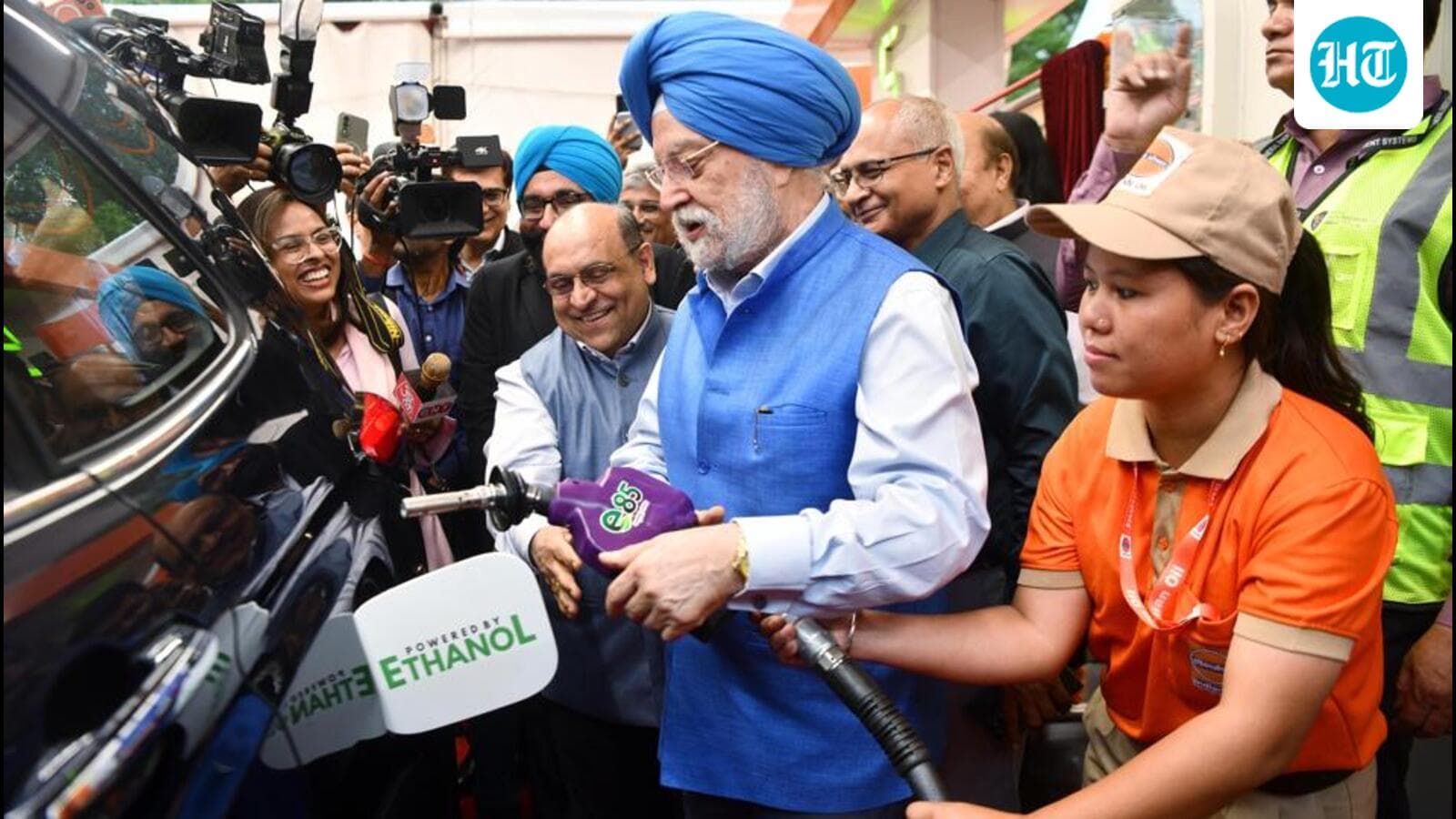
Excise Relief for Higher Ethanol Petrol Blends: A Game-Changer for India's Fuel Policy
India has taken a significant step forward in its clean energy transition by announcing an excise duty exemption on higher ethanol petrol blends. According to the government notification, this duty relief is conditional on strict conformity to quality standards specified by the Bureau of Indian Standards (BIS). This policy move is being widely viewed as a major catalyst that could accelerate the country's ethanol blending programme, reduce dependence on imported crude oil, and lower the overall carbon footprint of the transportation sector.
For consumers, fuel retailers, and industry stakeholders alike, understanding the full implications of this development is critical. Let's break down what excise relief on higher ethanol blends really means, why BIS compliance matters, and how this fits into India's broader energy strategy.
What Are Higher Ethanol Petrol Blends?
Ethanol blended petrol (EBP) refers to fuel in which a portion of conventional petrol is replaced with ethanol — a biofuel typically derived from sugarcane, maize, or other agricultural feedstocks. India has been progressively increasing its blending targets over the years.
Currently, the government's Ethanol Blended Petrol Programme mandates blending targets that have climbed steadily from around 5% in earlier years to 20% by 2025 under the National Biofuel Policy. "Higher ethanol blends" generally refer to fuel mixtures that go beyond the standard E10 blend (10% ethanol, 90% petrol) and include E15, E20, and potentially even higher concentrations.
These higher blends offer several environmental and economic advantages, but they also require more careful handling, quality control, and engine compatibility — which is precisely why BIS standards play such a central role in the new excise exemption framework.
The Role of the Bureau of Indian Standards in Fuel Quality
The Bureau of Indian Standards is India's national standards body, responsible for establishing and maintaining quality benchmarks across industries including fuel, manufacturing, and consumer products. Under the new notification, excise duty exemption on higher ethanol petrol blends is only available to fuel producers and suppliers who demonstrate full compliance with BIS-specified quality parameters.
This conditionality is not merely bureaucratic formality. Higher ethanol content in fuel can affect engine performance, fuel system materials, and emissions profiles if the blend does not meet precise chemical and physical specifications. BIS standards for ethanol blended petrol typically govern parameters such as:
- Ethanol content percentage within acceptable tolerances
- Water content limits to prevent phase separation
- Oxidation stability to ensure shelf life and safe storage
- Corrosion inhibitor levels to protect fuel system components
- Vapour pressure to control evaporative emissions
By tying the excise relief to BIS conformity, the government is ensuring that cost savings at the production or supply end do not come at the expense of fuel quality, consumer safety, or vehicle reliability.
Why Excise Relief Matters for the Ethanol Blending Programme
Excise duty forms a significant component of the final price of fuel in India. When the government reduces or exempts excise on higher ethanol blends, it effectively makes these blends more commercially viable compared to conventional petrol. This economic incentive does several things at once.
First, it encourages oil marketing companies (OMCs) to accelerate the procurement and use of ethanol from domestic sources, particularly from the sugar and grain industries. This creates a more robust and reliable demand signal for ethanol producers, who have often faced pricing and offtake uncertainty.
Second, lower effective costs can translate into either improved margins for fuel retailers or reduced prices at the pump for end consumers — or both. In a country where fuel prices have a direct impact on inflation and household budgets, this is a meaningful policy lever.
Third, it helps India reduce its import bill for crude oil. Every litre of ethanol that replaces imported petrol saves precious foreign exchange, strengthens the current account, and contributes to the goal of energy self-reliance — a cornerstone of the government's Atmanirbhar Bharat vision.
Environmental and Climate Benefits
Beyond economics, higher ethanol blending carries substantial environmental dividends. Ethanol burns more cleanly than conventional petrol, producing lower carbon monoxide, particulate matter, and net carbon dioxide emissions — since the CO2 released during combustion is partially offset by the CO2 absorbed during the growth of the feedstock crops.
India's transportation sector is one of the largest contributors to urban air pollution. Scaling up to E20 or higher blends across the national fuel supply could meaningfully reduce tailpipe emissions, particularly in congested metropolitan areas where air quality is a persistent public health concern.
Challenges and the Road Ahead
Despite the clear benefits, a few challenges remain on the path to widespread adoption of higher ethanol blends. Vehicle compatibility is a primary concern — older engines may not be designed to handle high ethanol concentrations without modifications. However, the automotive industry is increasingly aligning with these targets, with several manufacturers already producing flex-fuel compatible vehicles.
Infrastructure upgrades at fuel storage and dispensing facilities will also require investment, since ethanol's different chemical properties demand appropriate materials for tanks, pumps, and seals. The government's excise relief framework, combined with BIS-backed quality assurance, provides a strong foundation for managing these transitions systematically.
Conclusion
India's decision to offer excise relief on higher ethanol petrol blends — contingent on adherence to BIS quality standards — is a well-calibrated policy that balances economic incentives with safety and quality imperatives. It reinforces the country's commitment to cleaner fuels, agricultural sector growth, energy security, and fiscal prudence all at once. As implementation gathers pace, this measure could prove to be one of the most impactful fuel policy decisions of the decade, setting India firmly on the road toward a more sustainable and self-reliant energy future.