
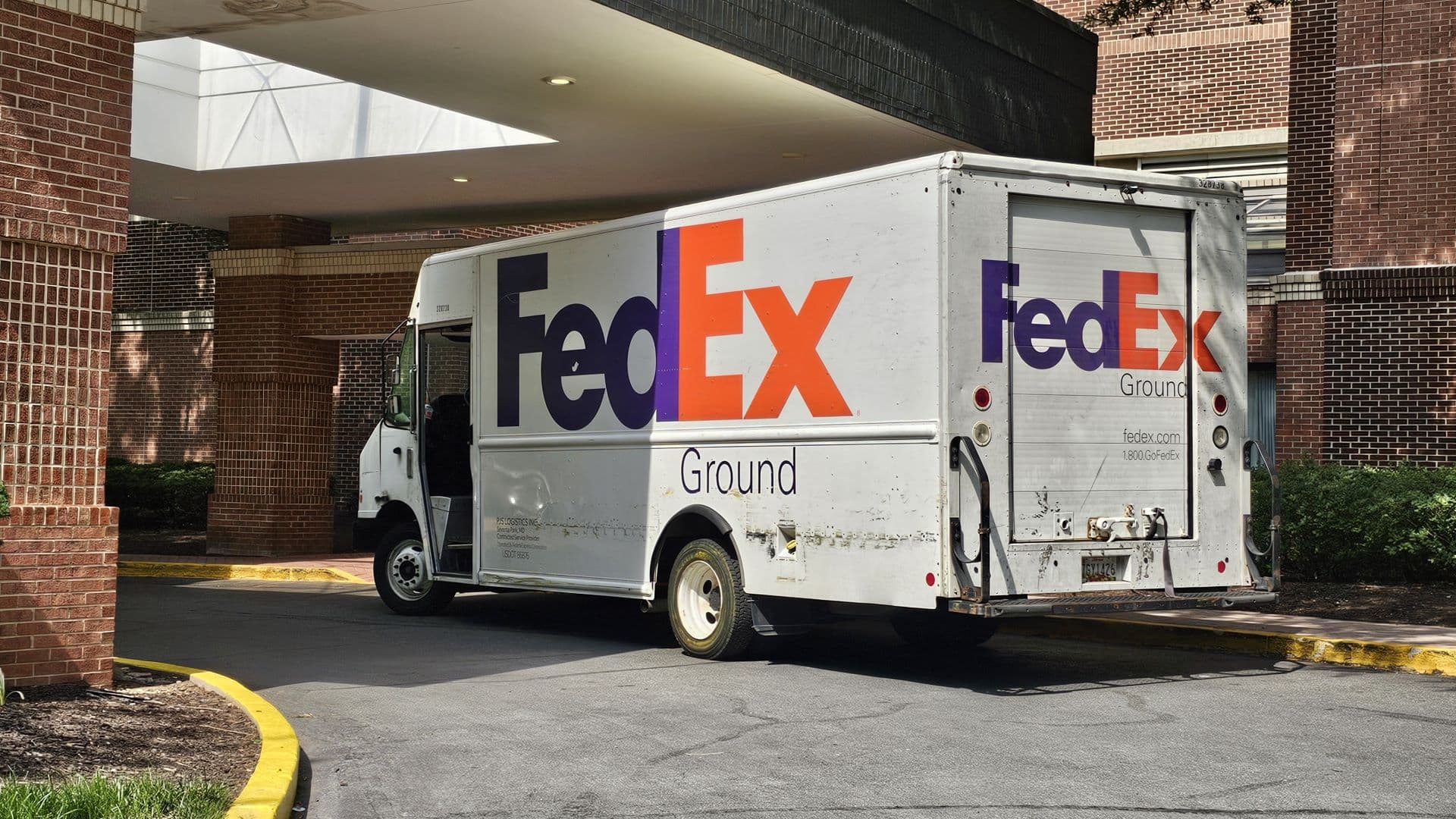
FedEx Delivers Strong Q4 Results Powered by Premium Parcel and Freight Strategy
Federal Express Corporation has once again demonstrated its ability to outpace Wall Street expectations, reporting fiscal year fourth-quarter earnings that exceeded analyst forecasts. The results were driven largely by a disciplined focus on premium business-to-business (B2B) services, robust parcel and freight volume growth, and the accelerating benefits of a years-long network restructuring initiative. For investors, logistics professionals, and supply chain watchers, these results offer a revealing look at how the courier giant is reshaping itself for long-term profitability rather than chasing high-volume, low-margin business.
Q4 Earnings at a Glance: Revenue, Margins, and EPS
FedEx reported quarterly revenue that climbed 13% to $25 billion, a figure that underscores the breadth of demand for its premium shipping and logistics services. Adjusted earnings per share came in at $6.31, reflecting a 4% increase year over year. While these top-line numbers impressed the market, the company's operating margin told a more nuanced story, contracting slightly to 8.4% from 9.1% in the prior-year period.
That margin compression was not unexpected given the challenging macroeconomic environment. FedEx navigated a period marked by volatile tariff changes stemming from the Trump administration's trade policies, uncertainty triggered by the Iran conflict, and the unexpected grounding of its MD-11 freighter fleet. Rising transportation and labor costs added further pressure. Perhaps most significantly, FedEx and its pilots finalized a new labor contract this month, one that increases pilot pay by 40% over a four-year term — a commitment that reflects the company's long-term confidence in its business model even as it weighs on near-term margins.
Full-Year Performance: The Strongest Margin in Four Years
Zooming out to the full fiscal year paints an even more compelling picture. FedEx grew full-year revenue by 9% to $94.7 billion and expanded adjusted operating income by an impressive 17%. The resulting adjusted operating margin of 7.7% was the highest the company has achieved in four years — a meaningful milestone that validates the strategic choices management has made over the past several years.
These numbers reflect a company that is successfully translating volume and yield improvements into genuine bottom-line progress, even in the face of external headwinds. The full-year results represent a compelling case study in how logistics companies can pursue profitable growth by prioritizing quality of revenue over sheer quantity.
The Premium B2B Strategy: Why FedEx Is Winning in High-Value Markets
At the heart of FedEx's recent success is a deliberate pivot toward premium, high-margin B2B market segments. Rather than competing broadly across every tier of the parcel market, FedEx has concentrated its resources and sales efforts on industries where its specialized capabilities command premium pricing and where customer relationships tend to be stickier and more durable.
The verticals FedEx has identified as core growth markets include:
- Automotive: Time-sensitive parts shipping and just-in-time supply chain solutions for manufacturers and dealers.
- Healthcare: Temperature-controlled and regulatory-compliant logistics for pharmaceuticals, medical devices, and clinical supplies.
- Aerospace: High-value component shipping with strict handling, documentation, and chain-of-custody requirements.
- Data Centers: Logistics support for the rapidly growing infrastructure powering cloud computing and artificial intelligence.
- Specialized B2C: Premium direct-to-consumer fulfillment for luxury, high-ticket, or time-critical goods.
Strong growth in both yields and volumes across domestic and international parcel and freight products signals that this vertical focus is resonating with customers. By going deep in markets where expertise matters — rather than wide across all consumer e-commerce — FedEx is carving out a defensible and highly profitable niche.
Stepping Back From Low-Margin E-Commerce Delivery
One of the most strategically significant decisions FedEx has made in recent years is its deliberate withdrawal from broad, last-mile parcel delivery for general e-commerce sellers. The economics simply do not work at scale: the thin margins generated by commodity parcel delivery cannot justify the enormous cost of maintaining a global, multi-modal transportation network that includes air freight, ground operations, and international express services.
By ceding this space — where competitors like UPS, USPS, and Amazon Logistics are willing to battle for razor-thin margins — FedEx has freed up capacity, capital, and management focus to serve customers who value and will pay for differentiated service. This is a strategically sound move, and the earnings results suggest it is beginning to bear significant fruit.
Network Restructuring: Savings That Are Finally Materializing
FedEx has been executing on a multiyear network restructuring program designed to consolidate operations, reduce redundancy, and eliminate costs. The company expects to achieve its target of more than $1 billion in savings this fiscal year as that streamlining effort fully takes hold. These are not one-time accounting gains but structural improvements to the cost base that should compound in value over time.
The restructuring has included integrating previously separate FedEx Express and FedEx Ground networks under a unified operational model, a transformation that has been complex and costly to execute but is now delivering the efficiency gains management promised investors.
The FedEx Freight Spinoff: A New Chapter Begins
The Q4 results were also notable for being the first financial report issued since FedEx completed the spinoff of its freight trucking business on June 1. FedEx Freight, which will report its own results separately, has been a major component of the broader enterprise, and its separation marks a significant structural shift. FedEx also transitioned to a standard calendar year reporting format on June 1, ending fiscal year 2026 on May 31 — a change that will make year-over-year comparisons more complex in the near term but aligns the company with standard industry reporting practices going forward.
Outlook: Positioned for Continued Profitable Growth
FedEx enters its new fiscal year from a position of operational strength. The combination of a premium-focused commercial strategy, a leaner network, accelerating restructuring savings, and growing demand across its high-value industry verticals provides a solid foundation. While macroeconomic uncertainties — including ongoing tariff volatility, geopolitical tensions, and elevated labor costs — remain real risks, the company has demonstrated a clear ability to manage through turbulence while maintaining strategic direction.
For businesses that rely on FedEx for critical shipments, for investors tracking the logistics sector, and for supply chain professionals benchmarking carrier performance, the message from these results is clear: FedEx's bet on premium freight and B2B excellence is paying off, and the company's best years of margin expansion may still lie ahead.