
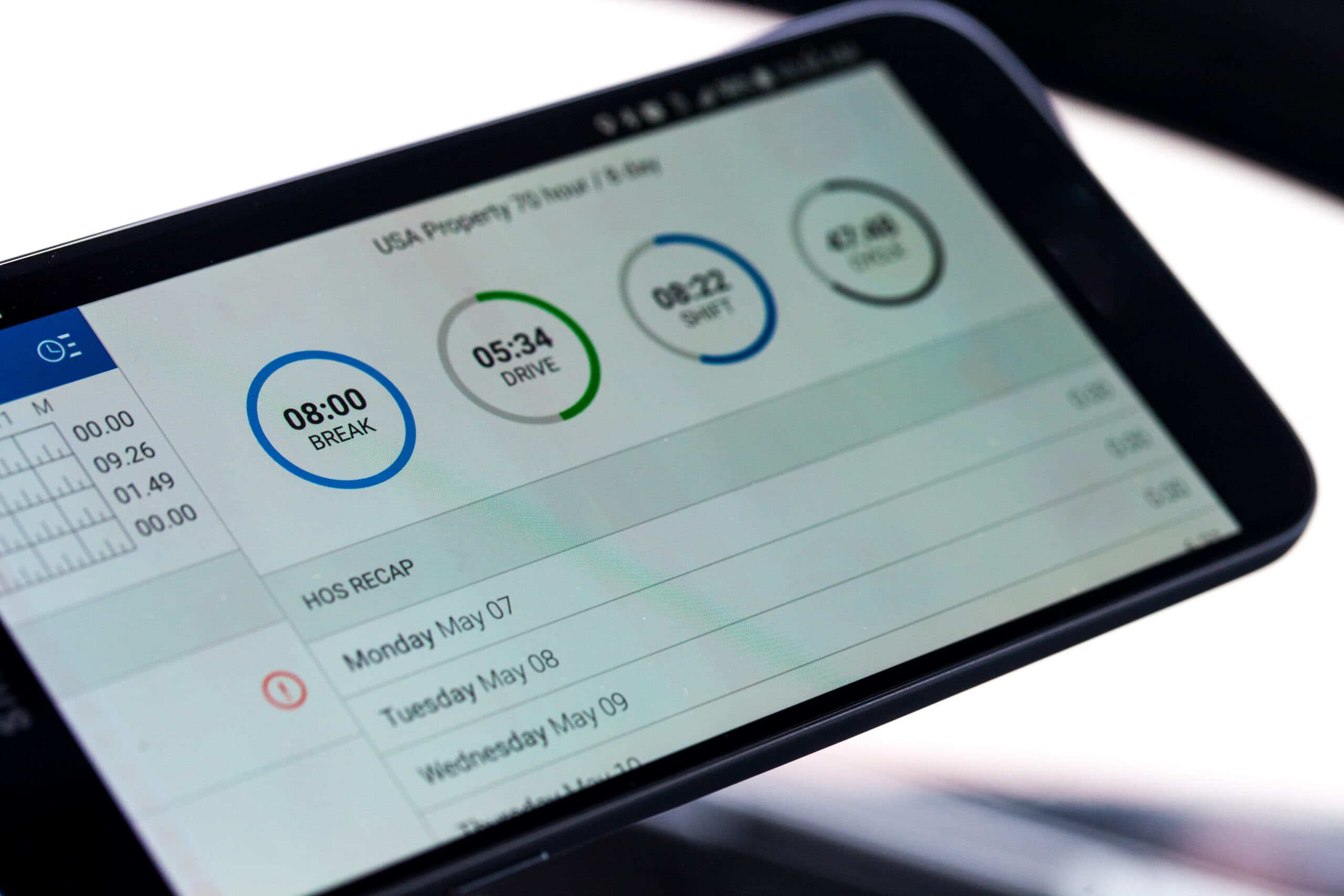
FMCSA Eliminates Printed ELD Manual Requirement: What Truckers Need to Know
The Federal Motor Carrier Safety Administration (FMCSA) has officially scrapped a longstanding regulation that required commercial truck drivers to keep a printed copy of their Electronic Logging Device (ELD) operator's manual inside their vehicle at all times. This regulatory update, published in the Federal Register, marks a meaningful step in the agency's ongoing effort to reduce unnecessary administrative burdens on motor carriers and owner-operators without compromising road safety.
For millions of commercial drivers who have navigated compliance requirements for years, this change may seem small — but it is a practical win that reflects how far ELD adoption has come since the federal mandate took full effect in December 2019.
What Was the Old ELD Manual Rule?
Under the previous regulation, commercial motor vehicle operators were required to maintain a printed copy of the ELD operator's manual in their truck cab at all times. The intent was straightforward: drivers needed access to instructions that would help them understand how to operate the device, ensure the accuracy of their electronic records of duty status (RODS), and present relevant information during roadside inspections conducted by enforcement officials.
The regulation made sense in the early days of ELD adoption, when devices were new, unfamiliar, and varied widely in design and interface. At the time, having a manual on hand was a reasonable safeguard. However, as the technology matured and drivers became experienced with ELD systems, the practical necessity of carrying a bulky printed manual faded considerably.
Why FMCSA Decided to Drop the Rule
FMCSA was direct in explaining its reasoning for eliminating the printed manual requirement. In its Federal Register notice, the agency stated plainly: "There is no readily apparent benefit to continuing to require that the user's manual be in the commercial motor vehicle given the use of ELDs since December 2019."
The agency further emphasized that this change "eliminates a regulatory burden on motor carriers without compromising safety." That framing is significant. It signals that FMCSA views the elimination not as a weakening of oversight, but as a rational modernization of rules that have outlived their usefulness in their original form.
Since the ELD mandate was fully phased in over half a decade ago, the trucking industry has adapted extensively. Drivers are now well-acquainted with ELD operation, and most device manufacturers provide digital access to manuals through the device itself, companion apps, or manufacturer websites. The need to carry a physical copy has become increasingly redundant in a world where information is accessible on demand.
The Rulemaking Process: Comments and Industry Response
FMCSA did not make this change unilaterally. The agency opened a 60-day public comment period beginning May 30, 2025, allowing stakeholders across the trucking industry to weigh in on the proposed rule change. The comment period generated 24 responses from organizations ranging from independent drivers to major industry associations.
Among those submitting comments were the American Trucking Associations (ATA) and the Owner-Operator Independent Drivers Association (OOIDA) — two of the most influential voices in commercial transportation policy. The overall response was largely supportive, with 18 comments in favor of the change and four in opposition.
The fact that industry groups representing both large fleet carriers and independent owner-operators came together in support of the change speaks volumes. It underscores a broad consensus that this particular rule had become an outdated formality rather than a meaningful safety tool.
Part of a Broader Regulatory Cleanup Effort
The ELD manual rule elimination was not the only regulatory update announced in that day's Federal Register. On the same Monday, FMCSA also finalized the elimination of a rule that had previously required CDL holders to self-report any safety violations to their state of domicile. That change, too, had been proposed earlier and subjected to public comment before being finalized.
Together, these two changes reflect a broader pattern of FMCSA reviewing legacy regulations and removing requirements that impose costs or administrative burdens on carriers and drivers without delivering proportional safety benefits. This kind of regulatory housekeeping is valuable — it keeps the compliance landscape focused on rules that genuinely matter.
What This Means for Drivers and Motor Carriers
In practical terms, the elimination of the printed ELD manual requirement means that truck drivers no longer need to worry about maintaining a physical copy of their device's user manual in their cab. This removes a potential citation point during roadside inspections and simplifies what drivers need to carry with them on a daily basis.
However, it is important to note that the underlying obligation remains intact. Drivers are still required to understand how to operate their ELD, maintain accurate records of duty status, and be prepared to present that information to enforcement officials during inspections. The rule change removes the requirement for a printed manual — not the responsibility for ELD competency itself.
Motor carriers should update their compliance checklists and driver orientation materials to reflect this change. Fleet managers and safety directors would be wise to communicate the update clearly to drivers so that no one is caught off-guard during an inspection.
Looking Ahead: ELD Compliance in a Modernizing Industry
The trucking industry continues to evolve rapidly, with technology playing an increasingly central role in operations, safety, and compliance. ELDs are now deeply embedded in the daily workflow of commercial drivers, and regulatory frameworks need to keep pace with that reality.
FMCSA's willingness to revisit and retire outdated rules is a healthy sign for the industry. As ELD technology continues to improve and integrate with broader fleet management systems, further regulatory refinements are likely. Staying informed about FMCSA updates — and participating in public comment periods when they arise — remains one of the best ways for drivers, carriers, and associations to shape the rules that govern their profession.
For now, drivers can set aside one more piece of paperwork and focus on what matters most: safe, efficient operation on the road.