
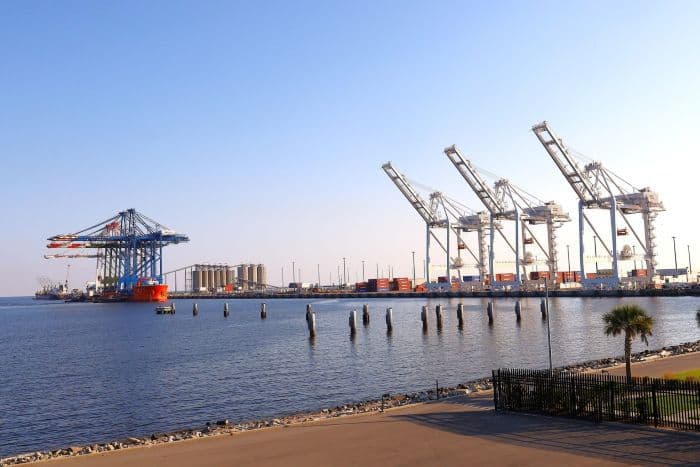
Gulfport Port Dredging Project Gets the Green Light for Post-Panamax Era
The Port of Gulfport, Mississippi is preparing for a significant leap into the future of global maritime trade. The US Army Corps of Engineers has officially recommended deepening the port's main navigation channel to a depth capable of accommodating post-Panamax container vessels — the massive cargo ships that have become the backbone of modern international shipping. This recommendation marks a pivotal turning point for a port that has historically served as a regional feeder container hub, and it signals a bold ambition to compete on a much larger stage.
For port operators, shippers, logistics professionals, and the broader Gulf Coast economy, the implications of this dredging approval are far-reaching. Understanding what this project means — and why it matters — requires a closer look at the evolving world of container shipping and where Gulfport fits within it.
What Is a Post-Panamax Vessel and Why Does It Matter?
The term "Panamax" refers to the maximum size of vessel that could historically transit the original Panama Canal locks. For decades, Panamax vessels defined the upper limit of container ship design for routes serving the Americas. However, the expansion of the Panama Canal, completed in 2016, changed the equation entirely by opening new, wider locks capable of handling significantly larger ships — a class now referred to as post-Panamax or New Panamax vessels.
Post-Panamax ships can carry anywhere from 10,000 to more than 18,000 twenty-foot equivalent units (TEUs) of cargo, compared to the roughly 5,000 TEU capacity of traditional Panamax vessels. Their sheer size translates to dramatically lower per-unit shipping costs, which is why major ocean carriers have rapidly shifted their fleets toward these larger ships on high-volume trade lanes.
The catch is that post-Panamax vessels require deeper harbor channels, taller bridge clearances, and larger berth infrastructure to operate safely. Many smaller or older US ports simply cannot accommodate them without significant capital investment — which is precisely what Gulfport's dredging project is designed to address.
Where Gulfport Stands Today
Currently, the Port of Gulfport primarily handles feeder container ships — smaller vessels that transport cargo between major hub ports and regional destinations. While this has provided the port with a steady operational role in the Gulf Coast supply chain, it also places inherent limits on the volume of cargo that can flow through its facilities and the range of shipping lines that can call there directly.
Feeder shipping, by its nature, involves additional transshipment steps. Cargo moving through Gulfport on feeder vessels has typically been transferred from or to larger ships at hub ports like Houston or New Orleans, adding time, cost, and complexity to supply chains. By contrast, a port capable of receiving post-Panamax vessels directly can attract mainline service calls from major ocean carriers, reducing transit times and costs for importers and exporters throughout the region.
The Army Corps of Engineers' recommendation to deepen the main channel changes this dynamic fundamentally. If the project proceeds through the remaining federal approval and funding stages, Gulfport would be repositioned from a feeder port to a direct-call destination for the world's largest container ships.
The Economic Case for Deepening Gulfport's Channel
The economic rationale behind the dredging project is compelling. A deeper channel capable of hosting post-Panamax vessels would expand the port's cargo capacity and attract new business from shipping lines seeking Gulf Coast alternatives to more congested ports on the East and West Coasts. The ripple effects extend well beyond the port gates themselves.
- Job Creation: Expanded port capacity historically drives direct employment in terminal operations, logistics, and freight forwarding, as well as indirect employment in warehousing, transportation, and manufacturing sectors that rely on port access.
- Supply Chain Efficiency: Businesses in Mississippi, Alabama, Tennessee, and neighboring states could benefit from shorter, more direct shipping routes, reducing inventory carrying costs and improving delivery reliability.
- Regional Competitiveness: As Gulf Coast ports collectively invest in expansion, Gulfport risks falling behind without infrastructure capable of handling modern vessel classes. The dredging project is a necessary defensive investment as much as an offensive growth strategy.
- Agricultural and Industrial Exports: The Gulf Coast is a critical gateway for US agricultural exports and manufactured goods. Larger vessels calling directly at Gulfport would improve export economics for producers across the region.
Navigating the Path from Recommendation to Reality
While the Army Corps of Engineers' recommendation is a crucial and encouraging milestone, it is important to understand that it does not automatically mean construction will begin tomorrow. Federal harbor deepening projects in the United States typically follow a multi-stage process that includes the Chief's Report from the Army Corps, Congressional authorization, budget appropriations, final engineering and environmental review, and eventual contract award. Each stage carries its own timeline and political considerations.
Port advocates and local officials in Gulfport will need to maintain momentum through federal channels to ensure the project advances without prolonged delays. Given the competitive landscape of US port development — with numerous ports along the Gulf and Atlantic coasts pursuing similar depth improvements — timing matters enormously.
Gulfport's Place in the Broader Gulf Coast Port Strategy
The Port of Gulfport's dredging ambitions fit within a broader regional trend. Ports from Houston and New Orleans to Mobile and Tampa have all invested heavily in recent years to deepen channels, expand berths, and modernize terminal infrastructure in anticipation of growing post-Panamax traffic. The expansion of the Panama Canal fundamentally redistributed shipping traffic patterns across the US, and Gulf Coast ports have been among the primary beneficiaries of that shift.
Gulfport's relatively smaller existing footprint could, paradoxically, be an advantage. With the right infrastructure investments, it can offer modern, efficient operations without the congestion that sometimes plagues larger, busier port complexes. Its geographic position along the central Gulf Coast also provides natural access to a vast inland consumer and industrial market through established highway and rail corridors.
Looking Ahead: What the Dredging Approval Signals for Trade
The US Army Corps of Engineers' recommendation to deepen Gulfport's main channel is more than a technical engineering decision — it is a strategic statement about where the port and the broader Mississippi Gulf Coast economy intend to be in the next generation of global trade. Post-Panamax capability is no longer a luxury for ambitious ports; it is increasingly a baseline requirement for relevance in the modern container shipping industry.
For stakeholders across the supply chain — from ocean carriers and freight forwarders to manufacturers and retailers — the progress of this project deserves close attention. If Gulfport successfully completes its channel deepening and attracts mainline post-Panamax service, it could meaningfully reshape cargo routing decisions across the south-central United States for decades to come. The ships of the future are already sailing. Gulfport is working to make sure it has a berth waiting for them.