
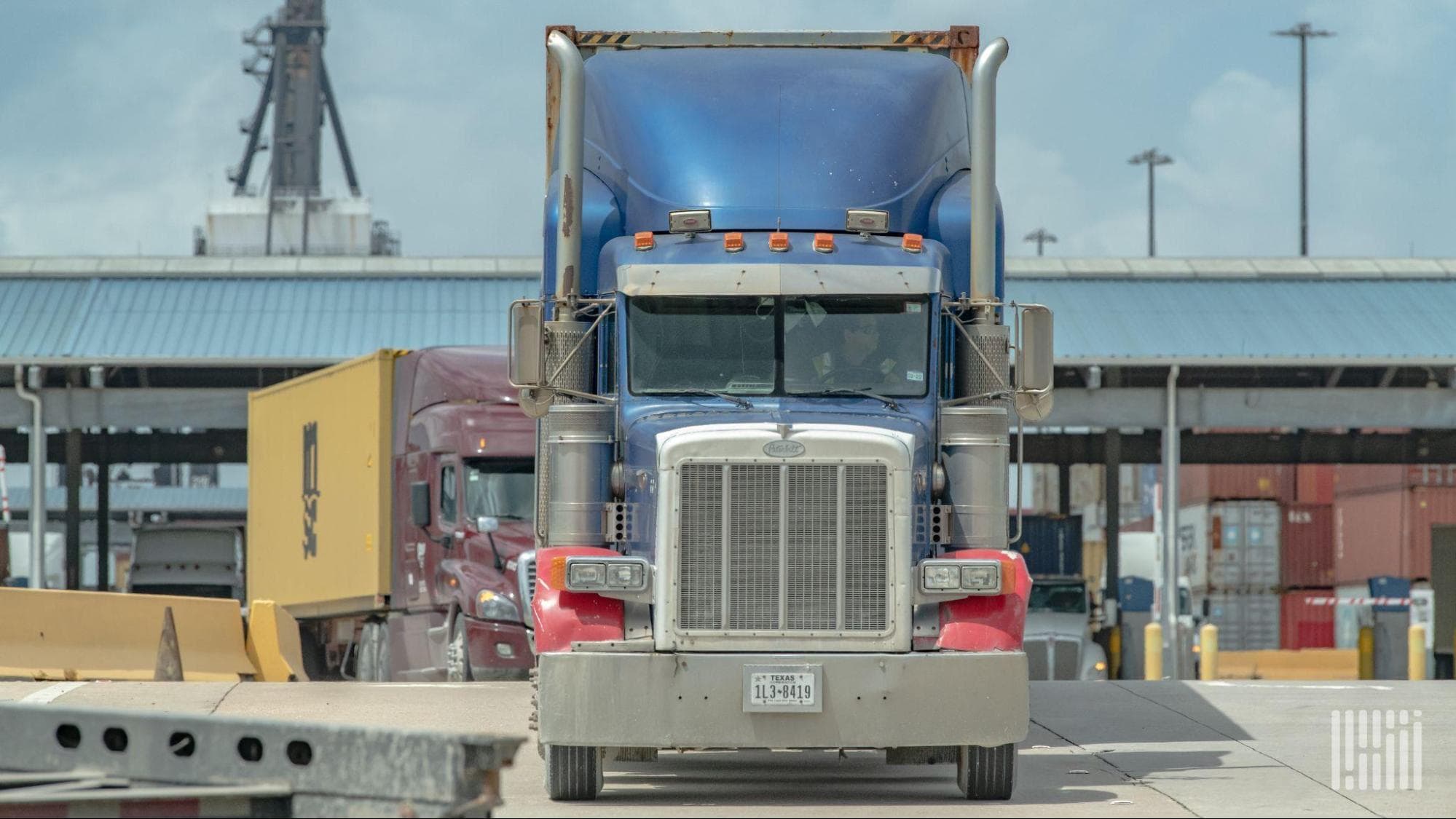
How Highway Is Becoming the 'Plaid for Freight' in the Fight Against Cargo Theft
The freight and trucking industry is experiencing a technological awakening that closely mirrors one of the most important revolutions in modern finance. When Plaid emerged as the connective tissue linking consumer bank accounts to lending platforms, it fundamentally changed how trust was established in financial transactions. Today, a strikingly similar transformation is underway in freight — and a company called Highway is positioning itself at the center of it.
Highway's Chief Commercial Officer, Michael Caney, put it plainly in a recent interview with FreightWaves: "Highway is Plaid." That bold comparison isn't just marketing language. It reflects a serious and well-timed strategic vision — one that arrives precisely as cargo theft is evolving in ways that are catching shippers, brokers, and carriers off guard.
The Fintech Blueprint Applied to Trucking
To understand why the Plaid analogy resonates, it helps to recall what Plaid actually did. Before Plaid, the process of verifying a borrower's financial information was manual, slow, and riddled with opportunities for fraud. Lenders operated largely on good faith. Plaid changed that by creating a standardized, trusted data layer that allowed institutions to verify identity and financial behavior in real time.
The freight industry has been operating under a similar cloud of uncertainty for years. Brokers and shippers have had limited, fragmented tools for verifying who they're actually handing freight to. Carrier identity has historically been easy to falsify, and the consequences — stolen cargo, fraudulent double-brokering schemes, and financial losses — have been enormous.
Highway's platform is designed to be the identity and behavioral verification layer that trucking has long needed. According to Caney, the platform essentially asks carriers a defining question: "Are you willing to tell the truth about who you are? And are you willing to let the world know if something changes?" When carriers are not willing to answer honestly, that hesitancy itself becomes a meaningful signal.
The Shifting Landscape of Freight Fraud
One of the most important and underreported developments in the cargo theft space is the nature of the threat itself. For years, double-brokering — the practice of a fraudulent actor impersonating a legitimate carrier to intercept loads — was the dominant form of freight fraud. Identity theft, fake MC numbers, and cloned carrier profiles were the go-to tools of bad actors.
That model is changing, and Highway's own technology is partly responsible for that shift. As identity verification tools have become more sophisticated and widely adopted, impersonating a legitimate carrier has become significantly harder. The low-hanging fruit of freight fraud has been picked, forcing criminals to adapt.
"The reason that we see direct theft rising is because it's no longer easy to impersonate a carrier," Caney explained. "We've made it harder. You actually have to be picking up freight for a while."
This is a double-edged development. On one hand, it represents a genuine win for identity verification technology. On the other hand, it reveals a more insidious new threat: legitimate carriers who have built a clean operating history and then choose to "break bad."
Detecting When Legitimate Carriers Go Rogue
The emerging challenge in cargo theft is no longer just about keeping fraudulent actors out of the system. It's about identifying when trusted participants inside the system begin behaving suspiciously. This is a far more nuanced problem — and it's one that Highway is tackling head-on through behavioral analytics.
Highway currently monitors approximately 2.5 million loads per month. Through that volume of data, the platform watches for behavioral anomalies that can signal an impending theft before it happens. Some of the red flags the system identifies include:
- A small carrier operation — say, five trucks — that suddenly begins booking an unusually high volume of loads, such as 100 in a short period.
- Carriers moving into high-value commodity lanes that they have no previous history operating in.
- Sudden spikes in user additions to a carrier's account, which may indicate a fraudulent takeover or rapid scaling of a criminal operation.
- Geographic mismatches between a carrier's typical operating territory and the location of a newly booked load.
"There are things that you can detect where you say, 'Man, that guy's gonna start stealing freight soon,'" Caney said. Highway geocodes facilities and analyzes the propensity of specific commodities, facilities, and traffic lanes to be targeted, then flags carriers who are moving into those lanes without an established track record there.
Why Proactive Detection Matters More Than Ever
The shift from reactive fraud response to proactive threat detection is significant. Historically, cargo theft was largely discovered after the fact — a load gone missing, a carrier unreachable, a broker left holding the bag. By the time fraud was confirmed, the cargo and the criminal were long gone.
Highway's approach is to move the detection window earlier in the process. By monitoring behavioral patterns continuously and at scale, the platform aims to surface warning signals before a theft occurs rather than after. This is where the Plaid comparison becomes most compelling: just as Plaid provides real-time financial signals that allow lenders to make better decisions, Highway provides real-time behavioral signals that allow brokers and shippers to make smarter freight decisions.
Building the Trust Layer Freight Has Always Needed
The freight industry moves trillions of dollars of goods every year, and yet for much of its history, it has lacked a reliable, standardized way to verify the identity and trustworthiness of its participants. That gap has cost the industry billions in cargo theft losses annually, not to mention the reputational and operational damage that comes with it.
Highway is betting that the industry is ready for its Plaid moment — a point at which identity and behavioral verification becomes a foundational layer of how freight moves rather than an optional add-on. As direct theft rises and the threat landscape becomes more complex, that bet looks increasingly well-placed.
For brokers, shippers, and carriers operating in today's environment, the message is clear: the question of who you're doing business with is no longer something you can afford to answer on good faith alone. Platforms like Highway exist to make trust in freight verifiable, scalable, and continuous — and that may be exactly the infrastructure the industry needs to stay one step ahead of an evolving threat.