
The Housing Market Has Flipped: Buyers Are Back in Control
If you tried to buy a home in the spring of 2022, you likely remember the chaos. Bidding wars erupted over modest starter homes. Properties disappeared from listings within hours. Buyers waived inspections, offered tens of thousands over asking price, and still walked away empty-handed. It was, by almost every measure, one of the most competitive housing markets ever recorded in the United States.
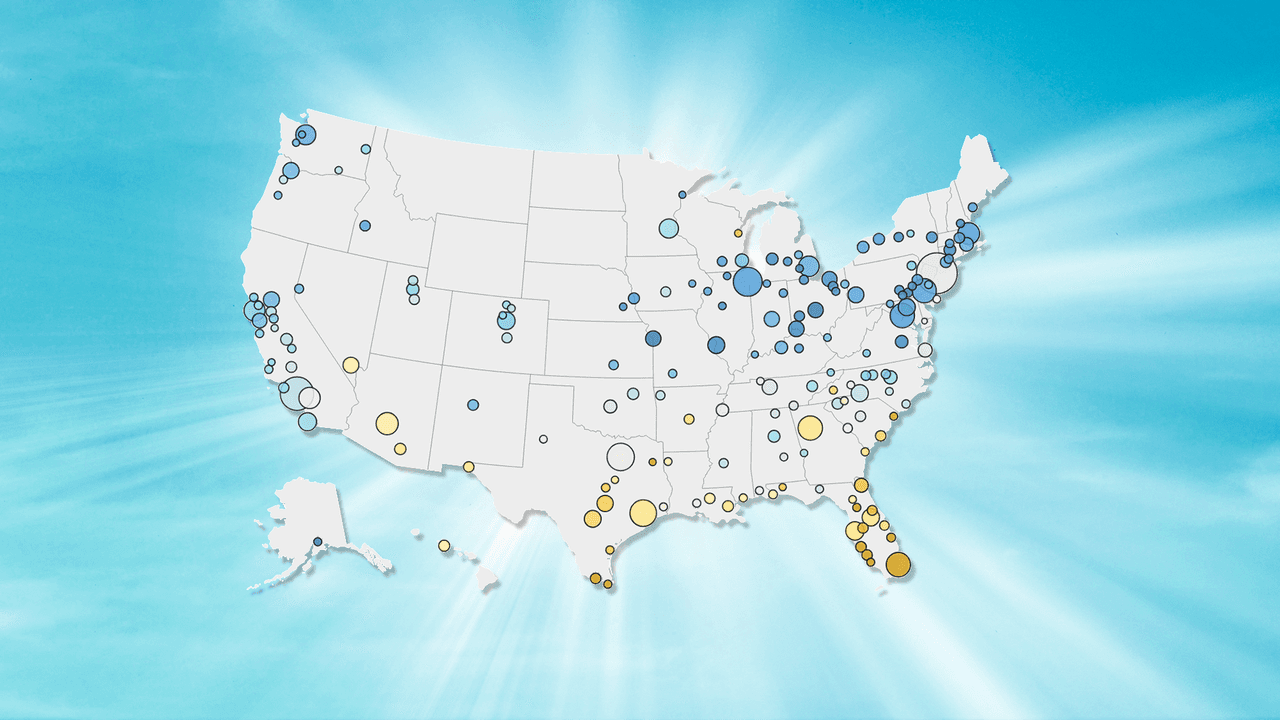
Fast forward to 2026, and the story has changed dramatically. Homes are sitting on the market longer. Sellers are negotiating. Buyers are asking for concessions. The frenzied seller's market of 2022 has cooled considerably, and in many parts of the country, the balance of power has shifted decisively toward the buyer. One of the clearest ways to track this shift is through a metric called median days to pending — and the numbers tell a striking story.
What Does 'Days to Pending' Actually Mean?
Before diving into the data, it helps to understand what "days to pending" measures and why it matters. When a home receives an accepted offer, it transitions from an active listing to a "pending" status — meaning the sale is under contract but not yet closed. The number of days it takes for a home to reach that pending status, starting from when it first hits the market, is what this metric captures.
This makes "median days to pending" one of the most responsive and leading indicators available for gauging housing market conditions. Because homes typically go pending weeks before a sale officially closes, this metric surfaces shifts in buyer demand and seller leverage far sooner than traditional closed-sale data. In a hot market, days to pending shrinks. In a cooling market, it expands. It is a real-time pulse on whether buyers or sellers hold the upper hand at any given moment.
The Numbers: How Much Has the Market Changed Since 2022?
According to data from Zillow, the typical U.S. home listed for sale in May 2026 went pending after roughly 18 days. That figure might not sound significant on its own — but compare it to May 2022, when the national median days to pending was just six days, and the scale of the shift becomes immediately clear.
That is a threefold increase in the time it takes for the average American home to find a buyer. Three times longer on the market means three times more opportunity for buyers to tour homes carefully, conduct thorough inspections, compare options, and negotiate on price and terms. For homebuyers who were shut out of the market during the pandemic-era frenzy, these conditions represent a meaningful opening.
This national-level change alone is significant, but the picture becomes even more interesting — and more nuanced — when you look at individual metro areas and regional markets. Not every market has shifted equally, and understanding where the most change has occurred is key to identifying where buyer power is strongest today.
Why Did the Market Cool So Significantly?
To understand where the market is now, it helps to understand how it got here. The extreme competitiveness of 2022 was driven by a confluence of forces: historically low mortgage rates that made home financing exceptionally affordable, surging demand from millennials entering prime homebuying years, and a chronic undersupply of available homes. Buyers flooded the market, and inventory simply could not keep pace.
Then the Federal Reserve began aggressively raising interest rates to combat inflation. Mortgage rates climbed sharply, from roughly 3% in early 2022 to over 7% by late 2022 and into 2023. This created what many analysts call a "lock-in effect" — existing homeowners who had locked in low rates became reluctant to sell and trade their low-rate mortgage for a much more expensive one. Supply remained constrained, but demand also pulled back sharply as affordability deteriorated.
The result has been a slower, more cautious market. New listings have gradually increased in some regions, while buyer demand has remained tempered by elevated mortgage rates and stretched home prices. In markets where new inventory has grown the most — particularly across parts of the Sun Belt and Mountain West — the shift toward buyer-friendly conditions has been most pronounced.
What This Means for Homebuyers Today
For prospective buyers, a rising days-to-pending figure carries several practical implications worth understanding before entering the market.
- More time to decide: Unlike the frantic pace of 2022 when buyers sometimes had hours to make decisions, today's buyers in many markets have days or even weeks to evaluate a property carefully before making an offer.
- Room to negotiate: When homes sit longer, sellers become more flexible. Buyers are increasingly successful in negotiating on price, requesting seller-paid closing costs, and making offers contingent on satisfactory home inspections.
- Less competition per listing: With homes receiving fewer simultaneous offers in many markets, buyers can approach the process more strategically rather than reflexively escalating bids out of fear of losing a property.
- Greater ability to walk away: A market where homes linger gives buyers the confidence to walk away from a deal that does not feel right, rather than accepting unfavorable terms out of desperation.
Not All Markets Are Created Equal
It is important to note that while the national trend points to more buyer power, the U.S. housing market is highly local. Some metro areas — particularly those with persistently low inventory and strong job markets — remain competitive, with homes still going pending quickly. Others, especially those that saw explosive pandemic-era growth followed by affordability ceilings, have softened considerably and now clearly favor buyers.
Markets across Florida, Texas, and parts of the Southwest have seen some of the largest increases in days to pending over the past several years, reflecting both a surge in new construction adding inventory and a slowdown in the in-migration that drove demand during the pandemic. Meanwhile, supply-constrained markets in the Northeast and parts of the Midwest have seen comparatively smaller shifts, meaning competition there remains more intense.
Tracking Days to Pending as a Homebuyer Strategy
For anyone actively searching for a home, monitoring the days-to-pending metric in your target market is a smart and underutilized strategy. Many real estate platforms and local market reports publish this figure regularly. Watching whether it is trending up or down over recent months can tell you a great deal about whether conditions are becoming more or less favorable — often before that shift shows up in listing prices or closed-sale statistics.
The spring 2022 housing market was a painful lesson for millions of buyers who found themselves outbid and out of options. The spring 2026 market, by contrast, offers something many of those buyers gave up hoping for: time, options, and negotiating power. Understanding the data — and knowing where to look — is the first step to making the most of it.