
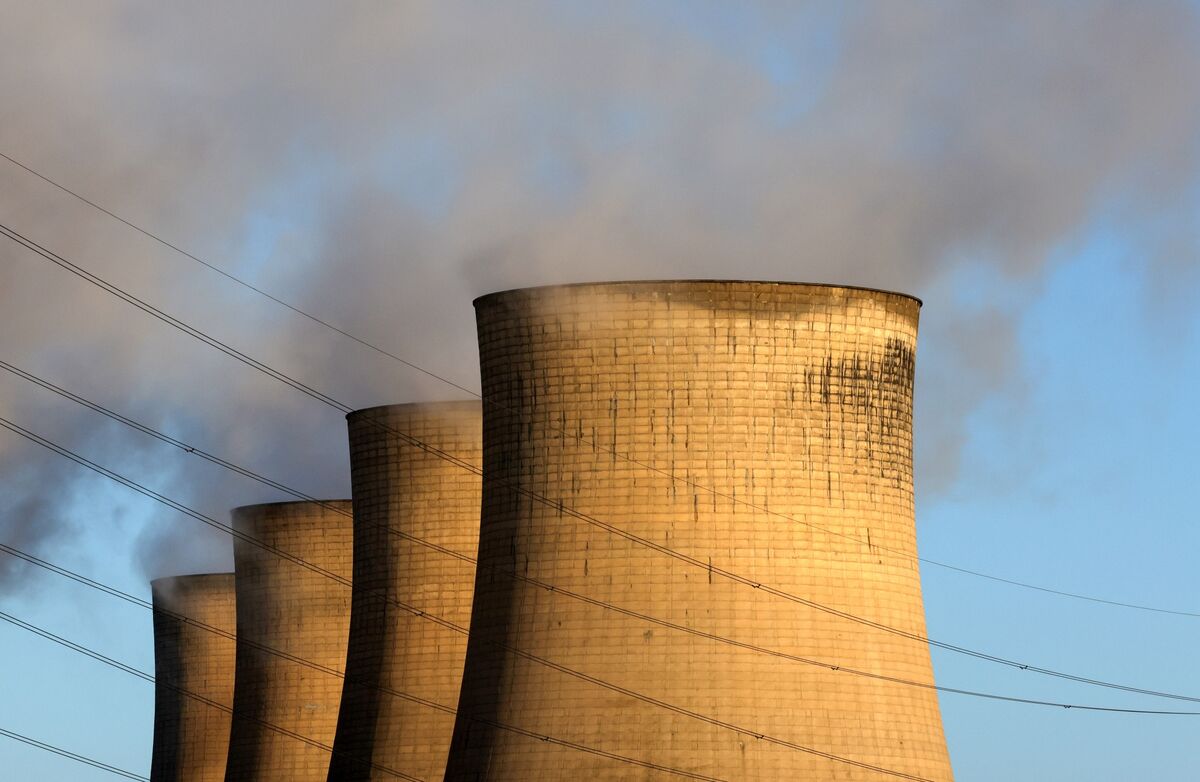
Huachen Energy Moves to Restructure $627 Million in Dollar Bonds
Chinese power producer Huachen Energy Co. is preparing to present a fresh debt restructuring proposal to bondholders as early as August, according to people familiar with the matter. The plan involves reorganizing approximately $627 million in dollar-denominated notes, along with other bond obligations, as the company seeks to manage mounting liquidity pressure that has rattled investor confidence in recent months.
The move marks one of the most significant steps Huachen Energy has taken to address its financial difficulties, and it places the firm alongside a growing list of Chinese energy and property companies that have struggled to meet offshore debt obligations in the post-pandemic economic environment. Understanding the background, scope, and potential implications of this restructuring effort is essential for investors, analysts, and anyone tracking the health of China's energy sector.
Background: Who Is Huachen Energy?
Huachen Energy Co. is a Chinese power producer with interests in coal-fired power generation and related energy infrastructure. Like many state-linked or regionally backed energy enterprises in China, the company expanded aggressively during years of cheap credit, accumulating a significant portfolio of assets — and a substantial debt load to go along with them.
The firm issued dollar-denominated bonds as part of its offshore financing strategy, tapping international capital markets to fund operations and expansion. This approach was common among Chinese corporates throughout the 2010s, when global interest rates were low and overseas investors were eager for higher-yielding emerging market paper. However, when liquidity conditions tightened and revenue streams came under pressure, servicing that foreign-currency debt became increasingly difficult.
What Triggered the Debt Revamp?
The immediate catalyst for the restructuring proposal appears to be a payment delay — a missed or deferred obligation that signals the company can no longer service its debt on the originally agreed terms. Payment delays of this nature typically trigger cross-default clauses in bond indentures, meaning that a single missed payment can accelerate the maturity of multiple debt instruments simultaneously, creating a cascading liquidity crisis.
For Huachen Energy, the situation underscores a broader challenge facing Chinese energy producers: squeezed margins resulting from fluctuating fuel costs, regulatory pricing constraints on electricity tariffs, and a capital-intensive business model that demands constant investment. When revenue growth slows and financing costs remain high, the gap between cash inflows and debt service obligations can widen quickly.
The Proposed Restructuring Plan
While the precise terms of Huachen Energy's restructuring proposal have not yet been made public, the company is expected to present its plan to investors as early as August. Debt restructurings of this type typically involve one or more of the following mechanisms:
- Maturity extension: Pushing back the repayment date on existing bonds, giving the issuer more time to generate cash flow or refinance at better terms.
- Haircut on principal: Asking bondholders to accept a reduced face value on their notes in exchange for faster or more certain repayment.
- Interest rate adjustment: Modifying coupon payments — either reducing them temporarily or deferring accrued interest — to ease near-term cash flow pressure.
- Debt-for-equity swap: Converting a portion of bond obligations into an ownership stake in the company, aligning creditor incentives with the firm's long-term recovery.
Creditors will evaluate any proposal against the alternative — a drawn-out insolvency process that could result in even lower recovery rates. In many Chinese restructuring cases, offshore bondholders have found themselves in a structurally disadvantaged position compared to onshore creditors, making early negotiation critical to maximizing returns.
Implications for Offshore Bondholders
For international investors holding Huachen Energy's dollar-denominated notes, the announcement of a restructuring proposal introduces a period of heightened uncertainty. Bond prices for distressed Chinese credits typically trade well below par during negotiations, reflecting the market's assessment of expected recovery values and the timeline for resolution.
Bondholders will need to form creditor committees, engage financial and legal advisors, and scrutinize the company's audited financial statements to assess the true state of its balance sheet. One persistent challenge in Chinese debt workouts is limited financial transparency, which can make it difficult to verify asset values and the priority of competing claims.
The outcome of this restructuring will be closely watched as a potential benchmark for how similar Chinese energy credits are handled — particularly given ongoing stress in parts of the sector.
Broader Context: China's Offshore Debt Stress
Huachen Energy's situation is part of a larger pattern that has emerged in China's corporate bond market since 2021. Beginning with the high-profile defaults in the property sector, liquidity stress has spread to other industries, including energy, local government financing vehicles, and infrastructure. The Chinese government has encouraged negotiated restructurings over outright defaults where possible, but the process remains complex and often lengthy.
International investors have grown more cautious about Chinese high-yield dollar bonds as a result, demanding higher risk premiums and conducting deeper due diligence before committing capital. This has raised overall borrowing costs for Chinese issuers in offshore markets and limited access to new financing for companies perceived as vulnerable.
What Happens Next?
The coming weeks will be decisive for Huachen Energy. Once the restructuring proposal is formally presented to bondholders in August, creditors will have an opportunity to review the terms, raise objections, and negotiate modifications. Reaching a consensual agreement requires a supermajority of bondholders — typically 75% or more by value — to approve any changes to bond terms under standard indenture provisions.
If negotiations succeed, the restructured bonds will likely trade on revised terms with a new maturity schedule and potentially altered coupon rates. If talks break down, the company could face formal insolvency proceedings, which would involve Chinese courts and could further complicate the position of offshore creditors.
For now, all eyes are on August. Investors, analysts, and market observers will be monitoring Huachen Energy's proposal closely — not only for what it means for this specific issuer, but for what it signals about the health and trajectory of China's broader corporate credit landscape.