
India-USEC Ocean Rates Surge to a 20-Month High as Capacity Tightens
Ocean freight rates on the India to US East Coast (USEC) trade lane have climbed to their highest level in nearly two years, reaching a 20-month high amid a significant tightening of available capacity. The surge has been driven by a combination of structural service withdrawals and a wave of blank sailings that have collectively reduced the volume of space accessible to shippers. For importers, exporters, and logistics managers who depend on this critical trade corridor, the developments signal a challenging period ahead that demands careful planning and proactive freight management.
What Is Driving the Rate Spike on the India-USEC Trade Lane?
Two primary forces are converging to push ocean freight rates sharply upward on the India-USEC corridor. The first is the withdrawal of MSC's Indus Express service, a dedicated offering that had been providing reliable capacity between Indian ports and ports along the US East Coast. The second is a series of blank sailings — cancelled voyages — across competing carrier networks, which has further stripped available space from the market at a moment when demand remains firm.
MSC Withdraws Its Indus Express Service
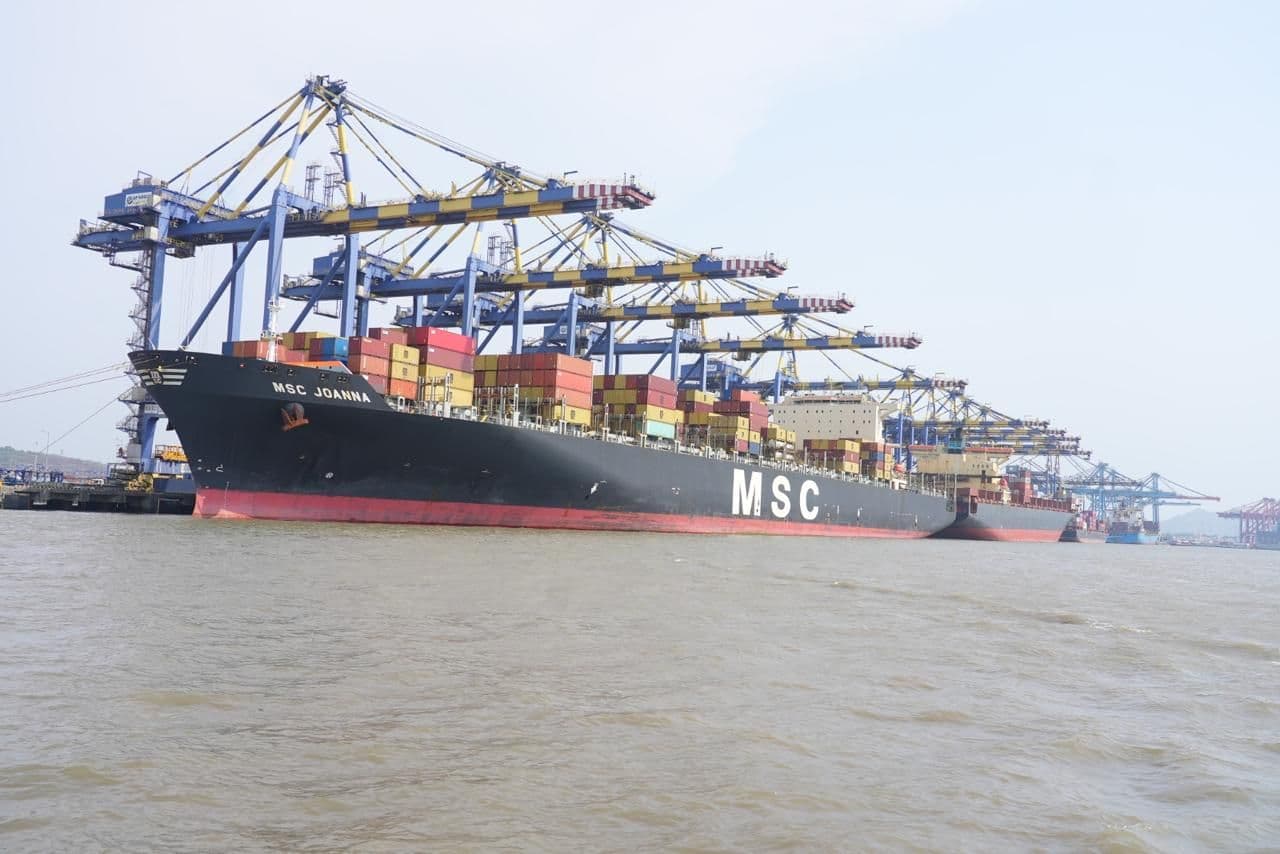
The withdrawal of the MSC Indus Express service represents one of the most consequential single-carrier decisions to affect the India-USEC trade lane in recent memory. MSC, the world's largest container shipping line by fleet capacity, had operated the Indus Express as a dedicated string connecting key Indian gateway ports with major US East Coast destinations. Its removal from the market has eliminated a meaningful block of weekly capacity, leaving shippers with fewer options and less competitive pricing leverage.
When a major carrier pulls a direct service from a trade lane, the effects ripple across the entire market. Shippers who relied on the Indus Express must now either secure space on alternative services — often at higher rates — or accept longer transit times through transshipment hubs. Both outcomes increase the overall cost and complexity of moving cargo from India to the US East Coast, and the rate data is already reflecting this new reality.
Six Blank Sailings Compound the Capacity Crunch
Adding fuel to the fire, competing carrier networks on the India-USEC trade lane have reported significant schedule disruptions in the form of six blank sailings. Blank sailings occur when a carrier cancels a scheduled vessel departure, typically in response to operational challenges such as port congestion, equipment imbalances, or deliberate capacity management decisions. Regardless of the underlying cause, the effect on the market is the same: less space, higher rates, and reduced predictability for cargo owners.
Six blank sailings within a relatively short window represents a substantial reduction in available capacity, particularly on a trade lane where total weekly slot availability is not unlimited. When multiple blank sailings occur simultaneously across different carrier networks, the compounding effect can rapidly tip the market from balanced to severely tight — exactly the scenario playing out on the India-USEC corridor today.
Understanding the 20-Month High: What the Numbers Mean for Shippers
Reaching a 20-month rate high is not a minor fluctuation — it is a significant market signal. A 20-month high means that current rates are the most expensive they have been since approximately late 2023, a period when global supply chains were still navigating the aftermath of pandemic-era disruptions and elevated consumer demand. The fact that rates have returned to, and now exceeded, those levels without a comparable demand boom suggests the current spike is primarily supply-side in nature, driven by the capacity reductions described above.
For shippers, this distinction matters. A demand-driven rate spike tends to be self-correcting as high prices dampen buying activity. A supply-driven spike, by contrast, can persist for as long as the underlying capacity constraints remain in place. Until MSC re-enters the trade lane with a replacement service and until blank sailing patterns normalize, upward pressure on India-USEC freight rates is likely to continue.
Strategic Implications for Importers and Freight Buyers
Businesses that regularly move goods between India and the US East Coast should take the current market conditions seriously and consider a range of strategic responses to protect their supply chains and cost structures.
- Secure space early: In a capacity-constrained market, waiting until the last minute to book container space is a risky strategy. Shippers should engage their freight forwarders and carriers well in advance to lock in allocations before available slots are absorbed by competitors.
- Explore alternative routings: While direct India-USEC services may be under pressure, transshipment options via hubs such as Colombo, Singapore, or Port Klang can offer access to additional capacity, albeit with longer transit times.
- Consider contract rates: In a volatile spot market, negotiating short- to medium-term contract rates may offer greater price stability than relying on spot bookings subject to daily market fluctuations.
- Diversify carrier relationships: Relying heavily on a single carrier or service string increases vulnerability when that service faces disruption. Building relationships across multiple carriers provides flexibility and fallback options.
- Monitor market developments closely: The situation on the India-USEC trade lane is evolving. Any announcement from MSC regarding a replacement service, or any normalization of blank sailing patterns, could shift market dynamics relatively quickly.
The Broader Context: Ocean Freight in a Period of Structural Change
The rate spike on the India-USEC trade lane does not exist in isolation. It reflects broader dynamics reshaping the global container shipping industry, including ongoing alliance restructuring among the major carriers, continued adjustments to network designs in response to geopolitical disruptions, and persistent volatility in key trade corridors worldwide. Shipping lines are constantly recalibrating their services, and when a major player like MSC makes a significant network decision, the consequences extend far beyond the immediate trade lane.
India's export economy, which encompasses a wide range of goods from textiles and pharmaceuticals to engineering products and consumer goods, is particularly sensitive to freight rate movements on the USEC corridor. The US East Coast represents one of the most important destination markets for Indian exporters, and elevated freight costs can erode margins, complicate pricing strategies, and ultimately affect competitiveness in the American market.
Outlook: When Might Rates Stabilize?
The near-term outlook for India-USEC ocean freight rates remains uncertain. Rate stabilization is likely to depend on whether additional carrier capacity enters the trade lane to replace the void left by the MSC Indus Express withdrawal, and on whether the current pattern of blank sailings across competing networks subsides. Industry observers will be watching closely for any announcements from major carriers regarding new or expanded services on the corridor, as well as for any shifts in demand patterns that might ease pressure on available space.
Until clearer signals emerge, shippers should plan conservatively, assume elevated rate conditions will persist in the medium term, and invest in close communication with their logistics partners to navigate what remains a highly fluid and challenging freight environment.