
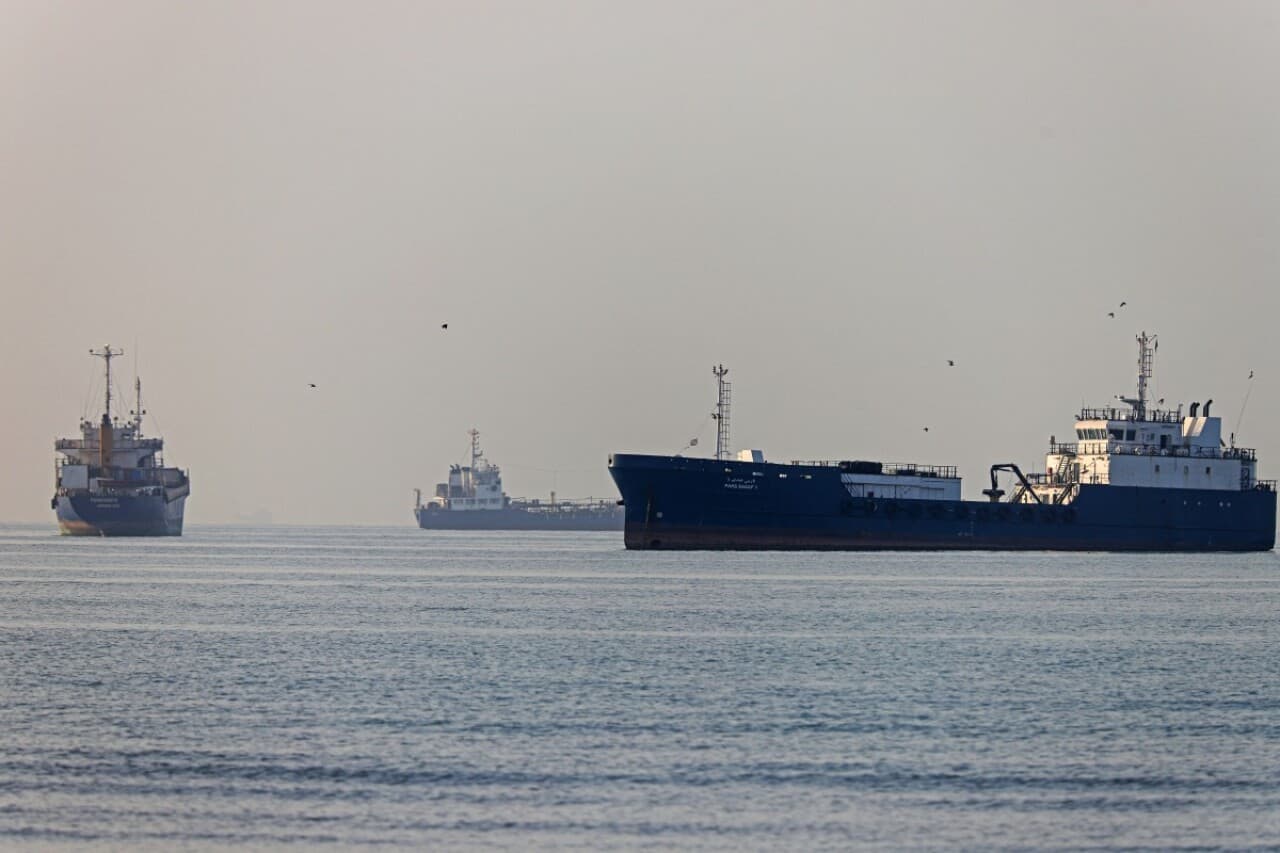
Iran Closes the Strait of Hormuz in Response to Israeli Strikes in Lebanon
In a dramatic escalation of Middle East tensions, Iran's central military command announced on Saturday the formal closure of the Strait of Hormuz, one of the world's most strategically vital maritime passages. The announcement, broadcast through Iranian state television, came in direct response to Israeli military strikes in southern Lebanon, which Iranian authorities characterized as a blatant violation of an existing agreement between Tehran and Washington. The move sent immediate shockwaves through global energy markets, international shipping networks, and diplomatic corridors around the world.
What Did Iran's Military Command Actually Say?
According to the official communiqué released by Iran's central military command and aired on state television, the Strait of Hormuz "will be closed to the passage of vessels." Iranian officials were unambiguous in framing this action not as an act of aggression, but as a calculated and measured response to what they described as a broken promise by their adversaries.
The statement specifically described the closure as a "first step" — language that carried unmistakable weight. Iranian military officials warned that "if the aggression continues, new measures will be planned to force the enemy to fulfill its obligations." This phrasing suggests that Tehran is treating the Hormuz closure not as a final action, but as the opening move in a broader pressure campaign, leaving room for further escalation should the situation not resolve in Iran's favor.
The reference to Israel's actions in southern Lebanon as a "violation of the agreement with the United States" points to a complex web of diplomatic understandings and back-channel negotiations that Iranian leadership now considers null and void. While the specific terms of that referenced agreement have not been fully disclosed publicly, the accusation carries serious geopolitical implications, framing Israel's military operations as an indirect breach of commitments made by a third party — the United States.
The United States Responds: "Present and Vigilant"
Within hours of Iran's announcement, the United States Central Command issued its own statement, pushing back firmly against any suggestion that American forces would stand down or withdraw from the region. The response was measured but firm, signaling that Washington had no intention of allowing the closure to go unchallenged.
"U.S. forces remain present and vigilant to ensure that all aspects of the agreement with Iran are complied with, respected, and remain fully in force," the U.S. Central Command stated. The choice of words was deliberate. By referencing the same agreement Iran cited, Washington effectively entered into a public dispute over who, if anyone, had violated its terms — a dispute with enormous implications for regional stability and global trade.
The U.S. military presence in and around the Strait of Hormuz is well-established and considerable. American naval assets routinely patrol these waters, and the Pentagon has historically treated freedom of navigation through the strait as a core national interest. Saturday's declaration reinforced that position without escalating to explicit threats, a carefully calibrated response designed to reassure allies and signal resolve to adversaries simultaneously.
Why the Strait of Hormuz Matters So Much
To understand why this development is so consequential, it is essential to grasp the Strait of Hormuz's role in the global economy. This narrow waterway, located between Iran and the Arabian Peninsula, is roughly 33 kilometers wide at its narrowest point. Despite its modest physical dimensions, it serves as the primary outlet for the Persian Gulf's vast oil and natural gas exports.
- Approximately 20 to 21 percent of the world's total oil consumption passes through the Strait of Hormuz annually, making it the single most important oil chokepoint on the planet.
- Major petroleum exporters including Saudi Arabia, the United Arab Emirates, Kuwait, Iraq, and Iran itself depend on the strait for the vast majority of their export capacity.
- Liquefied natural gas shipments from Qatar, one of the world's largest LNG exporters, also transit through Hormuz in enormous volumes.
- Any sustained closure or meaningful disruption of shipping through the strait would trigger immediate and severe spikes in global oil and gas prices, with cascading effects on inflation, transportation, and industrial production worldwide.
Iran has periodically threatened to close the strait during periods of heightened tension with Western powers, but Saturday's announcement represents one of the most direct and formal declarations of such a closure in recent memory, making the international community's response all the more urgent.
The Broader Context: Israel, Lebanon, and Regional Escalation
Iran's decision to invoke the Strait of Hormuz closure cannot be understood in isolation from the broader dynamics of the Middle East conflict. Israeli military operations in southern Lebanon have intensified significantly, with strikes targeting areas that Iran and its regional allies consider within their sphere of influence and security interest. Iran has long maintained close ties with Hezbollah, the Lebanese militant organization and political movement, and views Israeli military action in Lebanon as a direct threat to its strategic network across the region.
By linking the Hormuz closure explicitly to events in Lebanon, Tehran is signaling that it views these conflicts as interconnected — and that pressure applied in one theater will generate consequences in others. This "linked escalation" doctrine is a hallmark of Iranian strategic thinking and reflects a broader effort to deter Israeli and American action by raising the economic and logistical costs for the international community.
What Happens Next?
The coming days will be critical in determining whether this situation de-escalates through diplomatic channels or spirals into a broader confrontation. Several scenarios are plausible. Diplomatic back-channels between Washington and Tehran could produce a quiet resolution that allows both sides to claim their interests have been addressed. Alternatively, continued military activity in Lebanon could prompt Iran to follow through on its warning of "new measures," pushing the confrontation to a new and more dangerous level.
International observers, energy markets, and allied governments will be watching the U.S. military's posture in the strait closely. Any movement of additional naval assets to the region would signal that Washington is preparing for a prolonged standoff rather than a swift diplomatic resolution. For now, the world watches and waits as two of the region's most powerful military actors hold their ground over one of the planet's most consequential waterways.