
Iran and the United States Open High-Stakes Nuclear Talks in Switzerland
In one of the most consequential diplomatic events of recent years, Iran and the United States have begun direct negotiations in Switzerland, with the future of Tehran's nuclear program, sweeping economic sanctions, and the stability of global oil markets all hanging in the balance. The talks, which commenced on Sunday, represent a critical window of opportunity to de-escalate tensions that have kept energy markets on edge and brought the Middle East to the brink of a broader conflict.
The arrival of the Iranian delegation in Bern signaled that both sides are, at least for the moment, willing to sit across the table. But with the Strait of Hormuz recently closed by Tehran and regional violence intensifying in Lebanon, the path to any lasting agreement remains treacherous and deeply uncertain.
Who Is at the Negotiating Table?
The Iranian delegation arriving in Switzerland is notably high-powered, reflecting just how seriously Tehran is approaching these talks. According to Iranian state television, the team includes Mohammad Baqer Qalibaf, the chief negotiator and Speaker of the Iranian Parliament, Foreign Minister Abbas Araghchi, and Abdolnaser Hemmati, the Governor of the Central Bank of Iran. The inclusion of the central bank governor is particularly telling — it underscores that lifting crippling economic sanctions is just as central to Iran's agenda as any nuclear concessions.
On the American side, Vice President JD Vance is expected to join the delegation, alongside Special Envoy Steve Witkoff and Jared Kushner, a close advisor to President Donald Trump. Speaking to Fox News ahead of his departure, Vance acknowledged the delicate logistics involved, noting he expected to travel "sometime in the coming days." The presence of figures so close to the Trump administration signals that Washington is treating this round of diplomacy with unusual political weight.
What the Memorandum of Understanding Says
A memorandum of understanding signed on Wednesday laid out the framework for these negotiations. According to the document, both parties have agreed to a 60-day window to reach a final agreement. The core issues on the agenda are Iran's nuclear program and the lifting of sanctions that have strangled the Iranian economy for years. Swiss authorities confirmed that preparatory conversations between delegations had already begun on Saturday, while Iran's Foreign Ministry separately announced "technical negotiations" on Sunday, conducted in the presence of mediator nations Qatar and Pakistan.
The involvement of Qatar and Pakistan as mediators is not incidental. Both countries maintain channels of communication with Tehran that Washington does not, and their presence helps provide a degree of diplomatic insulation if direct talks become heated or stall.
The Strait of Hormuz: A Choke Point for the World Economy
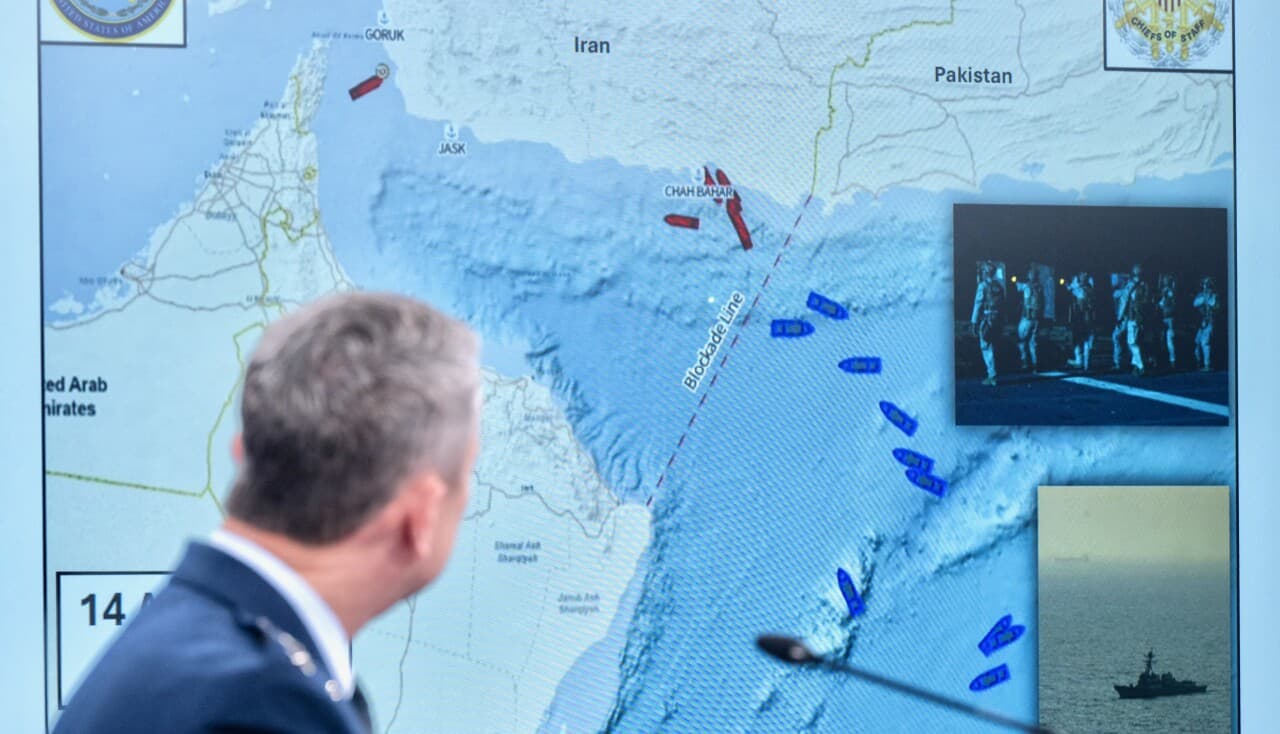
Perhaps no element of this story carries greater global economic implications than the Strait of Hormuz. Tehran announced a new closure of this strategically vital waterway, citing Israeli military actions in Lebanon as a violation of its existing agreements with the United States. The announcement sent immediate ripples through energy markets worldwide.
The Strait of Hormuz is the narrowest point through which a staggering portion of the world's oil supply must pass. Roughly 20 percent of all global oil trade — and nearly a third of all liquefied natural gas (LNG) — transits this chokepoint on any given day. A sustained closure or even a credible threat of one is enough to spike crude oil prices dramatically, impacting everything from gasoline prices at the pump in the United States and Europe to the energy costs of manufacturing industries in Asia.
Iran has historically used the threat of closing the strait as one of its most powerful pieces of geopolitical leverage. The fact that it has now acted on that threat, even under circumstances it frames as a response to external aggression, is a reminder that these negotiations are taking place against an extremely volatile backdrop.
Regional Tensions Threatening the Diplomatic Process
Iranian Foreign Ministry spokesman Esmail Baqaei issued a stark warning on Saturday, stating that the memorandum of understanding signed between the two countries was "in danger" if its clauses were not implemented quickly. He pointed specifically to the ongoing clashes between Israel and Hezbollah in Lebanon as a direct violation of what Tehran understood to be its agreement with Washington.
This accusation adds a significant layer of complexity to the Switzerland talks. Iran views Israel's military operations in Lebanon as inextricably linked to its own security calculus, and any perception that the United States is giving Israel a free hand while simultaneously demanding Iranian nuclear concessions will be politically untenable for Tehran's negotiating team to accept domestically.
What a Deal Could Mean for Global Energy Markets
If negotiators succeed in reaching even a partial agreement within the 60-day window, the consequences for global energy markets could be profound and far-reaching. A genuine diplomatic breakthrough would likely result in:
- The gradual lifting of US-led sanctions on Iranian oil exports, potentially adding over one million barrels per day back to the global market and applying downward pressure on crude prices.
- A reopening of the Strait of Hormuz and a reduction in maritime insurance premiums for tankers operating in the Persian Gulf region.
- A broader de-escalation in the Middle East that could reduce the geopolitical risk premium currently embedded in oil futures pricing.
- New investment opportunities in Iran's vast but underutilized energy sector, which holds the world's second-largest natural gas reserves and fourth-largest proven oil reserves.
The Road Ahead: Challenges and Opportunities
Despite the optimism that any resumption of direct diplomacy generates, enormous obstacles remain. Iran's domestic political landscape is fragmented, with hardliners deeply skeptical of any deal that does not guarantee permanent sanctions relief. On the American side, congressional opposition to any agreement that does not permanently and verifiably eliminate Iran's nuclear capabilities will be fierce.
The 60-day timeline is ambitious to the point of being almost unrealistic for a comprehensive agreement, but it could serve as a useful pressure mechanism to push both sides toward interim confidence-building measures. Even a partial deal — one that freezes uranium enrichment in exchange for limited sanctions relief — would help reduce immediate tensions and give diplomacy more space to operate.
What is clear is that the Switzerland talks are not merely a bilateral issue between Washington and Tehran. With the Strait of Hormuz under threat and global oil markets watching every development closely, the outcome of these negotiations has the potential to reshape energy economics, regional security, and the international non-proliferation framework for years to come. The world is watching Bern very carefully.