
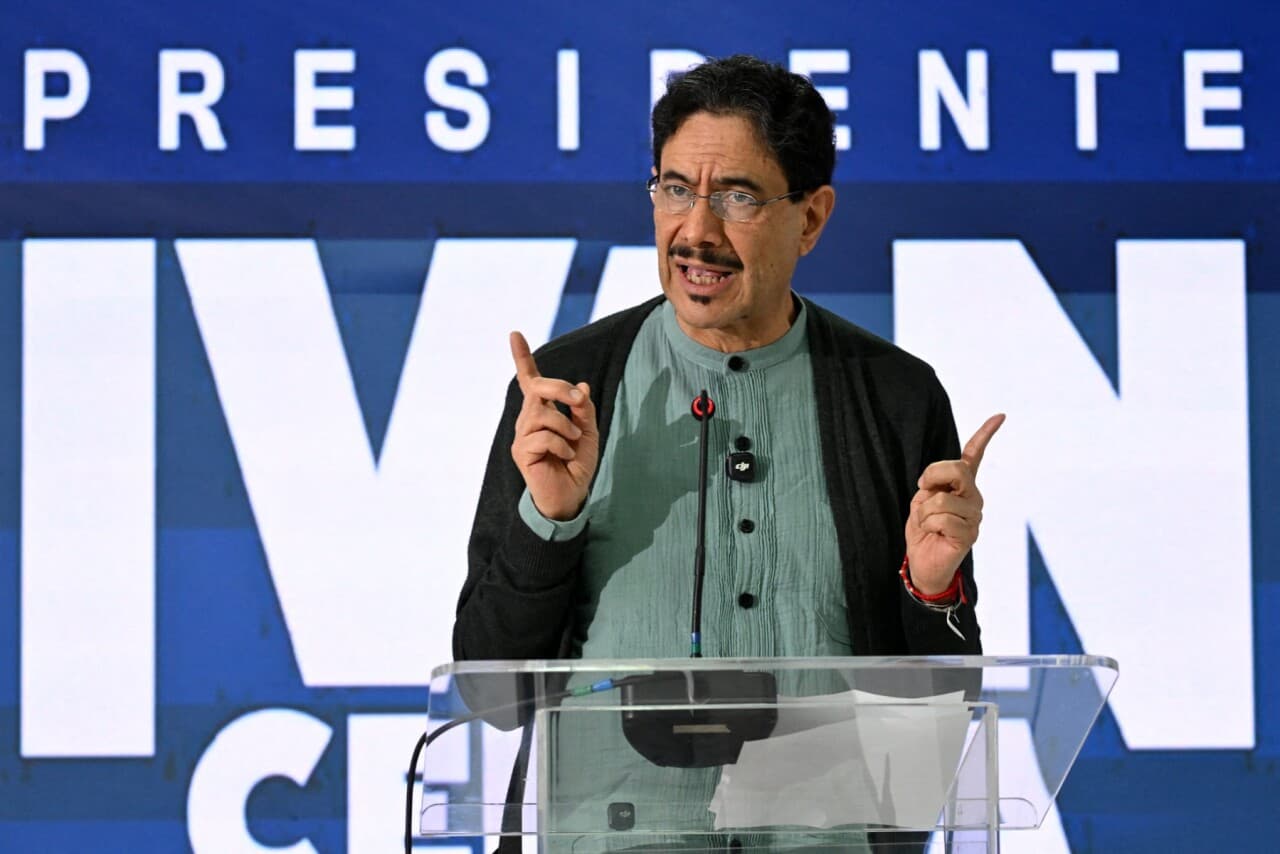
Iván Cepeda Concedes Colombia's Presidential Runoff to Abelardo de la Espriella
Three days after what is being described as the closest presidential runoff in Colombia's democratic history, left-wing candidate Iván Cepeda formally conceded defeat on Wednesday, acknowledging far-right politician Abelardo de la Espriella as the country's next president. The concession brings a tense and turbulent post-election period closer to resolution, though the political aftershocks of this extraordinarily narrow contest are far from over.
A Razor-Thin Margin That Shook the Nation
According to preliminary vote counts released on election Sunday, Cepeda — a sitting senator and prominent ally of current President Gustavo Petro — lost to De la Espriella by less than one percentage point. That margin, slim as it was, set off a wave of uncertainty and contestation that kept the country in a state of political limbo for days.
Cepeda had initially refused to accept the results outright, stating that he would only recognize the outcome once the official final tally — known as the escrutinio — was completed. That scrutiny process, handled by Colombia's electoral authority, the Registraduría, was still ongoing in the immediate aftermath of the vote. It was only after that process neared its conclusion that Cepeda agreed to formally step aside.
Cepeda's Concession Speech: A Call for Peace and Dialogue
Speaking at a press conference in Bogotá on Wednesday, Cepeda delivered a measured and statesmanlike concession. "I have decided to accept the result that emerges from this process and which indicates that Abelardo de la Espriella is the new president of the Republic," he told reporters. He framed his decision not as a surrender, but as a contribution to national unity: "I do so to contribute to coexistence, to peace, and to dialogue among Colombians."
The tone of the concession stood in stark contrast to the heated atmosphere that had engulfed the country in the days following the vote, and it was widely interpreted as an attempt to de-escalate tensions that had begun to manifest in street-level unrest.
Protests and Unrest in Bogotá and Cali
The narrow result triggered significant civil unrest in the days between the election and the concession. Supporters of Cepeda clashed with anti-riot police in several major Colombian cities, most notably Bogotá and Cali. Demonstrations reflected deep divisions within Colombian society, mirroring a political landscape that has grown increasingly polarized between progressive and far-right factions in recent years.
The protests were fueled not only by the closeness of the result but also by allegations of electoral irregularities raised at the highest levels of government.
Petro's Fraud Allegations and U.S. Involvement Claims
President Gustavo Petro, Cepeda's political ally and the outgoing head of state, did not hold back in the days following the vote. Petro publicly alleged potential vulnerabilities in the software used by the electoral authority, raising the specter of manipulation. More controversially, he suggested that the election result could be annulled due to what he described as "direct intervention" by the United States.
These allegations were tied to public statements made by former U.S. President Donald Trump, who expressed clear support for De la Espriella ahead of and following the vote. Trump's endorsement added an international dimension to an already fraught domestic situation, with critics of Petro dismissing his claims as unfounded and politically motivated, while his supporters viewed them as a legitimate concern about foreign interference in Latin American democracy.
Electoral Authority Defends the Vote's Integrity
The Registraduría, Colombia's independent electoral body responsible for administering and certifying elections, pushed back firmly against the fraud allegations. On Tuesday, the authority stated that the ongoing official count showed a 99.9% coincidence with the preliminary results announced on election night — an extraordinarily high level of consistency that they argued demonstrated the integrity of the process.
Independent observers also weighed in to validate the vote. An official monitoring mission from the European Union assessed the electoral process and found no evidence of widespread irregularities, lending additional international credibility to the result and further undercutting the fraud narrative.
Who Is Abelardo de la Espriella?
Abelardo de la Espriella is a far-right politician whose rise to the presidency represents a significant ideological shift for Colombia following several years under the leftist administration of Gustavo Petro. De la Espriella's platform and political positions align closely with a broader regional trend of right-wing electoral victories across Latin America, and his association with Donald Trump's political circle has drawn both enthusiasm from his supporters and deep concern from progressive sectors of Colombian society.
His election is expected to bring dramatic changes in domestic policy, particularly regarding security, economic management, and Colombia's relationship with the United States.
What Comes Next for Colombia?
With Cepeda's concession now official and the final electoral tally nearing completion, attention shifts to the transition of power. The coming weeks will be critical in determining how smoothly Colombia moves from the Petro administration to that of De la Espriella, especially given the charged atmosphere that has surrounded the election.
- The Registraduría is expected to officially certify De la Espriella's victory once the final scrutiny process concludes.
- President Petro's government will begin the formal handover of power, despite the sitting president's public skepticism about the legitimacy of the result.
- Civil society groups and political analysts will be closely watching whether the street protests subside following Cepeda's call for peace and dialogue.
- International observers, including the European Union mission, are likely to publish comprehensive reports on the electoral process in the coming days.
A Historic and Consequential Election
Regardless of one's political perspective, Colombia's 2026 presidential runoff will be remembered as a defining moment in the country's modern political history. The margin was historic in its thinness, the allegations were serious in their reach, and the outcome — the election of a far-right president following a period of leftist governance — marks a profound turning point. Iván Cepeda's decision to concede, while painful for his supporters, may prove to be a crucial act of democratic responsibility that helps preserve the institutional foundations Colombia will need to navigate whatever comes next.