
Japan and Korean Stocks Surge as Hormuz Reopen Deal Sparks Global Market Optimism
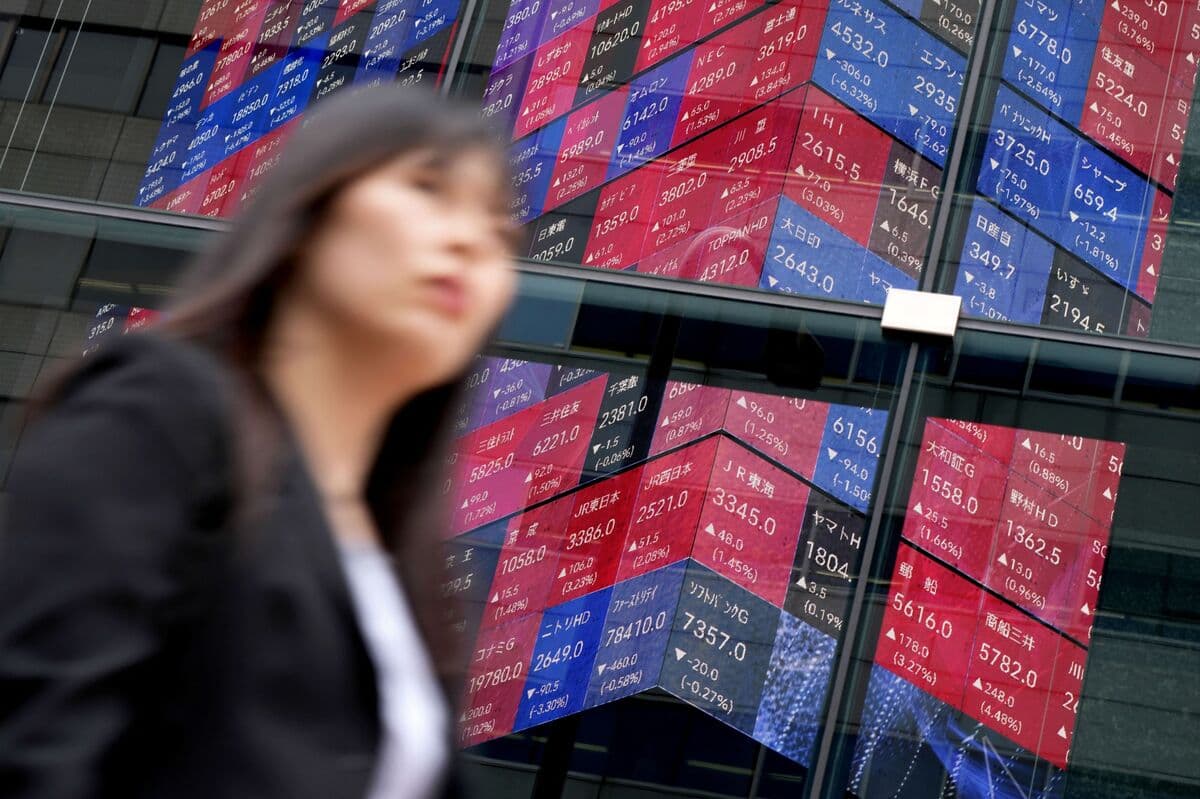
Asian financial markets erupted with enthusiasm as Japanese and South Korean stocks staged powerful rallies following a landmark announcement that the United States and Iran have agreed to sign a deal to reopen the Strait of Hormuz. Japanese equities climbed to record highs, while Korean shares posted significant gains, reflecting the enormous relief investors feel at the prospect of restored stability in one of the world's most strategically vital waterways. The development marks a potential turning point not only for regional supply chains but for the global economy as a whole.
What the US-Iran Hormuz Deal Means for Global Markets
The Strait of Hormuz is the narrow passage between the Persian Gulf and the Gulf of Oman through which roughly 20 percent of the world's oil supply flows daily. Any disruption to this corridor sends immediate shockwaves through energy markets, shipping costs, and the broader global economy. For months, elevated tensions in the region had kept traders on edge, pushing insurance premiums for vessels transiting the strait to historic levels and injecting persistent uncertainty into commodity pricing.
The announcement that Washington and Tehran have reached an agreement to reopen and stabilize the strait effectively removes one of the most significant geopolitical risk premiums that had been weighing on markets. Investors across Asia responded swiftly, rotating into equities and out of safe-haven assets as confidence in the near-term economic outlook improved sharply. The deal is being viewed not merely as a bilateral diplomatic achievement but as a catalyst for broader global economic stabilization.
Japan's Nikkei Climbs to Record Territory
Japanese stocks were among the biggest beneficiaries of the positive news, with the Nikkei index pushing into record high territory. Japan's economy is heavily dependent on imported energy, with the country sourcing a substantial portion of its crude oil and liquefied natural gas from Middle Eastern suppliers whose exports transit the Strait of Hormuz. Any prolonged closure or disruption of the strait directly threatens Japan's energy security and manufacturing competitiveness.
The prospect of smooth energy flows translated almost immediately into gains for Japanese exporters, manufacturers, and energy-intensive industries. Automotive giants, semiconductor producers, and electronics conglomerates all saw their share prices move higher as analysts revised their input cost forecasts downward. Lower energy and logistics costs effectively improve profit margins across Japan's export-driven industrial base, making the Hormuz deal disproportionately beneficial for Tokyo-listed equities.
Currency traders also reacted, with the Japanese yen experiencing modest movements as risk appetite across global markets improved. A more stable geopolitical environment typically reduces demand for the yen as a safe-haven currency, allowing Japanese exporters to benefit from competitive exchange rate dynamics that further support their bottom lines.
South Korean Markets Rally on Supply Chain Relief
South Korea's benchmark KOSPI index similarly posted strong gains as investors digested the implications of the Hormuz agreement. Like Japan, South Korea is almost entirely dependent on energy imports, with a particularly heavy reliance on Middle Eastern crude oil to power its petrochemical sector, steel mills, and semiconductor fabrication plants. The country's sprawling shipbuilding and logistics industries are also acutely sensitive to conditions in global shipping lanes.
Samsung Electronics, SK Hynix, POSCO, and other major Korean industrial conglomerates all stand to benefit from lower energy import costs and reduced supply chain disruption risks. The semiconductor sector in particular has been grappling with elevated freight costs and extended lead times for raw materials, and a reliable Hormuz passage would help normalize these pressures meaningfully.
South Korean authorities had been closely monitoring the situation in the Persian Gulf for months, and policymakers expressed cautious optimism about the deal's potential to restore predictability to critical input supply chains. Economists noted that even a partial normalization of shipping conditions through the strait could deliver a measurable boost to Korea's industrial output in the coming quarters.
Broader Implications for Asian Supply Chains
The potential reopening of the Strait of Hormuz carries enormous implications for Asian supply chains that extend well beyond Japan and South Korea. China, India, Taiwan, and Southeast Asian economies are all significant consumers of Middle Eastern energy, and all have experienced elevated logistics costs and delivery uncertainties as a result of recent tensions in the region.
- Oil tanker freight rates, which had surged to multi-year highs amid the uncertainty, are expected to moderate as shipping traffic through the strait resumes normal patterns.
- Petrochemical manufacturers across Asia, who rely on Gulf-sourced feedstocks, would see immediate relief in raw material procurement costs.
- Airlines operating trans-regional routes that had been rerouted to avoid conflict zones could return to more fuel-efficient flight paths, lowering operational costs.
- Liquefied natural gas importers across East and Southeast Asia would regain access to more competitive spot market pricing from Gulf exporters.
Taken together, these effects represent a substantial tailwind for Asian industrial competitiveness at a time when regional economies have been navigating a complex mix of slowing global demand, elevated interest rates, and persistent inflationary pressures.
Energy Markets and Oil Price Outlook
Global oil prices reacted to the Hormuz news with notable volatility. Initial market movements reflected the complexity of the situation: while reopening the strait is broadly bullish for economic activity, it also signals the potential return of Iranian oil supply to global markets, which could exert downward pressure on crude prices. This dual dynamic — positive for energy consumers, more nuanced for producers — created a lively trading session in both Brent crude and West Texas Intermediate futures.
For Asian economies that are overwhelmingly net energy importers, lower oil prices would be an unambiguous positive. Falling energy import bills reduce pressure on current account balances, help central banks manage inflation expectations, and free up fiscal resources for governments that have been subsidizing fuel costs for households and industries.
Investor Sentiment and the Road Ahead
While markets have responded enthusiastically, seasoned investors are tempering their optimism with caution. Diplomatic agreements between the United States and Iran have historically been fragile, and the technical details of how the Hormuz deal will be implemented, monitored, and enforced remain to be fully disclosed. Markets will be watching closely for any signs of backtracking or escalation that could swiftly reverse the current wave of positive sentiment.
Nevertheless, the market reaction itself is instructive. The scale and speed of the rally in Japanese and Korean equities underscores just how significant the Hormuz uncertainty had become as a risk factor in global investment calculations. Institutional investors, who had been holding elevated cash positions and hedging heavily against a Middle Eastern supply disruption, began unwinding those defensive positions almost immediately upon the announcement.
For long-term investors with exposure to Asian equities, the development is a meaningful positive catalyst. If the deal holds and normalcy returns to the Strait of Hormuz, the combination of lower energy costs, reduced supply chain disruption risk, and improved investor sentiment could sustain the current rally in Japanese and Korean stocks well into the coming months, offering a welcome reprieve for portfolios that have navigated a turbulent geopolitical landscape.