
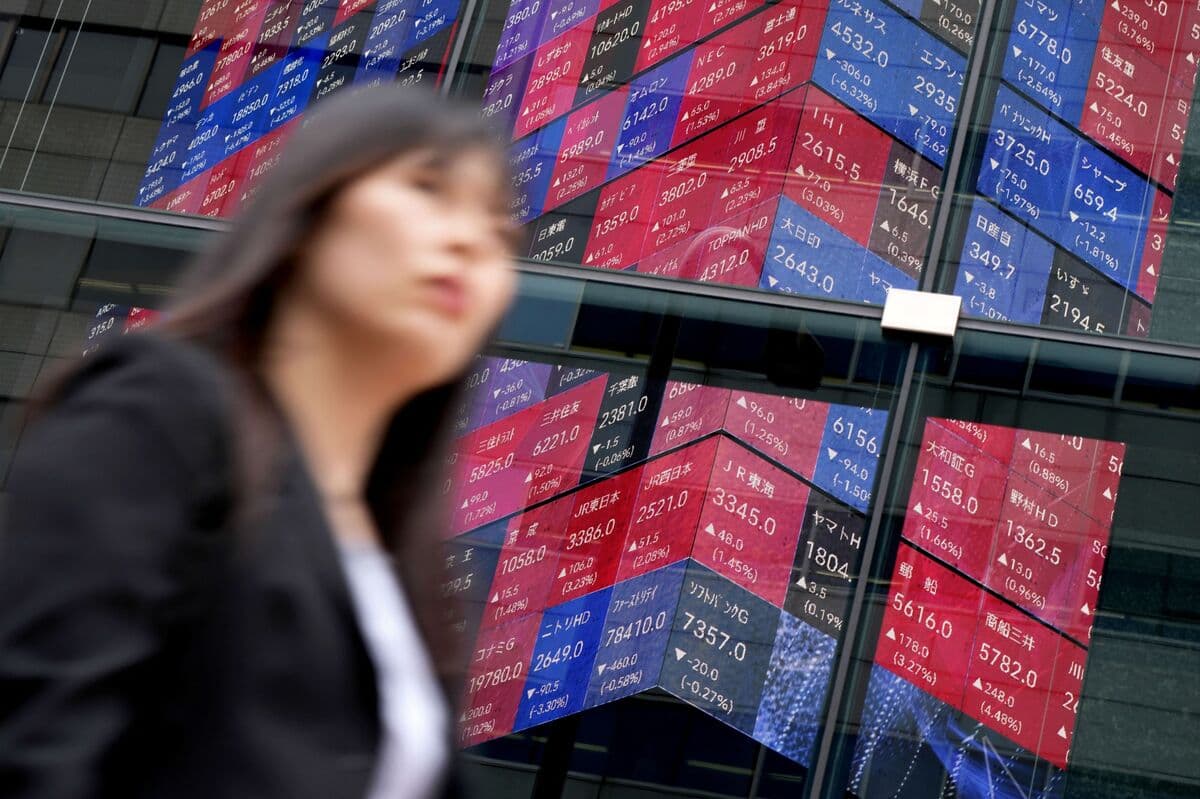
Japan and Korean Stocks Surge as Hormuz Reopening Deal Sparks Market Rally
Asian financial markets erupted with optimism after the United States and Iran announced an agreement to reopen the Strait of Hormuz, one of the world's most strategically critical waterways. Japanese stocks climbed to record highs while South Korean shares staged a significant rally, reflecting how deeply this geopolitical development resonates across the region's economies. For investors and supply chain managers alike, the news represents a potential turning point after months of uncertainty that had weighed heavily on Asian trade flows and energy markets.
What the US-Iran Deal Means for Global Markets
The announcement that the United States and Iran will sign a deal to reopen the Strait of Hormuz sent immediate shockwaves of relief through global financial markets. The strait, which connects the Persian Gulf to the Gulf of Oman, serves as the passage for roughly 20 percent of the world's traded oil and a significant portion of liquefied natural gas shipments. Any disruption to this corridor carries outsized consequences for energy-importing nations — and few regions feel that exposure more acutely than East Asia.
Japan and South Korea both rank among the world's largest importers of crude oil, with the vast majority of their energy supplies transiting through the Strait of Hormuz. When threats to that passage intensify, the downstream effects on manufacturing costs, inflation, and corporate earnings are swift and severe. The prospect of a formal agreement to restore safe navigation through the strait therefore carries enormous economic weight for both nations.
Market participants responded decisively. The Nikkei index surged toward record territory, driven by gains in energy-intensive industries such as manufacturing, chemicals, and transportation. South Korea's KOSPI index also posted strong advances, with exporters and industrial conglomerates leading the charge. Currency markets similarly reflected the improved sentiment, with the Japanese yen and South Korean won both showing signs of stabilization against the US dollar.
Why the Strait of Hormuz Matters So Much to Asian Supply Chains
To understand the magnitude of this market reaction, it is essential to appreciate just how central the Strait of Hormuz is to Asian economic life. Unlike European nations that can diversify their energy sourcing more easily, Japan and South Korea have extremely limited domestic energy resources. They are structurally dependent on Middle Eastern oil and gas, making the security of shipping lanes through the Persian Gulf a matter of national economic importance.
Beyond energy, the strait's reopening carries implications for broader supply chain stability across Asia. Elevated shipping insurance premiums, rerouting costs, and port congestion had been cascading through regional logistics networks, pushing up input costs for manufacturers from Tokyo to Seoul to Taipei. A restored Hormuz corridor would reduce freight costs, improve delivery timelines, and allow businesses to rebuild inventory buffers that had been depleted during months of disruption.
- Energy security: Japan and South Korea import over 80 percent of their crude oil from Middle Eastern producers, most of which passes through the Strait of Hormuz.
- Freight economics: Rerouting tankers around the Cape of Good Hope adds weeks to delivery times and significantly increases shipping costs, squeezing corporate margins.
- Inflation pressures: Higher energy import costs translate directly into elevated consumer prices, complicating monetary policy decisions for both the Bank of Japan and the Bank of Korea.
- Manufacturing competitiveness: Japan and South Korea's export-oriented economies depend on cost-competitive production, which is undermined when energy and logistics expenses surge.
Stock Market Reaction: A Closer Look at the Gains
The stock market rallies in Japan and South Korea were broad-based but concentrated in sectors with the most direct exposure to energy costs and global trade. In Japan, trading houses, shipping companies, and petrochemical firms posted some of the largest single-session gains. Automobile manufacturers and electronics exporters — industries that rely on complex, globally integrated supply chains — also advanced meaningfully as investors recalibrated their earnings outlook upward.
In South Korea, the rally was similarly widespread. The country's major steel producers and shipbuilders, which are heavy consumers of energy and raw materials, saw their valuations re-rate higher. Technology giants with global supply chain footprints also benefited, as reduced logistics disruption supported more reliable production and export schedules. The semiconductor sector, a cornerstone of Korea's export economy, attracted particular investor attention given its sensitivity to stable and affordable input supplies.
Geopolitical Context: Why This Deal Is Significant
The US-Iran agreement to reopen the Strait of Hormuz arrives against a backdrop of prolonged geopolitical tension that had kept energy markets on edge. Diplomatic progress of this nature is relatively rare, and market observers were quick to note that the deal, if implemented successfully, could mark a meaningful de-escalation in one of the world's most persistently volatile regions.
Analysts cautioned that execution risk remains, as agreements of this nature require sustained diplomatic follow-through and verification mechanisms. Nevertheless, even the announcement itself was sufficient to shift market sentiment materially, underscoring how sensitive Asian financial markets are to developments in the Persian Gulf and how much pent-up optimism had been waiting for a positive catalyst.
What Investors Should Watch Next
While the initial market reaction has been enthusiastic, investors tracking Japanese and Korean equities will be closely monitoring several key developments in the coming weeks. The formal signing of the US-Iran agreement and the timeline for actual shipping lane reopening will be critical milestones. Oil price movements in response to restored supply flow confidence will also be closely watched, as declining energy import costs would directly improve corporate earnings forecasts across both economies.
Central bank commentary from the Bank of Japan and the Bank of Korea may also shift in tone if easing energy inflation reduces pressure to maintain restrictive monetary stances. For equity investors, a combination of lower input costs, improved supply chain reliability, and potentially looser financial conditions would represent a powerfully supportive backdrop for continued market gains.
The Strait of Hormuz reopening deal has handed Asian markets a significant gift. Whether it translates into sustained equity upside will depend on geopolitical follow-through — but for now, the optimism driving Japan and Korean stocks higher reflects a very real and very material improvement in the economic outlook for the region.