
Mexico City Traffic Was Already a Nightmare — Then the World Cup Arrived
For millions of chilangos — the colloquial term for residents of Mexico City — navigating the capital's streets has never been easy. But in the summer of 2026, a perfect storm of events has turned an already grueling daily commute into something approaching gridlock. The 2026 FIFA World Cup, ongoing teacher union protests, and the annual rainy season have converged to create traffic conditions that experts and commuters alike are calling extraordinary. Understanding the scope of this crisis requires looking at both the long-standing data and the new pressures piling on top of it.
Mexico City Is Officially the Most Congested City on the Planet
Even before a single World Cup match was played, Mexico City held a grim distinction. According to the TomTom Traffic Index 2025, one of the most widely cited global benchmarks for urban mobility, the Mexican capital recorded a congestion level of 52% — the highest of any city analyzed in the report. That number means drivers routinely spend more than half again as long reaching their destinations compared to what a free-flowing road would require.
The human cost of that statistic is staggering. When you add up the minutes lost each day, each week, and each month, the average Mexico City driver loses more than six full days per year simply sitting in traffic. That is time not spent with family, not spent working, and not spent on the activities that make city life worth living. And that was the baseline — before the World Cup added a new layer of disruption.
TomTom Traffic data also reveals that covering just 10 kilometers in Mexico City takes an average of 31 minutes and 53 seconds. To put that in perspective, a healthy adult can walk that same distance in under two hours. For drivers, the gap between expectation and reality on the city's roads is one of the widest anywhere in the world.
How the 2026 World Cup Is Adding Pressure to an Already Strained System
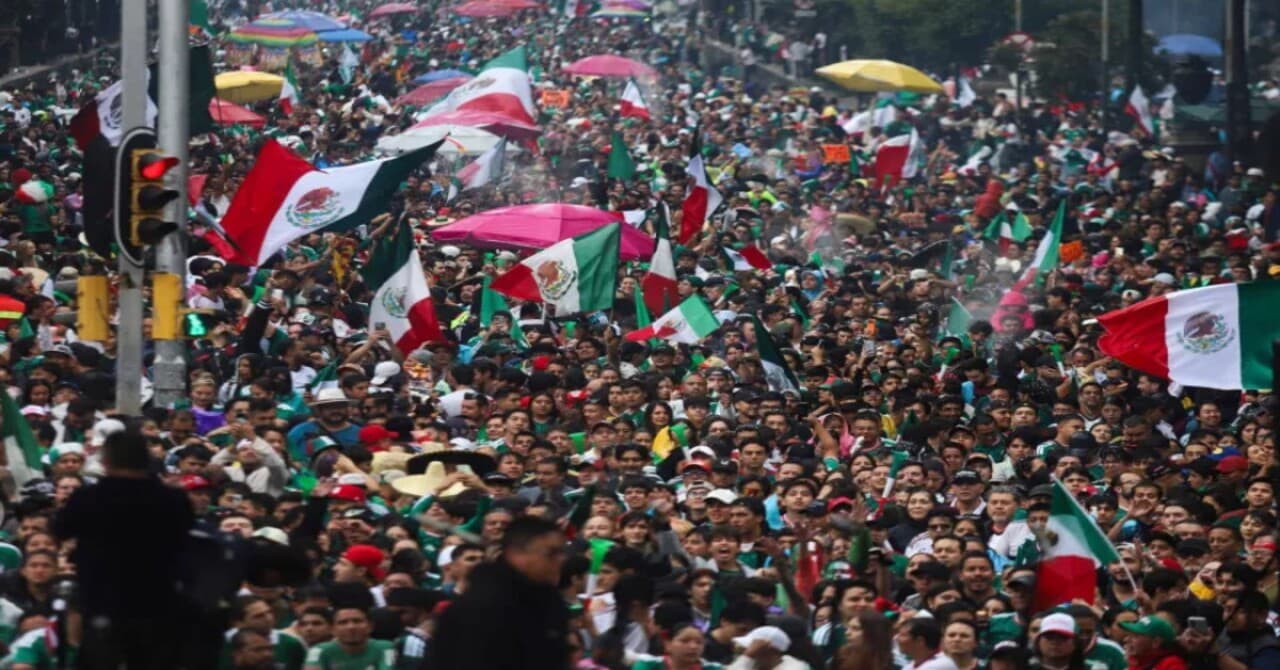
Mexico City is one of the host cities for the 2026 FIFA World Cup, and with that honor comes significant logistical complexity. Temporary road closures around fan zones, celebration areas, and official event spaces have forced thousands of drivers to reroute their daily trips. The FIFA Fan Festival, which has drawn larger-than-expected crowds of Mexican fans celebrating the national team's victories, has been a particular focal point for congestion. Roads near these venues are periodically closed or heavily restricted, pushing traffic onto already overburdened arterial streets.
Mexico's national team, El Tri, has captured the imagination of the country with strong performances in the tournament, and the public celebrations that follow each victory add spontaneous, unpredictable surges of people and vehicles into the city center. While these moments of national joy are entirely understandable, their impact on mobility is real and measurable.
Three Factors Colliding at Once: World Cup, Protests, and Rain
What makes the current situation especially difficult is that the World Cup disruptions are not happening in isolation. At the same time, two other significant factors are compounding the problem.
- CNTE Teacher Protests: The Coordinadora Nacional de Trabajadores de la Educación (CNTE), the national teachers' union coordination body, has been staging demonstrations at multiple points across the city. These gatherings regularly block key thoroughfares, sometimes for hours at a time, and their timing is often unpredictable, making it impossible for commuters to plan effective detours in advance.
- Rainy Season Flooding: Mexico City's rainy season, which runs roughly from May through October, brings heavy afternoon and evening downpours that routinely overwhelm the city's drainage infrastructure. Flooding and waterlogged roadways on heavily trafficked avenues create sudden bottlenecks that can add thirty minutes or more to trips that are already running long.
When these three forces — World Cup road closures, protest-related blockages, and weather-driven flooding — overlap on the same afternoon, the results can be severe. Commuters have reported journeys of two to three hours for distances that would normally take forty-five minutes.
What This Means for Daily Life in the Capital
The traffic crisis is not merely an inconvenience. It has measurable effects on air quality, mental health, economic productivity, and quality of life. Research consistently shows that long commutes are associated with higher stress levels, reduced sleep, and lower overall wellbeing. For a city of more than 20 million people in the greater metropolitan area, the aggregate cost of all those lost hours and elevated stress levels is enormous.
Businesses that depend on deliveries and logistics are also feeling the strain. Supply chains within the city become less reliable when travel times are unpredictable, and the knock-on effects ripple through the broader economy. Restaurants, retail outlets, and service providers all absorb some of the cost when goods and workers cannot move efficiently.
Can Mexico City Adapt? Short-Term Strategies and Long-Term Questions
City authorities have encouraged residents to use the Metro and other public transit options, particularly on days with known road closures. Staggered working hours and remote work arrangements, which became more common during the pandemic, have been informally recommended again as a way of spreading peak-hour demand more evenly across the day.
Longer term, urban planners and mobility experts have repeatedly called for sustained investment in public transportation infrastructure, smarter traffic signal systems, and better integration between different transit modes. The World Cup will end, the rainy season will pass, and the protests may subside — but the underlying congestion problem that earned Mexico City its number-one ranking in the TomTom index will remain unless structural changes are made.
The Bottom Line
Mexico City's traffic crisis in the summer of 2026 is a vivid illustration of what happens when a city already operating at the edge of its capacity absorbs a major global event alongside other simultaneous pressures. For residents losing more than six days a year to gridlock — and counting — the World Cup may be a source of pride and celebration, but it is also a reminder of how much work remains to be done to make one of the world's great cities truly livable for the people who call it home.