
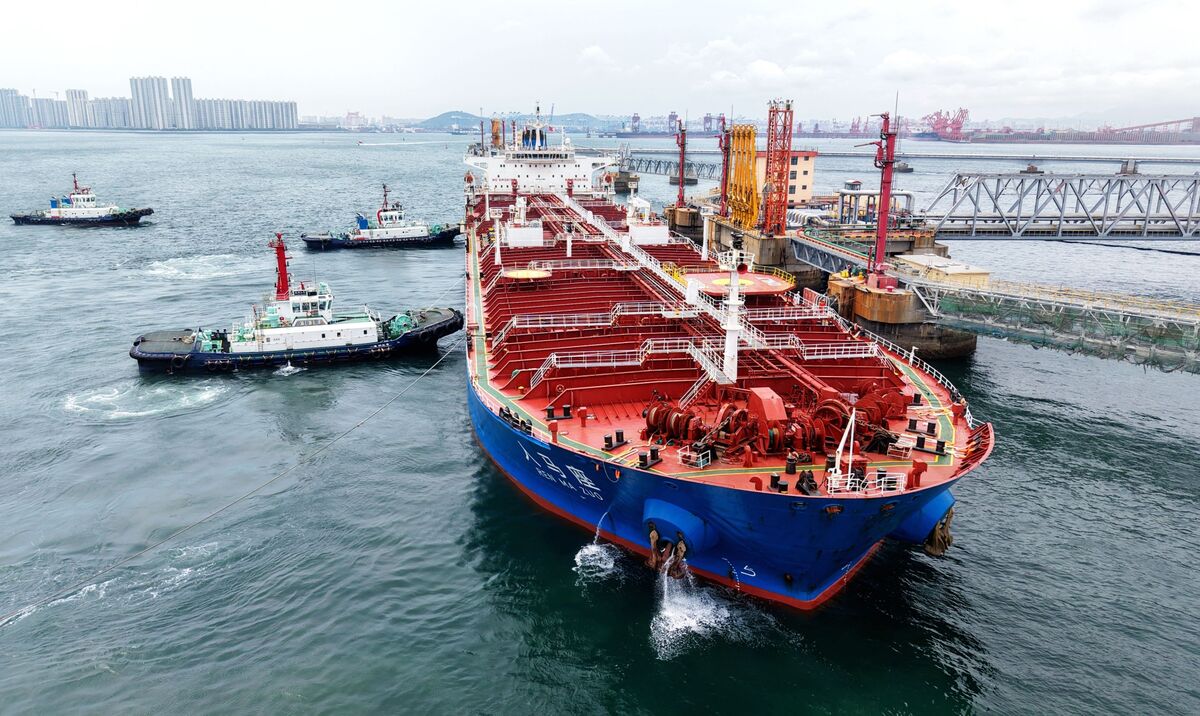
Mideast Oil Boost Gathers Pace as Qatar Sells Crude to Asia
The global energy landscape is shifting once again as Middle Eastern oil producers accelerate their crude output and export activity. Qatar has now joined other Persian Gulf nations in reviving crude oil sales, marking a notable uptick in regional production momentum. At the heart of this development lies a combination of geopolitical progress — most notably, advancing peace talks between the United States and Iran — and a strategic push by Gulf states to reassert their presence in key Asian markets. For energy traders, policymakers, and consumers alike, understanding what is driving this Mideast oil boost is essential to anticipating where global crude prices and supply chains are headed next.
Qatar Steps Back Into the Crude Export Arena
Qatar, long recognized as a global liquefied natural gas (LNG) powerhouse, has historically played a more modest role in crude oil markets compared to its neighbors Saudi Arabia and the UAE. That dynamic is now changing. Qatar's return to more active crude oil sales — particularly targeting Asian buyers — signals that Doha is looking to diversify its energy revenue streams and capitalize on the current window of opportunity presented by evolving regional geopolitics.
Asian markets, especially China, India, South Korea, and Japan, have long been the primary destination for Persian Gulf crude. These economies are energy-hungry and price-sensitive, making them ideal targets for Gulf producers looking to move larger volumes. Qatar's re-entry into this competitive export space is not happening in isolation — it reflects a broader coordinated effort across the Gulf Cooperation Council (GCC) to ramp up crude sales while conditions are favorable.
Why Persian Gulf Producers Are Cranking Up Activity Now
The timing of this Mideast oil boost is no coincidence. Several converging factors are pushing Gulf producers to increase output and exports at this particular moment.
US-Iran Peace Talks and Their Market Implications
Perhaps the most significant geopolitical driver is the ongoing diplomatic engagement between the United States and Iran. As peace talks progress, markets are beginning to price in the possibility that Iranian crude — which has been heavily constrained by sanctions — could eventually return to international markets in greater volumes. This prospect is prompting existing Gulf producers to move quickly, seeking to solidify long-term supply contracts with Asian refiners before a potential Iranian oil resurgence reshapes the competitive landscape.
In other words, Gulf nations like Qatar, Saudi Arabia, and the UAE are acting strategically: locking in market share now, before Iranian barrels potentially flood the market and compress margins. This "front-running" behavior is a classic energy market response to anticipated supply shifts and is a key reason why regional crude activity is gathering pace at this juncture.
OPEC+ Production Strategy and Quota Adjustments
The broader OPEC+ alliance has also been navigating a careful balancing act between supporting oil prices and gradually unwinding earlier production cuts. Recent decisions to increase output quotas have given Gulf producers more headroom to sell additional barrels on the open market. Qatar's renewed crude export push fits neatly within this framework, as member states look to optimize revenue without destabilizing prices.
Strong Asian Demand Providing a Reliable Outlet
Asian demand for crude oil remains robust despite global economic uncertainties. China's refinery throughput has stayed elevated, India's energy appetite continues to grow alongside its expanding economy, and Southeast Asian nations are still heavily dependent on imported crude. This sustained demand appetite makes Asia the natural destination for any incremental Middle Eastern barrels — and Gulf producers are well aware of this structural advantage.
What This Means for Global Oil Markets
The acceleration of Mideast crude sales carries meaningful implications for global oil markets, touching everything from benchmark prices to shipping routes and refinery margins.
- Downward pressure on Asian crude differentials: As more Gulf barrels compete for the same pool of Asian buyers, the price premiums that some producers have enjoyed may narrow. Asian refiners could benefit from more competitive pricing as supply options expand.
- Increased tanker activity in the Persian Gulf: More crude exports naturally mean higher vessel utilization along key shipping corridors from the Gulf to Asian ports. Shipping rates on these routes may see upward movement as demand for tankers rises.
- Market sensitivity to Iran talks: Any breakthrough — or breakdown — in US-Iran negotiations could trigger sharp market reactions. Traders will be watching diplomatic developments closely, knowing that the re-entry of significant Iranian supply would be a bearish event for prices.
- Benchmark price volatility: With multiple supply variables in play simultaneously — OPEC+ quotas, Gulf export volumes, and potential Iranian supply — Brent and WTI crude prices could experience heightened volatility in the coming months.
Qatar's Broader Energy Ambitions
It is worth situating Qatar's crude oil push within its wider energy strategy. The country has already committed to a massive expansion of its LNG production capacity through its North Field development project, which will make it one of the world's largest LNG exporters for decades to come. Adding more active crude oil sales to Asia diversifies Qatar's export portfolio and reduces its reliance on any single energy commodity or market.
Qatar's sovereign wealth fund and state energy company QatarEnergy have both demonstrated a pattern of strategic, long-horizon thinking. The current move to boost crude sales is consistent with this approach — it is opportunistic in the short term but aligned with longer-term goals of cementing Qatar's role as a central pillar of Asian energy security.
Looking Ahead: Key Factors to Watch
For anyone monitoring global energy markets, several developments will be critical in determining how this Mideast oil boost evolves over the coming months. The pace and outcome of US-Iran diplomatic talks will be the single most important variable. A formal agreement lifting sanctions on Iranian oil would fundamentally reshape the competitive dynamics currently driving Gulf producers to accelerate their sales. Conversely, a collapse in talks could entrench the current status quo and sustain the momentum of Qatar and its neighbors.
Additionally, macroeconomic signals from China — the world's largest crude importer — will heavily influence how much of this additional Gulf supply can be absorbed without pushing prices lower than producers would prefer. Any slowdown in Chinese industrial activity or refinery demand could complicate the calculus for Gulf exporters banking on Asian appetite.
In the near term, however, the Mideast oil boost appears to have genuine staying power. With Qatar firmly joining its Gulf neighbors in reviving crude export activity, and with geopolitical and market incentives aligned to support higher volumes, the Persian Gulf's influence over global energy markets is once again moving to the foreground. Energy watchers would do well to keep their eyes firmly on this unfolding story.