
MPV Freight Rates: Why a Minor Dip Masks a Much Bigger Story
At first glance, the multi-purpose vessel (MPV) market appears to be experiencing only a modest softening in freight rates — a minor dip that might suggest broad, stable conditions across the global shipping landscape. But scratch beneath the surface and a far more complex picture emerges. Day rates out of Southeast Asia and China have remained remarkably firm, while charter fees originating from Europe, the United States, and the Mediterranean have told a very different story. This divergence is not a statistical blip. It is a structural signal — one that points to deep and widening trade lane imbalances reshaping the MPV segment.
Understanding the MPV Market and Why It Matters
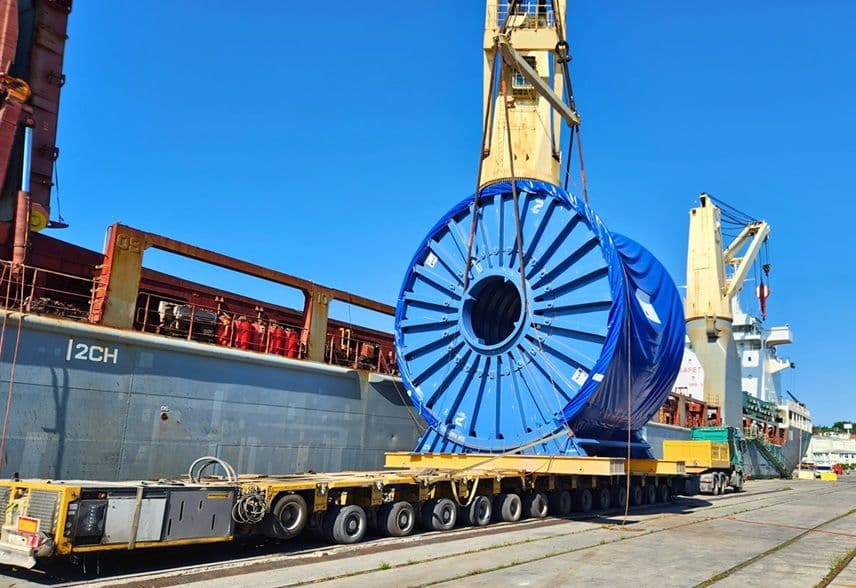
Multi-purpose vessels are the workhorses of the global breakbulk and project cargo sector. Unlike container ships or bulk carriers, MPVs are designed to carry a wide variety of cargo types — from heavy industrial machinery and wind energy components to steel coils, pipes, and oversized project equipment. This flexibility makes them indispensable across industries such as construction, energy, manufacturing, and infrastructure development.
Because MPVs operate across highly varied trade routes and serve project-driven demand, their freight rates are sensitive not just to overall shipping volumes but to the geographic distribution of cargo flows. When cargo generation is concentrated in one part of the world and demand for vessel positioning is uneven, rate disparities between trade lanes can grow significant — and that is precisely what is happening today.
Asia Remains the Engine of MPV Demand
Southeast Asia and China continue to drive robust MPV charter activity. Day rates out of this region have held firm, underpinned by several structural demand drivers that show little sign of fading. China's ongoing role as the world's dominant exporter of heavy industrial goods, project cargo, and manufactured equipment continues to generate consistent vessel demand. Meanwhile, Southeast Asia's rapidly expanding infrastructure pipeline — spanning power generation, transport, and industrial development — is producing steady outbound cargo flows that keep MPVs occupied and day rates supported.
The energy transition is also playing a meaningful role. The export of wind turbine components, solar infrastructure equipment, and related heavy project cargo from Chinese manufacturers to global markets has added a new and growing layer of MPV demand that did not exist at the same scale even five years ago. These cargoes are frequently oversized or project-specific, making MPVs and heavy-lift vessels the only viable shipping solution.
In short, Asia is generating cargo. Vessels positioned in this region benefit from strong utilization, limiting downward pressure on day rates even when the broader headline rate index suggests a softening trend.
Europe, the US, and the Mediterranean Tell a Different Story
While Asia holds firm, the situation for MPV operators repositioning ships or seeking charters out of Europe, the United States, or the Mediterranean is considerably more challenging. Charter fees from these origins have come under pressure, reflecting a structural imbalance in cargo generation relative to vessel availability.
Several factors explain this divergence. Western markets, while still significant consumers of project cargo services for inbound deliveries, generate comparatively less outbound heavy and breakbulk cargo than their Asian counterparts. This creates a pronounced directional imbalance: vessels are drawn into Asia by strong eastbound or intra-Asian demand, but finding remunerative employment for the return or outbound leg from Western origins is more difficult.
Additionally, the slowdown in certain European industrial sectors, combined with persistently cautious capital expenditure in energy and infrastructure projects across parts of the Western world, has reduced the volume of outbound project cargo available to fill MPV holds. The Mediterranean, while benefiting from proximity to Middle Eastern and African project activity, has not been immune to this broader softening in Western-origin charter demand.
Repositioning Costs and Rate Arbitrage Pressures
Trade lane imbalances carry direct financial consequences for vessel operators. When rates are strong in Asia but weak in Europe or the Americas, operators face difficult decisions about how and where to position their fleets. Repositioning a vessel — sailing it empty or in ballast from a weak-rate region to a strong-rate one — is costly and time-consuming, eroding the economics of chasing better-paying cargo in distant markets.
This dynamic can create a self-reinforcing feedback loop. Vessels concentrate in high-demand regions like Southeast Asia and China, tightening supply there and sustaining rates. Meanwhile, availability in weaker origins like Europe or the US East Coast increases, further softening already-challenged charter fees. The aggregate rate index may show only a minor overall dip, but this headline number obscures the very different realities operators face depending on where their ships happen to be positioned.
What the Imbalance Means for Shippers and Cargo Owners
For shippers and cargo owners, understanding these trade lane dynamics is increasingly important for effective freight procurement. Those moving cargo out of Asia may find competitive MPV availability harder to secure without forward planning, as vessel demand continues to outpace supply in key load ports. Conversely, exporters operating from European or US origins may find more negotiating room on charter fees in the current environment — though this window could narrow if cargo generation picks up or if operators reduce vessel positioning in the region.
- Asian exporters should plan vessel bookings well in advance and expect rates to remain supported, particularly for heavy project and breakbulk cargo.
- European and US cargo owners may benefit from current rate softness but should monitor market signals closely, as imbalances can shift when infrastructure project pipelines accelerate.
- Project cargo managers across all regions should build trade lane rate volatility into their logistics planning and budget assumptions.
- Vessel operators must weigh repositioning costs carefully against the rate premium available in high-demand regions before making fleet positioning decisions.
Looking Ahead: Will the Imbalance Persist?
The structural factors underpinning Asia's rate resilience — China's export engine, the energy transition, Southeast Asia's infrastructure buildout — are not short-term phenomena. They represent multi-year demand tailwinds that are likely to keep MPV rates supported in the region for the foreseeable future. Meanwhile, a meaningful acceleration in Western-origin project cargo would be needed to close the gap with Asia-origin charter fees, and the near-term outlook for such a shift remains uncertain.
What is clear is that the headline narrative of a "minor dip" in MPV freight rates does not adequately capture the underlying market reality. Trade lane imbalances are widening, geographic rate divergences are significant, and operators, shippers, and freight managers who rely on aggregate indices alone risk misreading a market that is, in reality, anything but uniform. In the MPV sector, knowing where you are matters just as much as knowing what the average rate is — and right now, being in Asia makes all the difference.